Collecting Rebound Tolkien Books: From Fine Bindings to True Works of Art

An exploration of rebound Tolkien books, from simple leather bindings to highly elaborate artistic creations, and why they have become one of the most fascinating areas in Tolkien collecting.

Among the many areas of Tolkien collecting, rebound books occupy a unique and often deeply personal space. What may begin as a simple desire for a beautifully bound reading copy can, over time, develop into an appreciation for craftsmanship, artistry, and individuality.

Rebound Tolkien books range from elegant leather bindings to highly elaborate creations that transform a familiar text into a true work of art. Some are commissioned by collectors, others created by master binderies, and occasionally, exceptional pieces appear on the market.

You can explore available examples in the Tolkien Library rebound books section, where a selection of fine bindings and unique pieces is regularly offered.

Why collect rebound Tolkien books?

Collectors are drawn to rebound Tolkien books for reasons that differ from traditional book collecting. While first editions focus on originality and condition, rebound books emphasise craftsmanship, design, and artistic interpretation.

A well-executed rebinding can elevate a standard edition into something entirely new — a book that reflects both Tolkien’s work and the vision of the binder. Materials such as fine leather, gold tooling, hand-marbled endpapers, and custom slipcases all contribute to this transformation.

For some collectors, the appeal lies in owning a unique object. No two rebound books are exactly alike, and even bindings produced by the same bindery often differ in subtle but meaningful ways.

In this sense, collecting rebound Tolkien books is not only about the text, but also about the art of the book itself.

From simple leather bindings to elaborate works of art

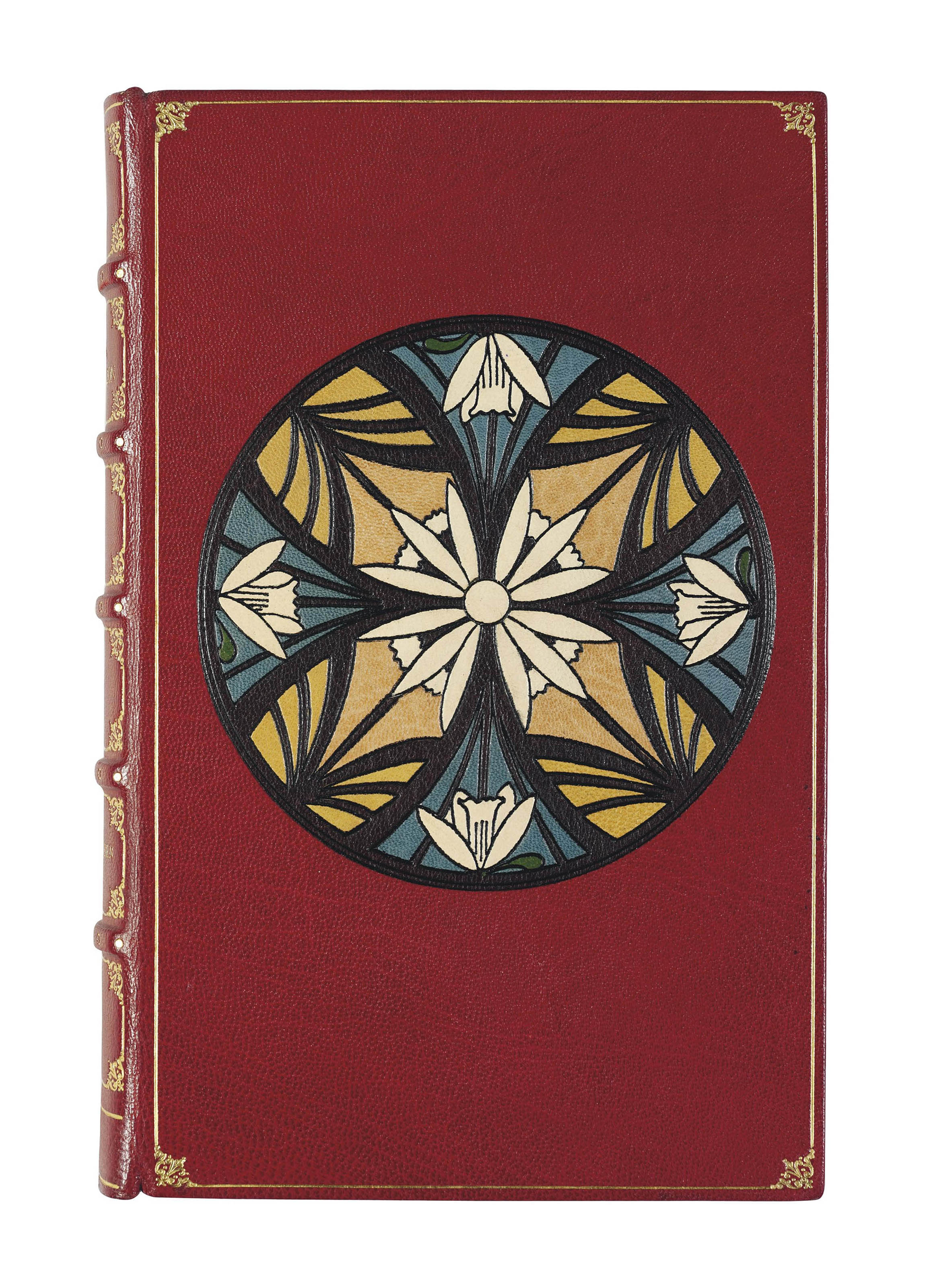
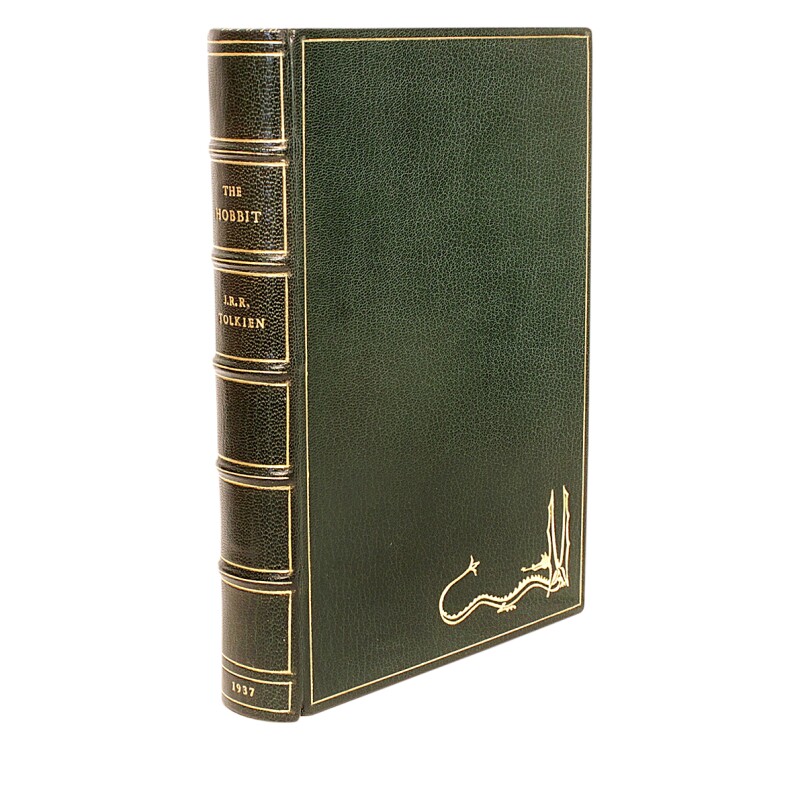
The world of rebound Tolkien books spans a wide spectrum. At one end are straightforward leather bindings — elegant, durable, and ideal for reading. These editions often retain a classic appearance while improving the quality and longevity of the original book.

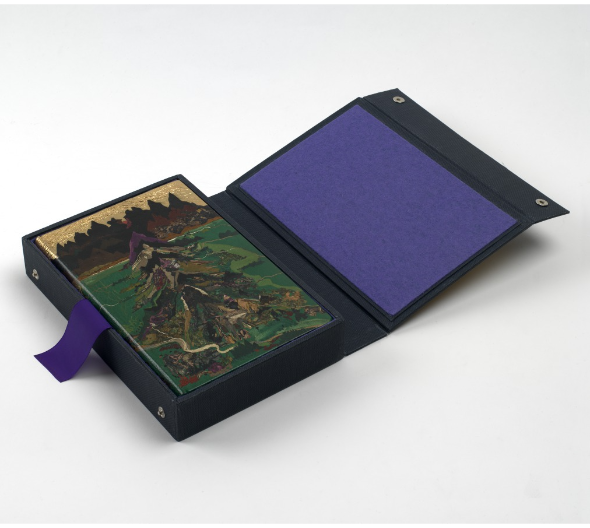
At the other end are highly elaborate bindings, where the book becomes a canvas. These pieces may feature intricate gold tooling, sculptural elements, hand-painted designs, or thematic bindings that reflect the story within. In such cases, the book is no longer just a volume on a shelf, but a carefully crafted artistic statement.

Many collectors begin with simpler bindings and gradually move towards more ambitious pieces, as their appreciation for the craft develops. This progression is part of what makes the field so engaging.

Binderies and the art of bookbinding

A key aspect of collecting rebound Tolkien books is the bindery itself. Around the world, numerous skilled binderies produce high-quality work, each with its own style, techniques, and level of craftsmanship.

Some binderies specialise in traditional fine bindings, adhering to classical methods and materials. Others take a more modern or artistic approach, experimenting with design, structure, and visual storytelling.

For collectors, understanding the reputation and style of a bindery can be just as important as the book being bound. Over time, certain binderies and individual binders become highly sought after, with their work recognised for its quality and originality.

Signed copies and unique combinations

Some rebound Tolkien books incorporate signed editions, adding another layer of desirability. A finely bound volume that includes a signature by J.R.R. Tolkien, Christopher Tolkien, or an associated artist can become a truly exceptional piece.

Rebinding does not automatically increase a book’s value. Its effect depends strongly on the quality and level of the binding, the underlying edition and the importance of its original condition. Some rebound copies are worth less than comparable copies in their original bindings, while exceptional work can command substantially higher prices. Like chess, bookbinding can be practised at very different levels. At its best, it combines literary significance with outstanding craftsmanship. These pieces are often created as bespoke commissions and rarely appear on the open market.

As a result, signed rebound copies occupy a special position within the collecting world, bridging the gap between traditional rare books and fine binding art.

A collector’s journey

Collecting rebound Tolkien books often follows a different path from other areas of collecting. Rather than pursuing a fixed checklist, collectors tend to develop their tastes over time, guided by personal preference, aesthetic appreciation, and opportunity.

Some focus on specific works, such as The Hobbit or The Lord of the Rings, while others build a collection around particular binderies or styles. In many cases, collectors commission bindings themselves, working directly with binders to create something unique.

This personal element makes rebound collecting particularly rewarding. Each piece tells not only Tolkien’s story, but also the story of its creation and the collector who chose it.

Rebinding and originality: a collector’s debate

Not all Tolkien collectors view rebinding in the same way. While some appreciate the craftsmanship and artistic possibilities of fine bindings, others prefer books to remain in their original state.

This is particularly true for historically important editions. A first edition, a signed copy, or a book with a known provenance carries its own history — a history that can be altered or even lost when the book is rebound, no matter how well the work is executed.

There have been cases where high-quality Tolkien books, including signed or association copies, were rebound to an exceptional standard. While technically impressive, such decisions are sometimes viewed critically within the collecting community, as the original state of the book is no longer preserved.

For this reason, many collectors draw a clear distinction between books intended for rebinding and those that should remain untouched. A modern reading copy or a later edition may be an excellent candidate for a fine binding, while a rare or historically significant copy is often best preserved as it is.

Understanding this balance is an important part of collecting rebound Tolkien books. It is not only about the beauty of the final result, but also about respect for the book’s history and context.
From bookbinding to art: the influence of Philip Smith

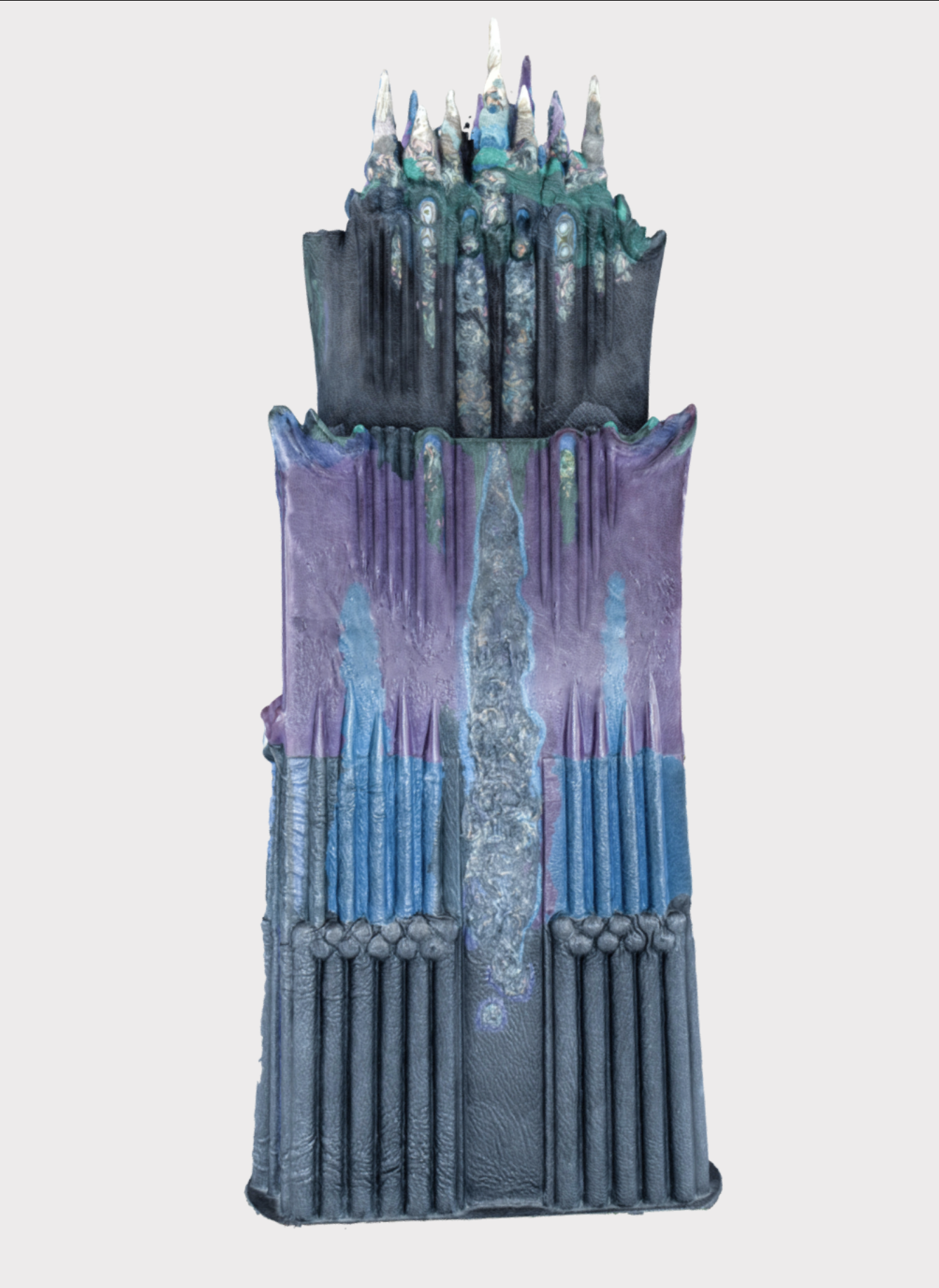
At the highest level, bookbinding moves beyond craftsmanship into the realm of art. One of the most influential figures in this field is Philip Smith, whose work redefined what a bound book could become.

Rather than treating the binding as a protective cover, Smith approached it as an extension of the text itself. His bindings often incorporate symbolic elements, sculptural structures, and deeply considered design concepts that reflect the themes of the work within.

In the context of Tolkien collecting, this approach has inspired a number of exceptional bindings where The Silmarillion, The Lord of the Rings, or The Hobbit are transformed into unique artistic creations.

These pieces are not simply books to be read or displayed on a shelf. They are closer to individual works of art — objects that can stand alone, be exhibited, and even form part of a larger visual collection.

For collectors, this opens an entirely different dimension. A rebound Tolkien book can become the centrepiece of a collection, not because of its rarity alone, but because of the artistic vision it represents.

Notable rebound Tolkien books

Below is a selection of remarkable rebound Tolkien books, illustrating the range from refined classical bindings to highly artistic interpretations. Many of these examples demonstrate how the craft of bookbinding can transform familiar texts into extraordinary objects.

The Lord of the Rings – Fine Leather Binding

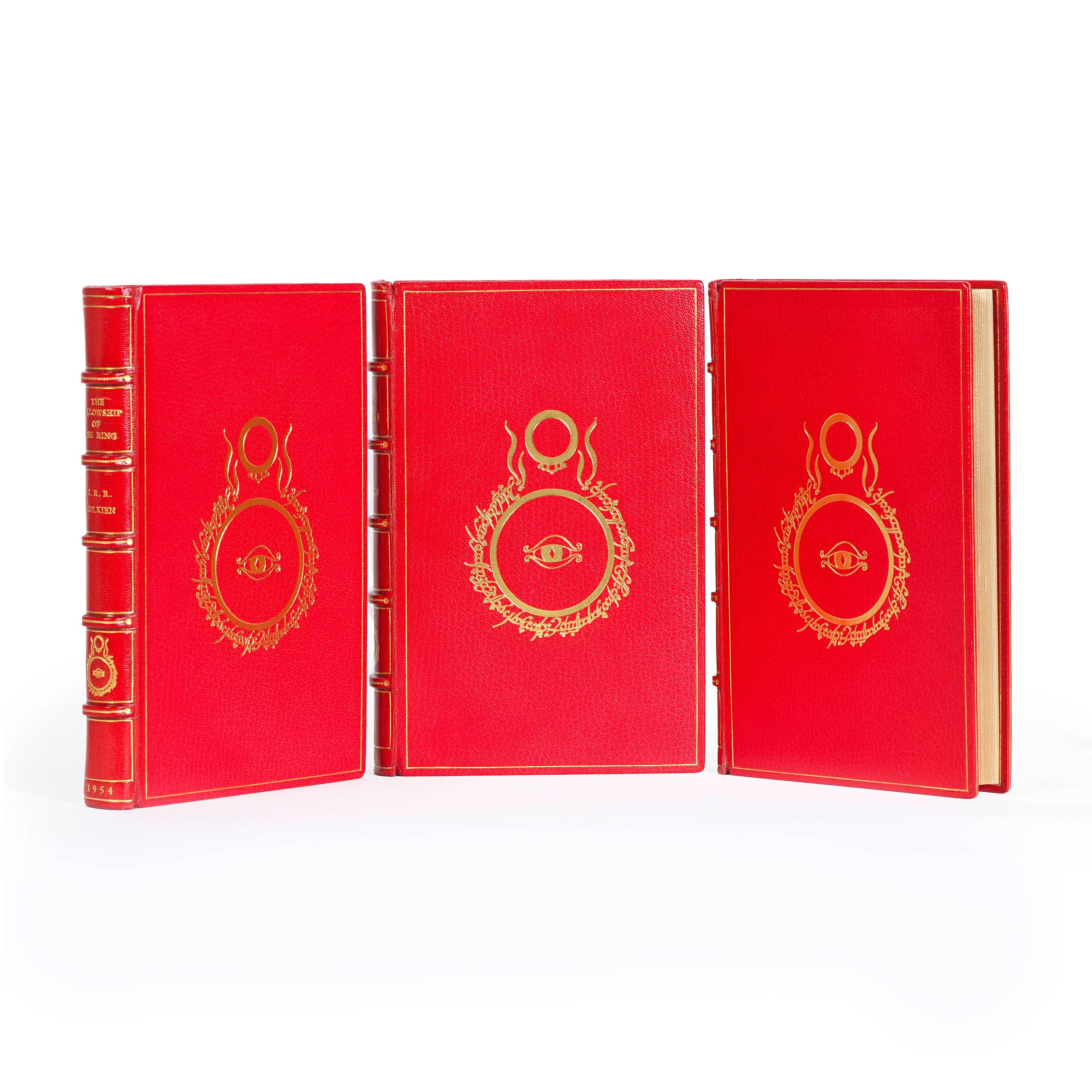
This finely bound edition of The Lord of the Rings demonstrates the elegance of traditional bookbinding. Using high-quality leather, gold tooling, and carefully selected materials, the binder has created a volume that enhances the reading experience while maintaining a classic aesthetic.

Such bindings are often commissioned by collectors seeking a durable and beautiful edition for regular use, combining practicality with craftsmanship.

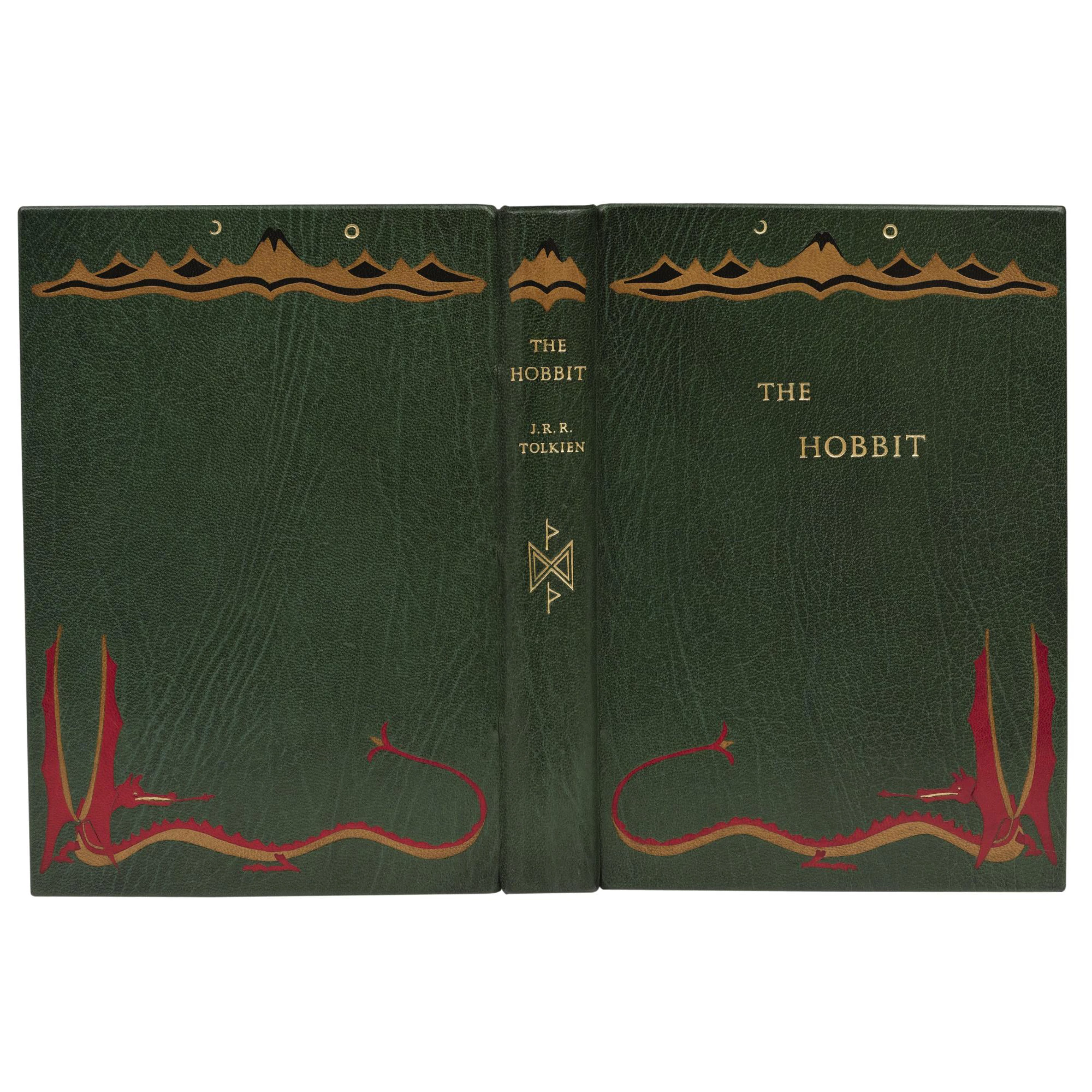
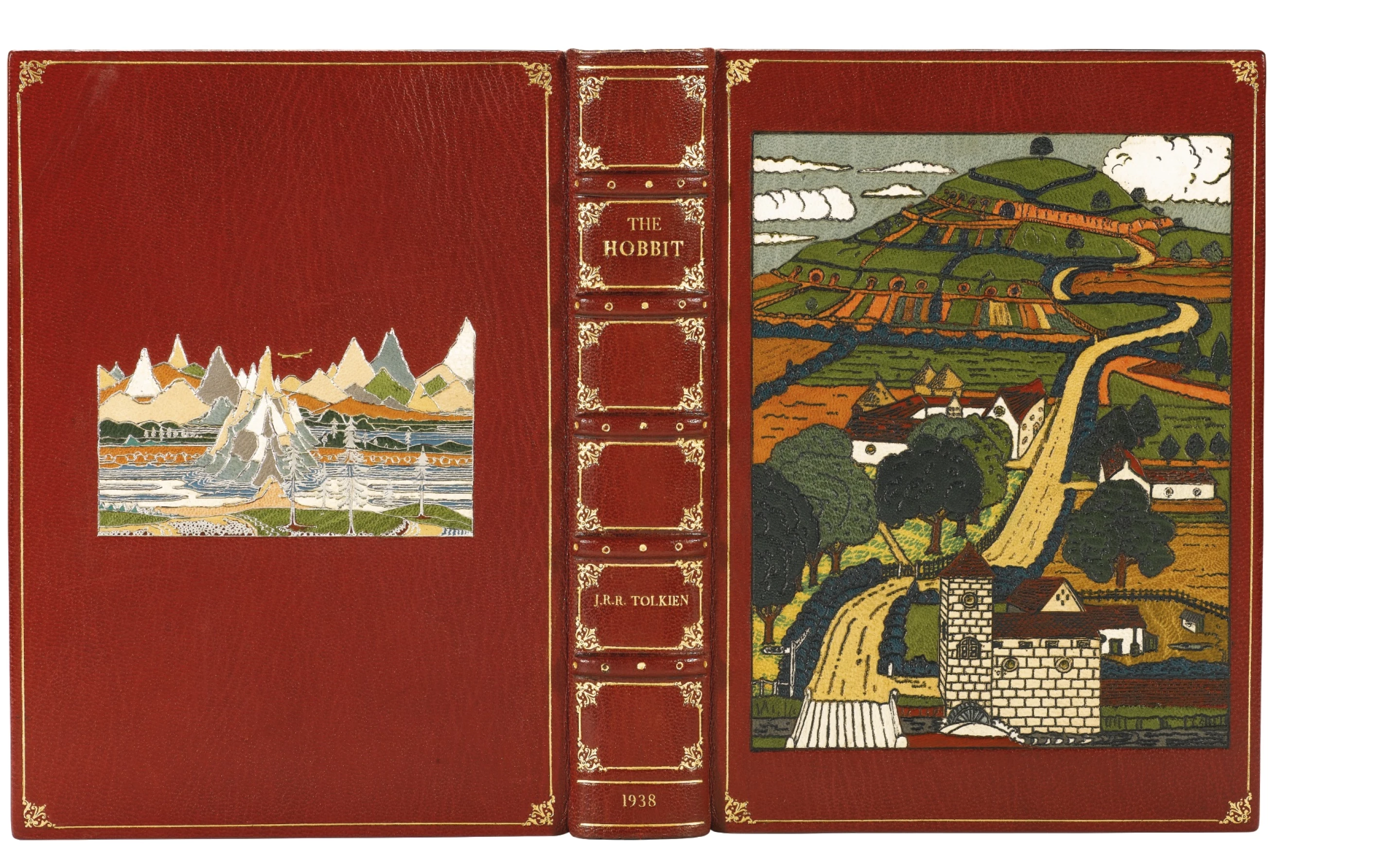
The Hobbit – Artistic Binding

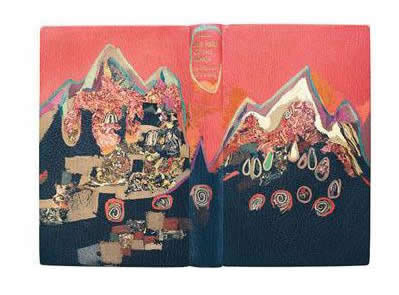
In contrast to traditional bindings, this artistic interpretation of The Hobbit transforms the book into a visual narrative. Through the use of colour, texture, and design, the binding reflects key themes and imagery from Tolkien’s story.

These types of bindings blur the line between book and artwork, making them particularly appealing to collectors interested in the artistic side of Tolkien’s legacy.

The Silmarillion – Fine Binding

This rebound edition of The Silmarillion highlights the depth and complexity of Tolkien’s mythology through a carefully executed design. The use of rich materials and symbolic decoration creates a binding that complements the tone of the text.

Bindings of this kind are often produced in very limited numbers, further enhancing their appeal among collectors.

Beyond the bookshelf: displaying rebound Tolkien books

As rebound Tolkien books become more elaborate, the way they are displayed also changes. While traditional books are stored on shelves, highly artistic bindings are often presented more like artworks.

Some collectors create dedicated displays or “art walls”, where selected bindings are shown facing outward. This allows the full design of the binding — including tooling, structure, and materials — to be appreciated in the same way as a painting or sculpture.

A finely bound copy of The Silmarillion, for example, can serve as a focal point within such a display. With its depth of mythology and symbolic richness, it lends itself particularly well to artistic interpretation.

This approach reflects a shift in how rebound books are perceived. They are no longer only part of a library, but part of a curated visual collection — where literature, craftsmanship, and art come together.

The Lord of the Rings – Artistic Bindings (Part 1)

This first part of the series on The Lord of the Rings bindings explores a range of fine and artistic bindings that reinterpret Tolkien’s most famous work.

From traditional leather bindings with intricate gold tooling to more expressive designs, these examples highlight how binders translate the scale and depth of Middle-earth into physical form. Each binding reflects a different vision, demonstrating the versatility of Tolkien’s work as a source of artistic inspiration.

The Lord of the Rings – Artistic Bindings (Part 2)

The second part of this series continues the exploration with even more elaborate and imaginative bindings.

These works often move beyond traditional structures, incorporating bold design elements, sculptural techniques, and symbolic motifs. Together, they demonstrate how The Lord of the Rings continues to inspire some of the most ambitious work in modern bookbinding.

The Hobbit – Creative Interpretations in Binding

Bindings of The Hobbit often lend themselves particularly well to creative and playful interpretations.

As Tolkien’s most accessible and widely read work, The Hobbit inspires a wide range of artistic responses. Some bindings emphasise its fairy-tale origins, while others explore darker or more symbolic elements of the story. The result is a rich variety of styles that reflect both the text and the imagination of the binder.

The Silmarillion – Binding the mythology

Bindings of The Silmarillion often reach a different level of conceptual depth.

Given the complexity and mythological nature of the text, binders frequently approach The Silmarillion with a more symbolic and thematic mindset. Designs may draw on cosmology, legend, and the deeper structure of Tolkien’s world, resulting in bindings that feel almost monumental in character.

These examples illustrate how bookbinding can engage directly with Tolkien’s mythology, transforming the book into a visual and tactile interpretation of the legendarium itself.

Final thoughts on collecting rebound Tolkien books

Collecting rebound Tolkien books offers a unique perspective on Tolkien’s work, combining literature, craftsmanship, and artistic expression. Whether starting with a simple leather binding or exploring more elaborate creations, the field provides endless opportunities for discovery.

As appreciation for fine binding continues to grow, so too does the recognition of these books as collectible objects in their own right. For collectors, they represent not just a way of owning Tolkien’s works, but a way of reimagining them.

You can browse available examples in the Tolkien Library rebound books section or get in touch if you are looking for a specific piece or considering a custom binding.