Collecting The Hobbit Translations: A Guide for Tolkien Collectors
An introduction to collecting international editions of The Hobbit, exploring their diversity, visual appeal, and why translation collecting has become one of the most popular areas in Tolkien collecting.
Within Tolkien collecting, one area continues to attract both new and experienced collectors alike: translations of The Hobbit. While collectors can, of course, focus on translations of The Lord of the Rings, The Silmarillion, or Tolkien’s other works, it is The Hobbit that most often becomes the starting point.
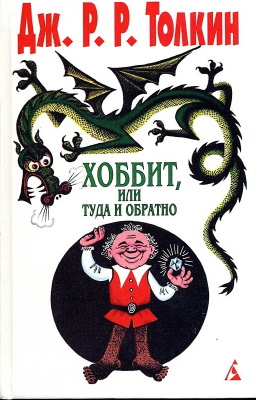
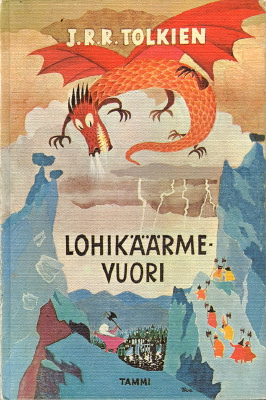
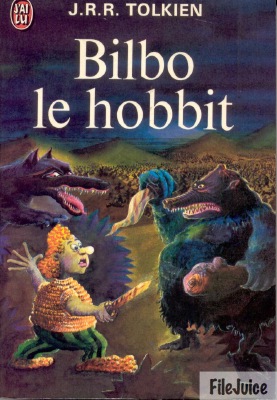
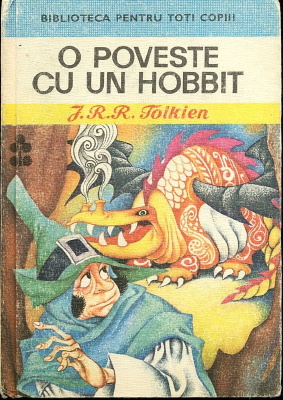
There are several reasons for this. First, The Hobbit has been translated into a remarkable number of languages, offering collectors a wide and ever-expanding field to explore. Secondly, many of these editions feature highly distinctive and imaginative cover designs, often reflecting local artistic traditions and interpretations of Tolkien’s work.
This combination of availability, diversity, and visual appeal makes collecting Hobbit translations both accessible and deeply rewarding. You can explore available copies in the Tolkien Library translation section or learn more about the wider field of Tolkien translations here.
Why collect The Hobbit translations?
Collectors are drawn to The Hobbit translations for a variety of reasons. Unlike traditional collecting, which often focuses on first editions or condition, translation collecting opens up a much broader and more creative field.
Each translation represents not only a linguistic interpretation, but also a cultural one. Titles, names, and even tone can vary from language to language, offering a fascinating insight into how Tolkien’s work has been understood across the world.
Equally important is the visual aspect. Many translation editions feature unique cover artwork — sometimes bold, sometimes unexpected — that differs significantly from the familiar English-language designs. This makes building a collection not only intellectually interesting, but visually striking as well.
For many collectors, it is precisely this combination of language, culture, and design that makes Hobbit translations so appealing.
How many Hobbit translations are there?
The Hobbit has been translated into more than 50 languages, with new editions continuing to appear. Some languages have multiple competing translations, while others exist in only a single edition, making certain versions far more difficult to obtain.
This wide range creates an interesting dynamic: while many translations are relatively easy to acquire, others are exceptionally scarce, particularly early editions or those from smaller publishing markets.
As a result, collecting Hobbit translations can be approached at many levels — from casually acquiring visually appealing editions to building a highly specialised and comprehensive international collection.
What to look for when collecting translations
When collecting Hobbit translations, several factors come into play. Condition remains important, particularly for older editions, but other elements often take on greater significance.
First editions of a translation are generally the most desirable, especially if they represent the first appearance of Tolkien’s work in a particular language. These editions often carry both historical and collector value.
Illustrations and cover design are also key considerations. Many collectors are drawn to editions with unique or particularly striking artwork, even if the book itself is not especially rare.
Finally, completeness and authenticity are essential. Dust jackets, slipcases, and original bindings all contribute to the overall desirability of a copy, particularly in higher-end collections.
A collector’s perspective
For many collectors, myself included, Hobbit translations offer a refreshing contrast to more traditional areas of Tolkien collecting. Where first editions can be scarce and often expensive, translations allow for a broader and more creative approach.
Some of the most memorable editions are not necessarily the rarest, but those with the most distinctive designs. Over time, a collection of translations becomes a visual journey through different cultures and artistic interpretations of Middle-earth.
It is also an area where discoveries still happen regularly. New editions appear, unexpected variants surface, and collections continue to evolve in ways that keep the field both active and engaging.
The quest for Hobbit translations
For many collectors, building a collection of The Hobbit translations quickly becomes more than a hobby — it turns into a journey. Unlike collecting standard editions, where books can often be found through established dealers and auction platforms, translation collecting frequently leads far beyond the usual channels.
Many editions are discovered through local bookshops, regional marketplaces, small online portals, or personal connections with collectors and dealers in other countries. In some cases, the only way to obtain a particular translation is through direct contact with someone who understands the local market.
This creates a uniquely personal aspect to the field. Collectors build networks across the world, exchanging knowledge, helping each other locate elusive editions, and sharing discoveries. Friendships form through a shared passion for Tolkien’s work, often bridging language and cultural differences.
Travel also plays a role. It is not uncommon for collectors to pick up a local edition of The Hobbit in each country they visit, gradually building a collection that reflects both their journeys and the global reach of Tolkien’s imagination.
At the same time, the search is never truly complete. New translations continue to appear, while older or previously unknown editions occasionally surface in unexpected places. Regions such as Eastern Europe and Russia, in particular, have produced editions that remain difficult to trace, adding an element of discovery that keeps the field alive and evolving.
Collectors looking to begin or expand such a collection can explore available examples in the Tolkien Library translation section.
Tolkien and the challenge of translation
It is worth remembering that J.R.R. Tolkien himself had a complicated relationship with translations of his work. As a philologist, Tolkien cared deeply about language, meaning, names, and the internal consistency of his invented world.
Names in Tolkien’s writing were rarely accidental. They often carried linguistic, historical, or cultural meaning, and this made translation especially difficult. When The Hobbit began to appear in other languages, Tolkien was concerned that certain names, tones, and meanings might be altered or misunderstood.
To help translators, Tolkien prepared guidance on how some names and terms should be treated. Yet variations inevitably emerged, and this is precisely what makes the field so fascinating for collectors today.
Each translation is not simply the same book in another language. It is also a record of how Tolkien’s work was interpreted, adapted, and presented within a particular culture. For collectors, this adds intellectual depth to the visual and bibliographical appeal of these editions.
You can read more about the wider subject of Tolkien in translation in the Tolkien translations section.
A world of interpretations before the films
One of the most rewarding aspects of collecting early translations of The Hobbit is seeing how differently Tolkien’s world was imagined before the visual influence of the films became dominant.
Before the now-familiar cinematic imagery of Middle-earth, artists around the world approached Tolkien’s work with remarkable freedom. Cover designs varied dramatically from country to country, offering interpretations that could be whimsical, strange, dark, mythic, humorous, or deeply rooted in local artistic traditions.
Bilbo, Gandalf, the dwarves, Gollum, and Smaug often appeared in forms that differ greatly from later, standardised visual interpretations. Some covers feel almost like fairy-tale illustrations, while others reflect folklore, modernist design, children’s publishing traditions, or national styles of book illustration.
This cultural variety is one of the great pleasures of translation collecting. A shelf of Hobbit translations becomes more than a row of books — it becomes a visual history of how different countries imagined Middle-earth before a single global image took hold.
For collectors interested in Tolkien art, illustration, and visual interpretation, these translations form a natural bridge to other collecting areas such as Tolkien art and sketches and illustrated editions of The Hobbit.
Notable Hobbit translations
Below is a selection of interesting and collectible Hobbit translations, illustrating the wide range of styles, languages, and interpretations that exist. From early editions to visually striking modern releases, each offers a unique perspective on Tolkien’s work.
Dutch Edition of The Hobbit (De Hobbit)
The Dutch translation of The Hobbit, titled De Hobbit, is one of the most recognisable European editions. Published in several forms over the years, it is particularly known for its distinctive cover artwork and consistent popularity among collectors.
Dutch editions are widely available, making them an excellent starting point for collectors. At the same time, early printings and well-preserved copies remain desirable, especially when accompanied by their original dust jackets.
Swedish Edition of The Hobbit (Tove Jansson Illustrations)
The Swedish edition of The Hobbit is highly sought after due to its illustrations by Tove Jansson, creator of the Moomins. Her unique artistic style offers a striking and unconventional interpretation of Middle-earth.
These editions stand apart from more familiar Tolkien artwork and have become particularly popular among collectors looking for visually distinctive translations. Early examples in good condition are increasingly difficult to find.
Finnish Edition of The Hobbit
The Finnish translation holds a special place within Tolkien collecting, not only because of Finland’s influence on Tolkien’s mythology, but also due to the strong design identity of many Finnish editions.
Often featuring bold and atmospheric artwork, these editions appeal to collectors interested in both linguistic and cultural connections to Tolkien’s work.
Japanese Edition of The Hobbit
Japanese editions of The Hobbit are notable for their refined and often minimalist design approach. In contrast to more elaborate Western covers, many Japanese editions emphasise typography, subtle illustration, and elegant presentation.
This distinct aesthetic makes them particularly appealing to collectors seeking variety and contrast within a translation collection.
Polish Edition of The Hobbit
Polish editions of The Hobbit are known for their bold and sometimes unconventional cover designs. Much like Polish editions of The Silmarillion, they often reflect a highly individual artistic interpretation.
These editions are popular among collectors who appreciate unusual or unexpected visual approaches, making them a distinctive addition to any translation collection.
German Edition of The Hobbit (Der Hobbit)
The German translation, Der Hobbit, benefits from a long and well-established publishing tradition. Numerous editions exist, ranging from early printings to modern illustrated versions.
This breadth makes German editions particularly interesting for collectors, offering opportunities to focus on specific publishers, illustrators, or time periods.
Spanish Edition of The Hobbit (El Hobbit)
Spanish editions of The Hobbit display a wide variety of artistic styles, from classic illustrated covers to more modern interpretations. This diversity makes them especially appealing to collectors seeking visual range.
Different publishers across Spain and Latin America have produced their own versions, adding further depth to this collecting area.
French Edition of The Hobbit (Le Hobbit)
The French translation, Le Hobbit, has appeared in many editions, often characterised by elegant design and high production quality. Some editions feature classic illustrated covers, while others adopt a more modern aesthetic.
For collectors, French editions offer a balance between accessibility and refinement, making them a popular choice within a broader translation collection.
Final thoughts
Collecting translations of The Hobbit offers a unique and rewarding way to explore Tolkien’s world. Each edition represents not only a different language, but a different cultural perspective — from cover art and illustration to the subtle choices made in translation.
Whether you are just starting your collection or looking to expand an existing one, Hobbit translations provide an accessible yet endlessly fascinating field. Some collectors focus on visual variety, others on rarity, and many combine both approaches over time.
What makes this area particularly exciting is that it is still evolving. New editions continue to appear, while rare and previously unseen versions occasionally surface. The search, quite simply, never truly ends.
If you are looking to begin or expand your collection, you can browse available copies in the translation section of the Tolkien Library or explore the wider topic of Tolkien translations.
Collectors who are searching for specific editions — or who have rare translations to offer — are always welcome to get in touch. Many of the most interesting books never appear publicly, and are found through connections within the collecting community.