Collecting The Silmarillion: First Editions and Variants

A detailed guide to collecting The Silmarillion, covering first editions, variants, deluxe and signed copies, and the history behind Tolkien’s most profound work.

When collecting Tolkien books, most readers begin with The Hobbit and The Lord of the Rings. Yet beyond these well-known works lies another cornerstone of Middle-earth: The Silmarillion.

For many, it is a challenging read at first. For others, it becomes Tolkien’s most important and rewarding work. In many ways, it is both his first and his last book — conceived long before The Hobbit, yet only brought into published form after his death.

The Silmarillion tells the story of the First Age of Middle-earth, revealing the ancient history to which characters in The Lord of the Rings look back, refer, and sing about. Tolkien worked on these legends throughout his entire life, continually revising, expanding, and reshaping them.

It was edited and published posthumously by his son Christopher Tolkien, with the assistance of fantasy writer Guy Gavriel Kay, who helped reconstruct and unify some of the most complex parts of the text into a coherent whole.

This guide explores both the origins of The Silmarillion and how to collect it — from first editions and early printings to deluxe, signed, and translated editions that have become increasingly sought after by collectors.

Inside The Silmarillion

The Silmarillion is composed of five distinct parts, originally separate works that were later brought together into a single volume, reflecting how J.R.R. Tolkien envisioned his legendarium as a unified whole.

  • The Ainulindalë – the creation of Eä, Tolkien’s universe, through the music of the Ainur.
  • The Valaquenta – a description of the Valar and Maiar, the powers that shape the world.
  • The Quenta Silmarillion – the central narrative, recounting the events before and during the First Age.
  • The Akallabêth – the history of the downfall of Númenor in the Second Age.
  • Of the Rings of Power and the Third Age – linking the earlier ages to the events of The Lord of the Rings.

These five parts, though differing in tone and origin, were assembled into a coherent structure that reflects Tolkien’s lifelong effort to shape his mythology into a complete and interconnected history.

Some chapters stand out as particularly powerful and memorable. Personal favourites include:

  • Of Beren and Lúthien
  • Of Túrin Turambar – the tale of the Children of Húrin
  • The Fall of Gondolin – perhaps the most dramatic and, for many readers, one of the most compelling stories in the book

Development of the text

The earliest prose tales that developed into The Silmarillion date back to 1916–1917, when Tolkien was recovering in England from trench fever after serving on the Somme. During this period, he began writing what he called The Book of Lost Tales, laying the foundations for what would become his legendarium.

After the war, Tolkien attempted to publish parts of these stories, but they were repeatedly rejected by publishers, who regarded them as “fairy tales” unsuitable for an adult audience. Even after the success of The Hobbit in 1937, he again tried to bring these myths to publication. However, the material was still considered too complex, and instead he was encouraged to write a sequel — a work that would eventually become The Lord of the Rings.

Despite these setbacks, Tolkien never abandoned his work on The Silmarillion. He regarded it as the core of his mythology, not only providing the background to the events of The Hobbit and The Lord of the Rings, but forming the foundation of his entire imaginative world. Over the following decades, he continued to revise, expand, and reshape these stories, working on them until his death in 1973.

After Tolkien’s death

After J.R.R. Tolkien’s death in 1973, the task of bringing The Silmarillion into publishable form fell to his son, Christopher Tolkien. Over several years, he worked through a vast body of manuscripts, drafts, and notes, assembling them into a coherent, consistent, and chronologically structured narrative.

In some of the later sections — particularly parts of the Quenta Silmarillion — the material existed only in fragmentary or highly complex forms. To address this, Christopher Tolkien collaborated with fantasy author Guy Gavriel Kay, who assisted in shaping and reconstructing portions of the narrative from incomplete sources.

The final result, published in 1977, included genealogies, maps, an index, and the first widely available Elvish word list. While necessarily a reconstruction, this edition remains one of the most significant and influential publications in Tolkien’s literary legacy.

Collecting The Silmarillion

Since its publication, The Silmarillion has appeared in a wide range of editions, impressions, and formats. This makes it an accessible and rewarding field for collectors, offering several different approaches depending on interest and ambition. A good starting point is to explore the range of available copies in the Tolkien Library book store, where examples from different printings and formats regularly appear.

One approach is to collect the various impressions of the original edition. While this may sound straightforward, it quickly becomes a substantial undertaking. Even so, it remains far more achievable than attempting to collect every edition of The Hobbit.

Another popular route is to focus on translations. Collecting international editions of The Silmarillion opens the door to a wide variety of interpretations, bindings, and — most notably — illustrations. Some editions feature remarkably unusual or unexpected artwork, making this an especially enjoyable and visually diverse collecting path. It is also a field that naturally connects collectors around the world, often leading to new friendships and exchanges.

Most standard hardback and paperback editions remain relatively easy to find and are generally affordable. However, truly scarce items do exist. Deluxe editions, signed copies, and even the occasional proof copy are increasingly sought after and can be difficult to acquire. Comparable material can sometimes also be found through the wider rare book market via AbeBooks, although truly exceptional copies tend to surface only rarely.

Below is a selection of notable and collectible editions, illustrating the range from widely available reading copies to rarer and more desirable pieces. While I have not included the first American edition — arguably the most common version on the market — it remains a perfectly good reading copy, and in my case, still serves exactly that purpose.

First Edition of
The Silmarillion

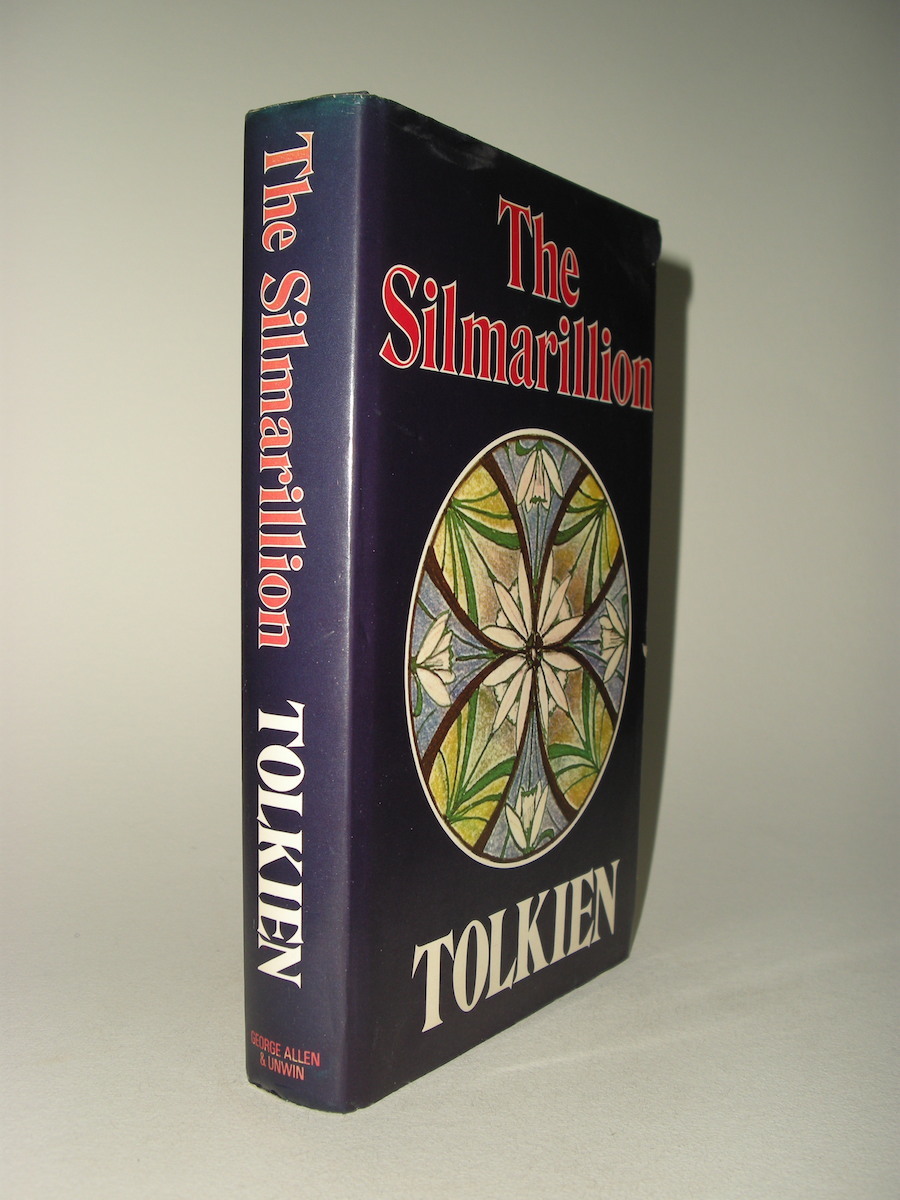
First Edition of The Silmarillion (1977)

The first edition of The Silmarillion was published in 1977 by George Allen & Unwin in London, issued as a hardback with a dust jacket. As the first appearance of Tolkien’s posthumously assembled legendarium, this edition holds a central place in any Tolkien collection.

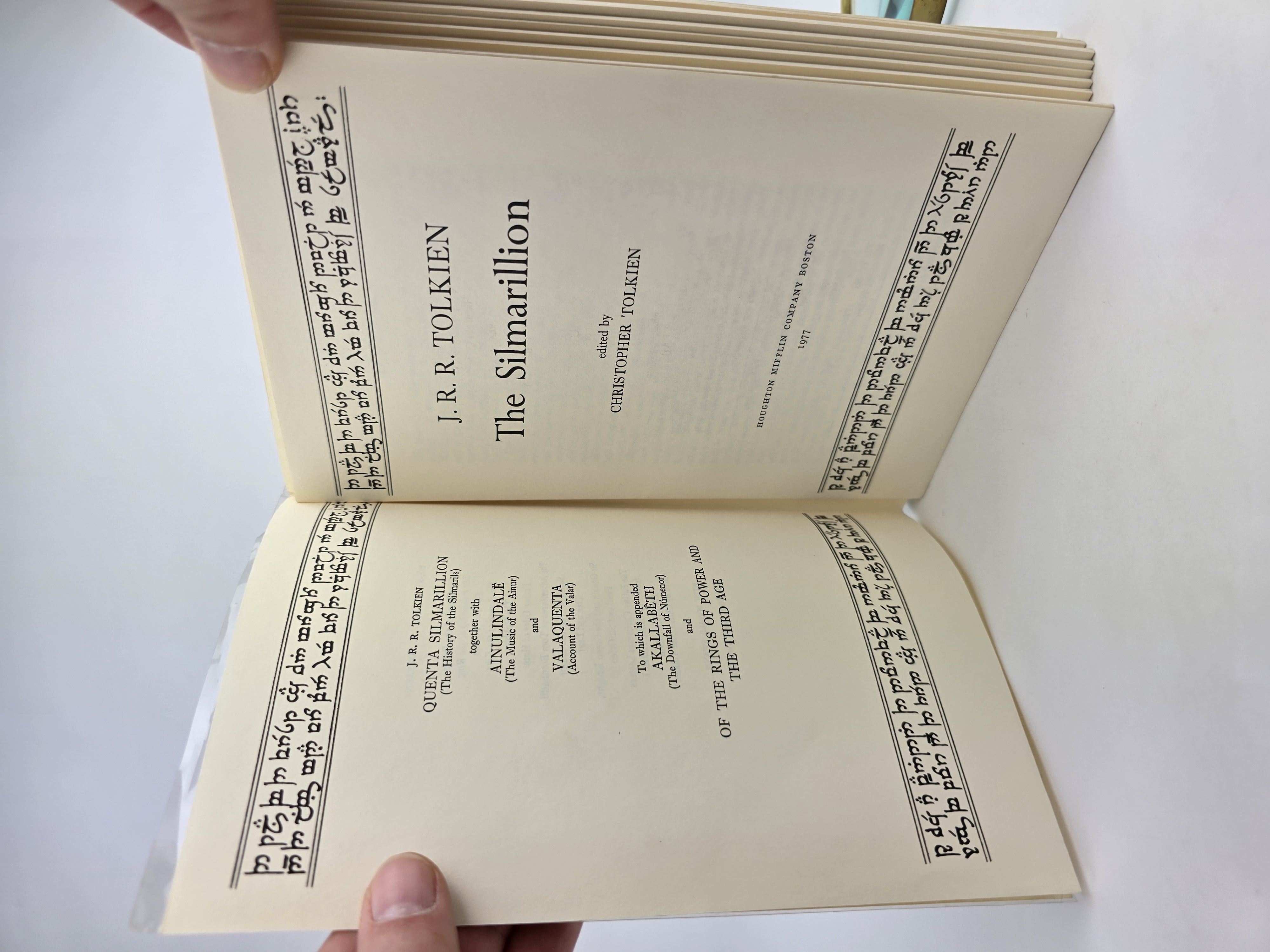
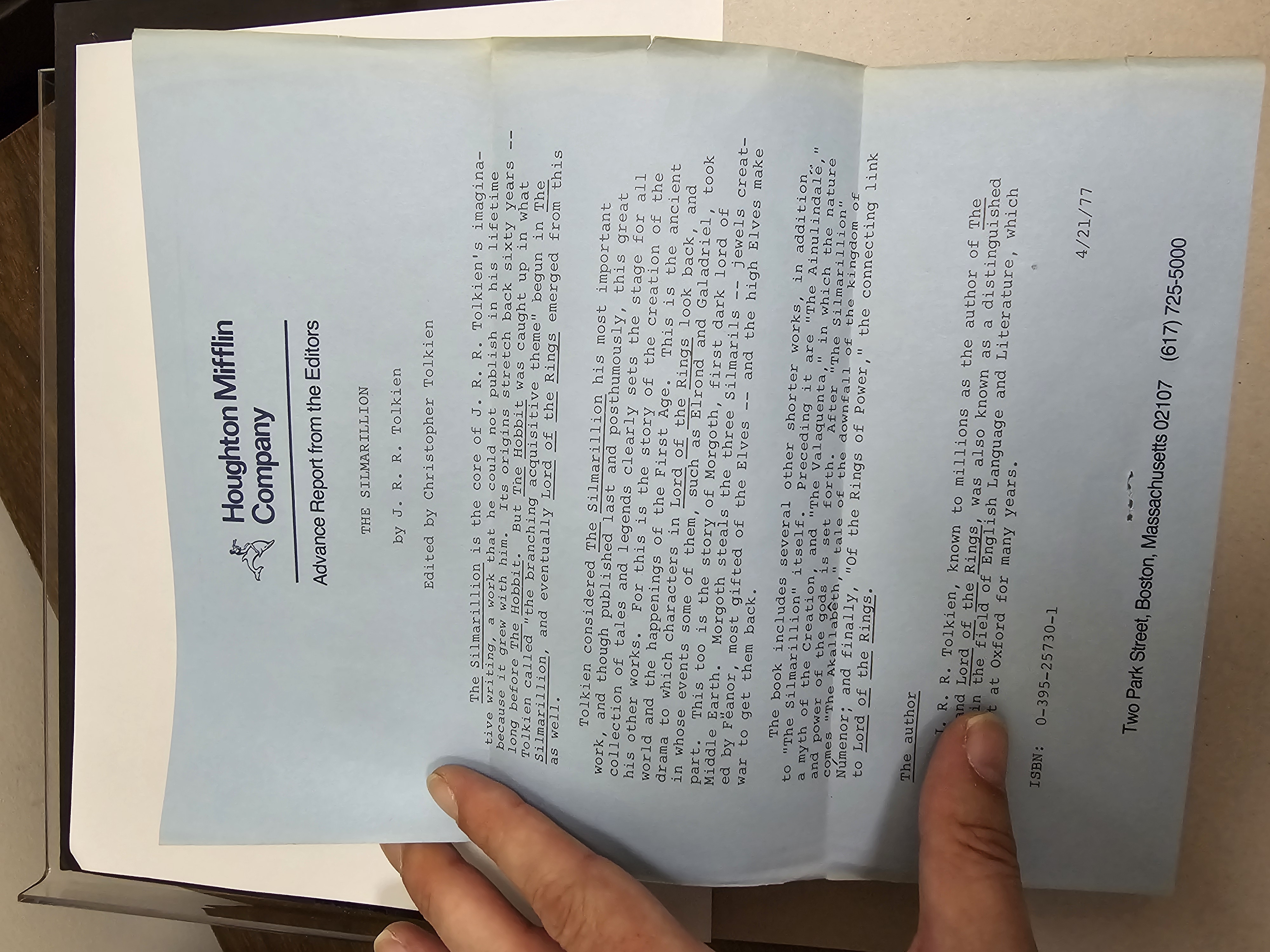
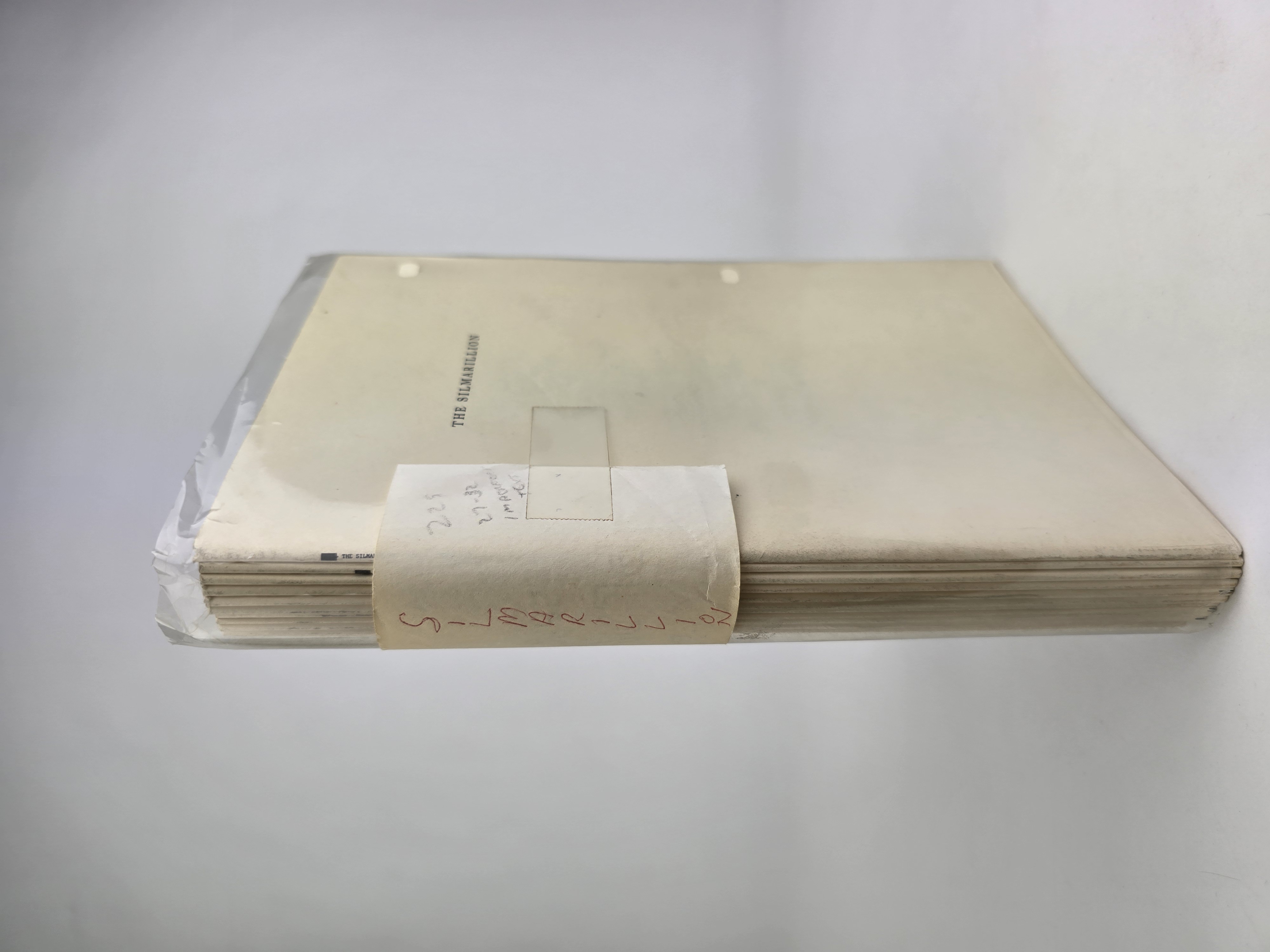
Dummy copies

Before its official release, a small number of dummy copies were produced and circulated to booksellers to solicit advance orders. These early pre-publication examples are scarce and only occasionally appear on the market.

Traditionally recorded variants include copies with text printed up to page 32 and others extending to page 35. A separately documented Clowes copy in Tolkien Library’s catalogue has text printed only through page 29. In the page-32 and page-35 variants, the remaining pages — including the map at the rear — are left blank. These copies were never intended for long-term survival, which makes them particularly desirable to collectors today.

Printers and variants

Due to the high demand surrounding publication, multiple printers were involved in producing the first edition. As a result, a number of subtle variants exist, offering an additional layer of interest for collectors.

Known printers include Billing & Sons, Clowes & Sons, University Press, Unwin Brothers, and Book Club Associates (BCA), the latter also printed by Clowes & Sons. Collecting copies from each printer can form a rewarding and focused collecting challenge.

An export issue also exists, identifiable by the absence of a printed price on the dust jacket. At least two variants of this issue are known.

While the differences between these variants are often minor, they reflect the complexity of the original print run and offer collectors the opportunity to explore the first edition in greater depth.
The Tolkien Library Box Set

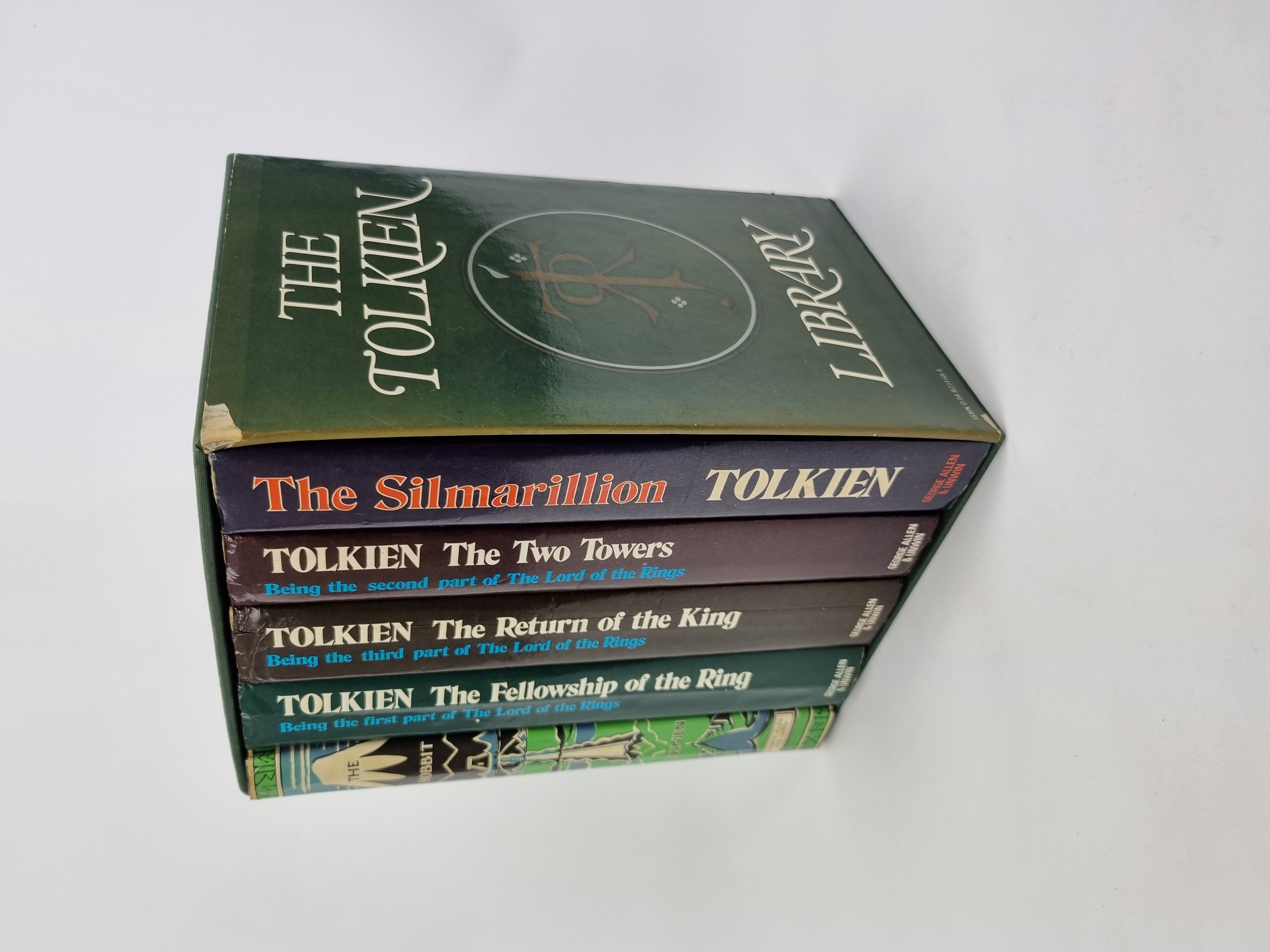
One item that does not appear very often on the market is the boxed set titled The Tolkien Library, issued by George Allen & Unwin. The name itself is intriguing — and, of course, inspired the name of this site — but beyond that, the set has become a genuinely scarce collectible.

The set consists of hardback editions housed in a slipcase, featuring illustrations by J.R.R. Tolkien and including the well-known final photograph of Tolkien taken by Billett Potter. Its presentation gives it a distinct identity compared to standard trade editions of the period.

A typical set includes a 4th edition of The Hobbit, a 1st edition, 4th impression of The Silmarillion, and a 2nd edition of The Lord of the Rings. Variations do exist, and as with many Tolkien items from this period, careful verification of contents is recommended.

The box set is generally dated to 1978, although examples have been observed with dates ranging from 1978 to 1981. This variation suggests multiple production runs and adds an additional layer of interest for collectors.

Due to its relative scarcity and the ongoing demand for well-presented Tolkien sets, examples can command strong prices on the market. As always, condition — both of the books and the slipcase — as well as completeness, plays a decisive role in determining value.


The Guild Edition The Silmarillion

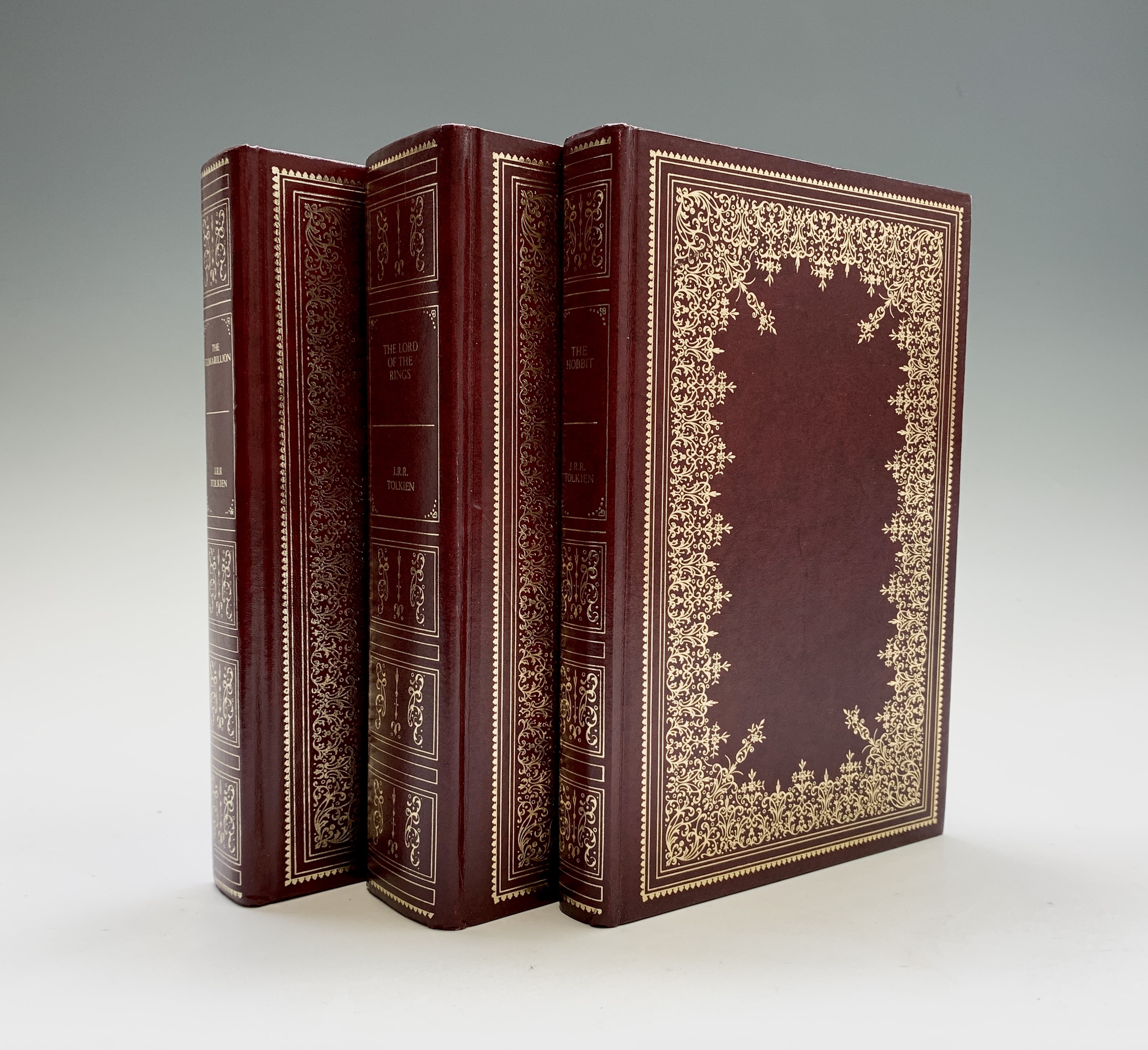
The Guild Edition of The Silmarillion, published in 1981 by Guild Publishing, is a well-known and much appreciated version of Tolkien’s work. It is particularly admired for its aesthetic appeal, especially when paired with other Middle-earth titles produced in the same style.

Although not a rare edition, it holds a special place for many readers and collectors. I often use this edition to read aloud to my children, who find its appearance — and the atmosphere it creates — truly magical.

The edition was reprinted in 1985 and 1989, which contributes to its relatively wide availability. For that reason, it is not typically considered a high-value collectible. However, its popularity and recognisable design mean it is frequently sought after, particularly by collectors looking to build a visually cohesive Tolkien library.

Its charm, accessibility, and enduring appeal make it a natural and enjoyable addition to any Tolkien collection.


The Super Deluxe 
The Silmarillion

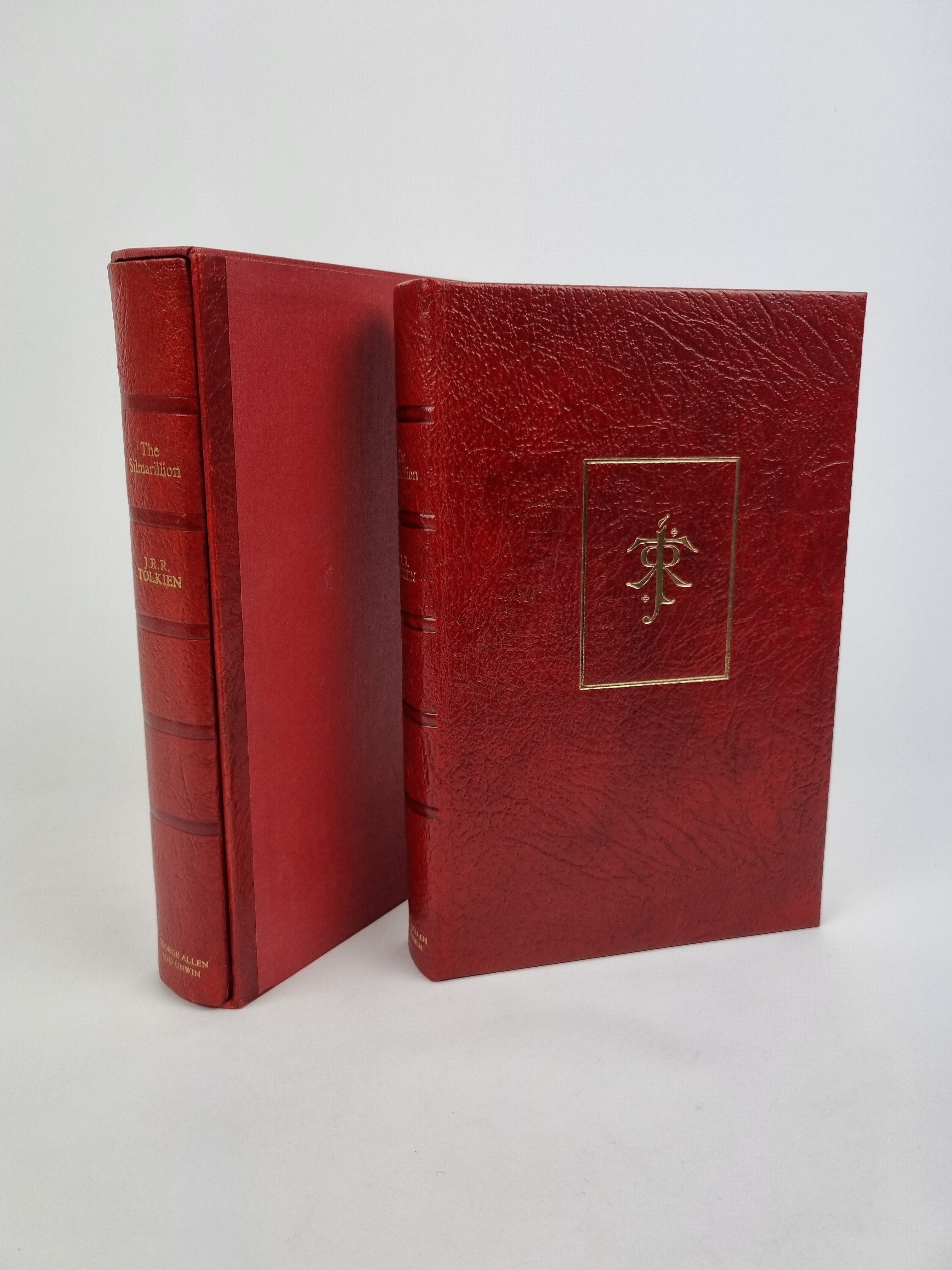
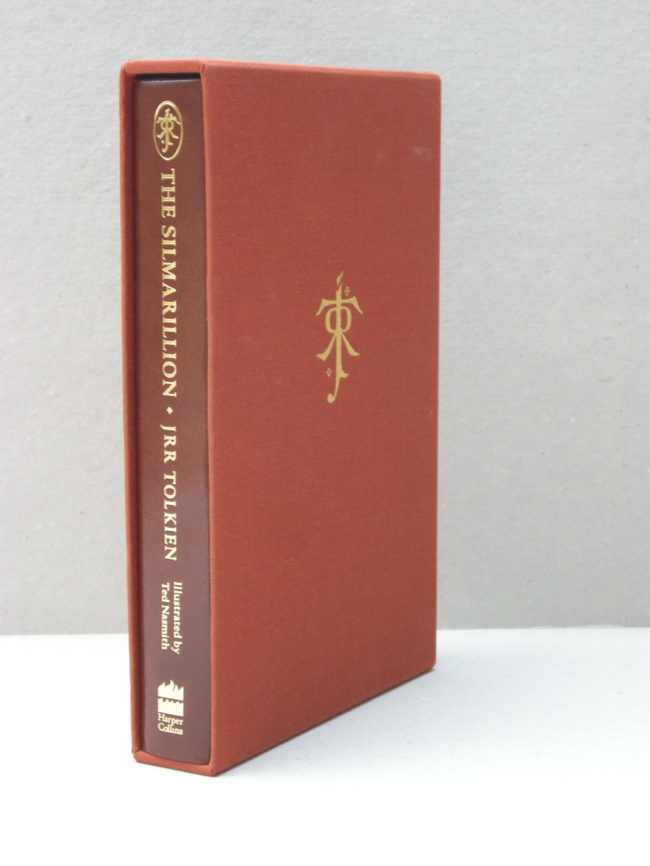
The 1982 limited “Super Deluxe” edition of The Silmarillion, published by George Allen & Unwin, is among the most desirable posthumous Tolkien editions. It was created by reserving the first 1,000 sheets of the 1977 first edition printing, which were later specially bound to produce this limited issue.

Of these, 100 copies were signed by Christopher Tolkien, making them particularly sought after. The remaining unsigned copies are also highly collectible, especially in fine condition with their original slipcases.

The books were bound in red leather and housed in matching slipcases, giving the edition a distinctive and luxurious appearance. It is widely believed that not all 1,000 copies were ultimately bound and issued, which may further contribute to its relative scarcity on the market.

Two variants of the limitation page are known: one printed on an integral leaf, and another pasted onto the front endpaper. While subtle, these differences add an additional point of interest for collectors.

When examples appear on the market, they typically command strong prices, often in the higher collector range depending on condition, completeness, and whether the copy is signed. As availability continues to decrease, this edition remains a cornerstone piece for serious collectors of Tolkien’s works.

Polish translation of The Silmarillion

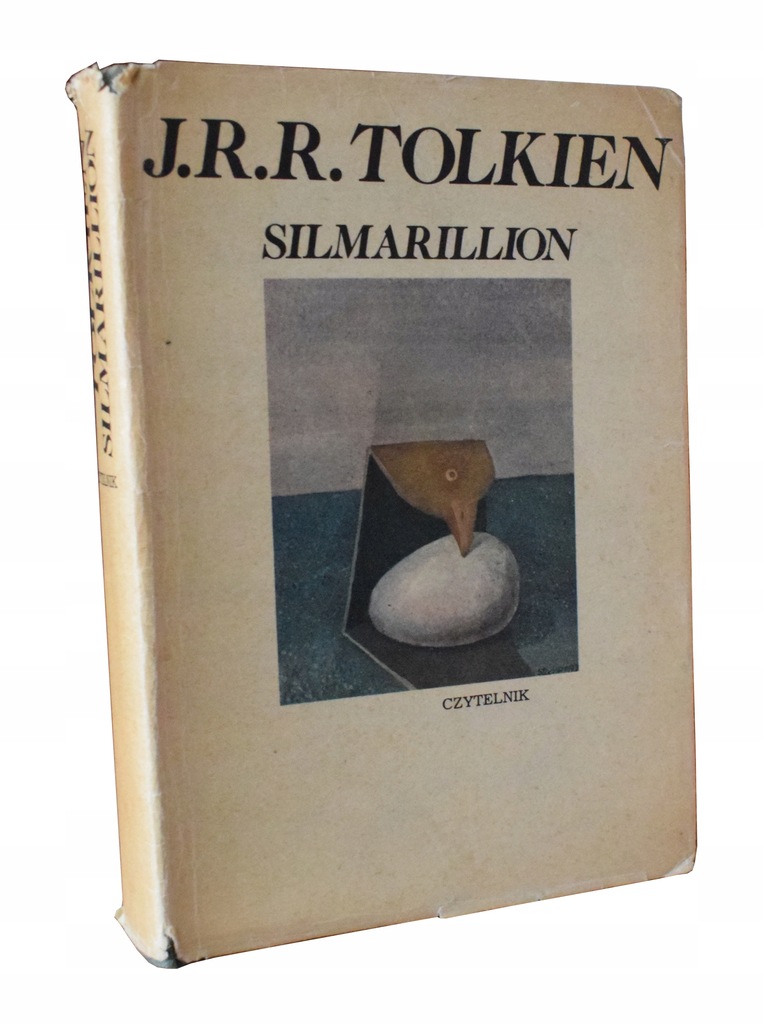
This Polish edition of The Silmarillion, published in 1985 by Czytelnik, is a particularly interesting example for collectors of international Tolkien translations. Bound in green cloth boards, it stands out not so much for its rarity, but for its highly distinctive visual presentation.

What makes this edition especially memorable are its unusual illustrations. The cover, in particular, has become something of a curiosity among collectors, famously depicting a chicken and an egg — an unexpected and almost whimsical interpretation for Tolkien’s epic mythology.

While not a high-value collectible in the traditional sense, editions such as this highlight the wide range of artistic interpretations found in Tolkien translations. For collectors focused on international editions, it represents a fascinating and characterful addition to a Tolkien library.


1998 Deluxe Edition of
The Silmarillion

In 1998, HarperCollins published a deluxe edition of The Silmarillion, illustrated by Ted Nasmith. This finely produced edition was limited to just 500 copies, each signed by both the artist and Christopher Tolkien, making it one of the more desirable modern collectible editions.

Despite its relatively small limitation, this edition still appears on the market from time to time. However, truly fine copies — complete with slipcase and in excellent condition — are becoming increasingly difficult to source, as more examples find their way into long-term private collections.

The combination of Ted Nasmith’s artwork and the dual signatures gives this edition a strong appeal, both as a visual piece and as a collectible object. In particular, copies signed by Christopher Tolkien have gained additional significance in recent years, as opportunities to acquire his signature have become increasingly limited.

As a result, the 1998 deluxe edition occupies an interesting position within the market: still accessible when compared to earlier limited editions, yet steadily moving into the higher collector tier as availability continues to decrease.

2002 Deluxe Edition of
The Silmarillion

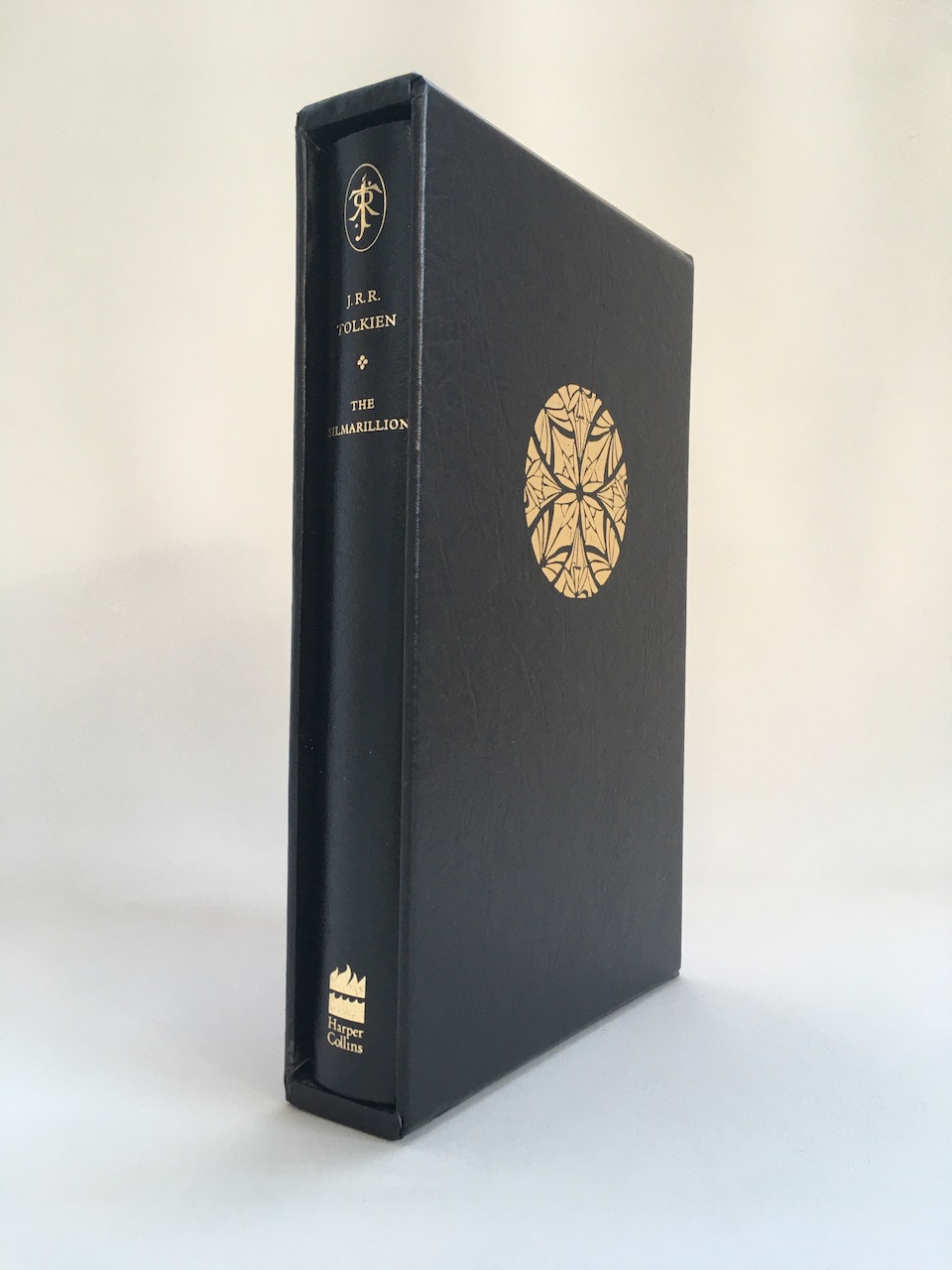
Another finely produced deluxe edition of The Silmarillion was issued by HarperCollins in 2002. This hardback edition, housed in a leather-covered slipcase, was limited to 1,000 copies and was designed to match the publisher’s deluxe editions of The Hobbit, The Lord of the Rings, and The History of Middle-earth.

The book features a striking gilt-stamped Silmarillion device on the front boards, echoed on the slipcase itself. Combined with its gilded page edges and high production quality, the edition has a strong visual presence and fits naturally within a cohesive deluxe Tolkien collection.

An interesting feature of this edition is the inclusion of an excerpt from Tolkien’s letter to Milton Waldman, offering valuable insight into his vision for the legendarium and adding an additional layer of appeal for collectors.

While not as scarce as some earlier limited editions, this 2002 deluxe edition remains highly desirable, particularly when found in excellent condition with its original slipcase. Its combination of thoughtful design, uniformity with other deluxe volumes, and limited production ensures its continued popularity among collectors.

2004 Illustrated Edition of
The Silmarillion

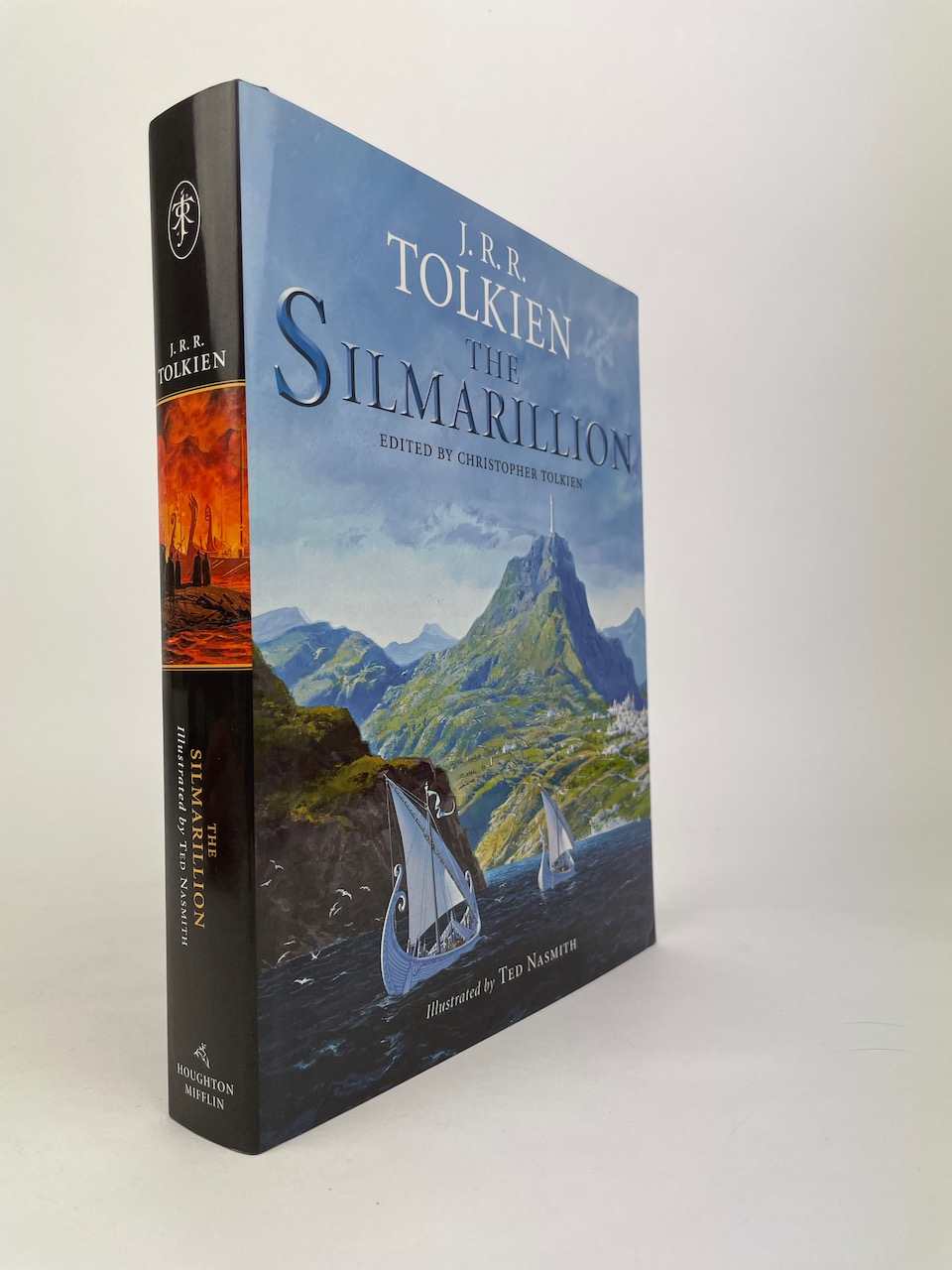
The 2004 illustrated edition of The Silmarillion, published by HarperCollins and illustrated by Ted Nasmith, remains one of the most visually engaging modern editions of the work. While not as scarce as some of the limited or deluxe editions, it holds strong appeal for both readers and collectors.

This edition is notably larger and thicker than standard printings, featuring no fewer than 48 full-colour paintings by Nasmith. These illustrations bring many of the First Age stories vividly to life, offering a rich visual interpretation of Tolkien’s mythology.

At a time when much of the public focus on Tolkien illustration tends to centre on Alan Lee — largely due to the film adaptations — Nasmith’s work provides a distinct and equally compelling artistic vision. His landscapes and scenes capture both the scale and the atmosphere of Middle-earth in a way that resonates strongly with readers.

Having spent time with this edition, I can say it remains a particularly rewarding one to return to, both for reading and for appreciating the artwork. Its combination of accessibility and visual depth makes it a valuable and enduring addition to any Tolkien collection.

Final thoughts on collecting The Silmarillion

Collecting editions of The Silmarillion offers a unique journey through the many ways Tolkien’s work has been interpreted, produced, and presented over time. From the 1977 first edition to later deluxe, illustrated, and translated versions, each edition reflects a different aspect of the book’s history and enduring appeal.

Some collectors focus on early printings and variants, while others are drawn to deluxe editions, signed copies, or international translations. There is no single “correct” way to build a collection — the strength of collecting The Silmarillion lies precisely in the diversity of paths available.

As with all Tolkien collecting, condition, completeness, and provenance play a crucial role in determining value. Many of the most desirable editions are becoming increasingly difficult to locate in fine condition, particularly as they are absorbed into long-term collections.

Whether you are just beginning or refining an established collection, The Silmarillion remains one of the most rewarding areas to explore — both for its literary depth and its wide range of collectible editions.

References

  • Hammond, Wayne G., with the assistance of Douglas A. Anderson. J.R.R. Tolkien: A Descriptive Bibliography.
  • Book and Magazine Collector, February 1992, No. 95.
  • The Silmarillion, Wikipedia.
  • Tolkienbooks.net