Meta Search Tools for Tolkien Books: How to Find Rare and Hidden Copies Online
What are Meta Search Tools?
Meta search tools do not sell books themselves. Instead, they search across hundreds of booksellers, marketplaces and dealer websites at once. In simple terms, they allow you to search once and see results from many different sources, rather than checking each site individually.
For Tolkien collectors, this can save an enormous amount of time. Rare and out-of-print books are often scattered across many platforms, and a single meta search can reveal copies that would otherwise remain hidden.
However, it is important to understand that meta search tools are only as good as the data they index. They are powerful starting points, but they do not replace careful checking of individual listings.
Meta Search Tools vs Book Marketplaces
A common mistake is to confuse meta search tools with marketplaces.
Marketplaces such as AbeBooks, Biblio or Alibris are places where books are actually listed and sold. Meta search tools sit on top of these platforms and combine their listings into one search.
This means that when you use a meta search tool, you are often seeing the same book appear from multiple sources, sometimes at different prices or with slightly different descriptions.
Understanding this difference is essential when comparing copies and judging value.
Disclosure: This page contains affiliate links. If you buy through them, Tolkien Library may earn a commission at no extra cost to you.
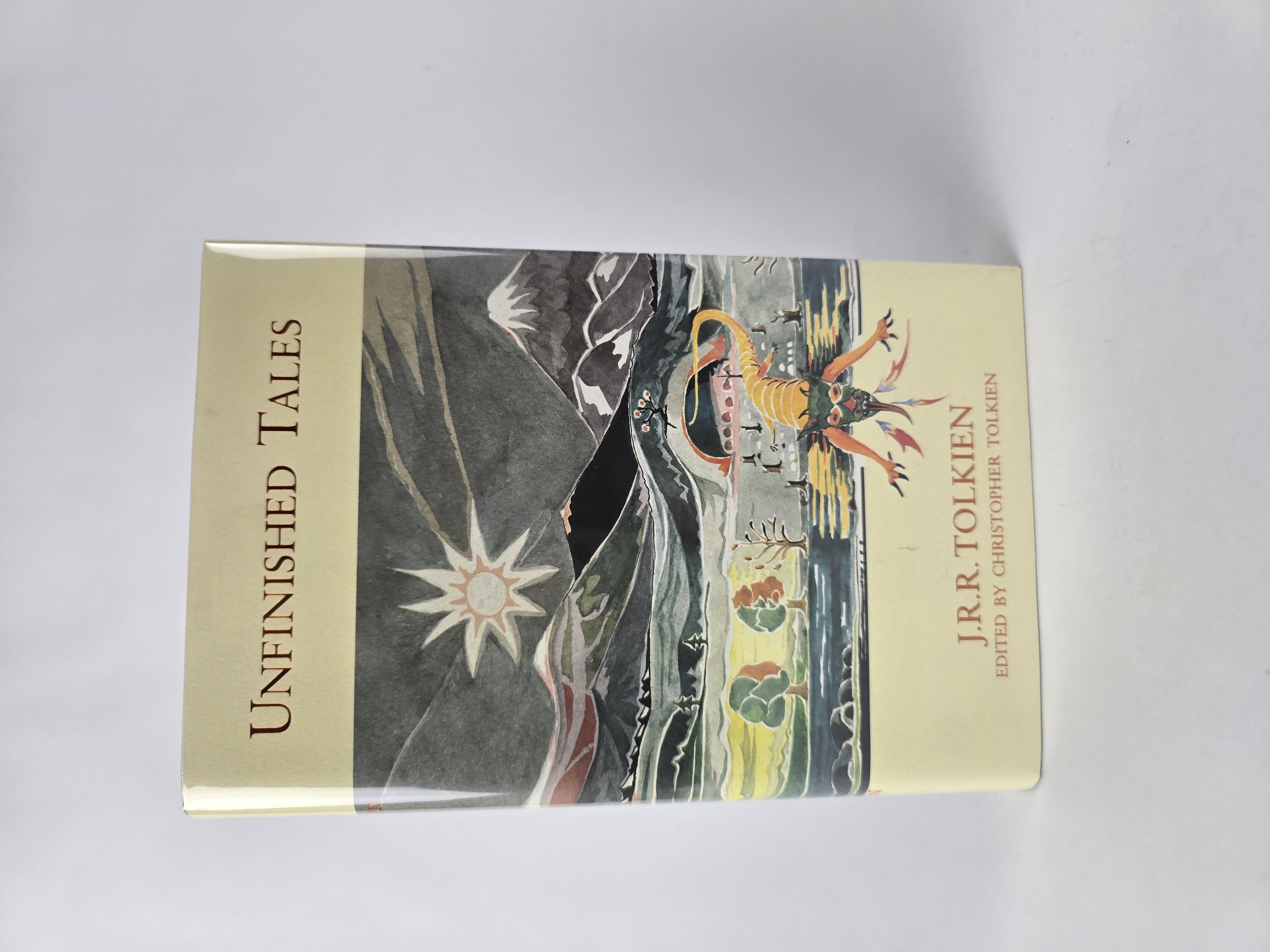
Widely sought-after edition — regularly searched for, but not always easy to locate in strong condition.
The Most Important Meta Search Tools
There are three core meta search tools that every Tolkien collector should know. Together, they cover most of the international book market.
viaLibri www.vialibri.net Often considered the most powerful tool for serious collectors. It searches a wide range of marketplaces, dealer catalogues and auction listings, and is particularly strong for rare books, first editions and signed copies.
BookFinder www.bookfinder.com A large international search engine indexing thousands of booksellers. It is especially useful for comparing prices and finding multiple copies of the same edition.
AddALL www.addall.com One of the oldest meta search tools. While the interface is simple, it remains useful for academic titles and out-of-print books.
In practice, experienced collectors use more than one of these tools when searching.
Key Book Marketplaces (Used by Meta Search Tools)
Meta search tools pull their results from a number of major marketplaces. Understanding these platforms helps when comparing listings.
Many listings appear across multiple platforms, sometimes with different descriptions or prices. Always compare carefully.
How to Use Meta Search Tools Effectively
Most collectors use meta search tools in a simple way, but a more structured approach produces better results.
Search by title, then refine with publisher, date or edition
Repeat the search using ISBN when available
Try misspellings such as “Tolkein” or incomplete titles
Compare multiple listings of the same book carefully
Always click through to the original listing before deciding
Descriptions, condition reports and photographs often differ significantly between listings, even when they refer to the same book.
For more general strategies, see the search tips page.
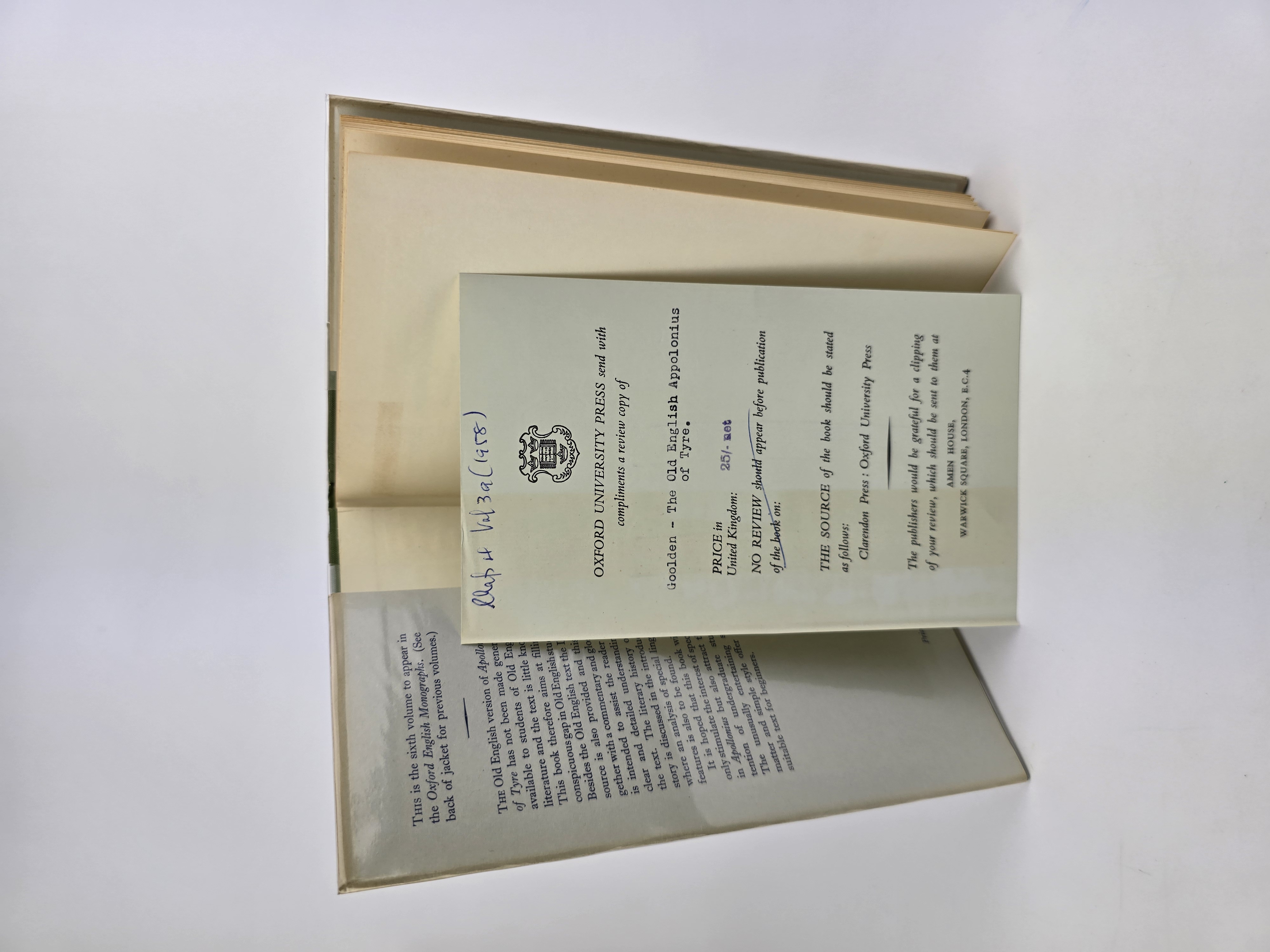
Proof and review copies — rarely listed clearly and often only found through careful searching.
Limitations of Meta Search Tools
Meta search tools are powerful, but they are not complete.
Not every dealer is indexed. Some specialist sellers, private catalogues and high-end items never appear in meta search results. Listings can also be outdated, duplicated or incorrectly described.
This means that even the best search tool will only show part of the market. Serious collectors combine meta search with other methods.
Alerts and Want Lists
For scarce Tolkien books, searching manually is often not enough. Many important items appear only briefly and are sold quickly.
Some meta search tools allow you to set alerts for specific searches. This means you will be notified when a new copy appears.
In addition, dealer want lists remain one of the most effective ways to find rare books. By telling dealers what you are looking for, you can gain access to material before it appears publicly.
You can learn more about this approach on the want lists page.
Regional and Foreign-Language Markets
One of the biggest advantages in collecting comes from searching beyond English-language platforms. Important Tolkien books often appear in regional markets that are not fully indexed by global meta search tools.
These platforms often contain listings with less consistent descriptions, which means interesting copies can be overlooked or mispriced. Collectors who search internationally gain access to a much wider pool of material.
Foreign-language editions — frequently overlooked and often hidden in regional markets.
Additional Search Tools and Dealer Networks
Some useful platforms fall between marketplaces and meta search tools. They may not be fully indexed everywhere and can occasionally reveal listings that are missed elsewhere.
These platforms are still relevant, especially for independent dealers and European stock.
Auction Aggregators
Auctions are an important part of the rare book market, but they are often missed by standard search tools.
Platforms such as Barnebys, LiveAuctioneers and Invaluable aggregate auction listings from many houses and can reveal unique Tolkien material, including manuscripts, signed books and exceptional copies.
Unlike regular listings, auction results can also help establish real market value, especially for rare items.
Library Databases and True Rarity
Library catalogues are not used to buy books, but they are essential for understanding rarity.
Tools such as WorldCat allow you to see how widely a particular edition is held in libraries around the world. This can help distinguish between books that are genuinely scarce and those that simply appear infrequently on the market.
For Tolkien collectors, this can be particularly useful when evaluating translations, early printings and academic works.
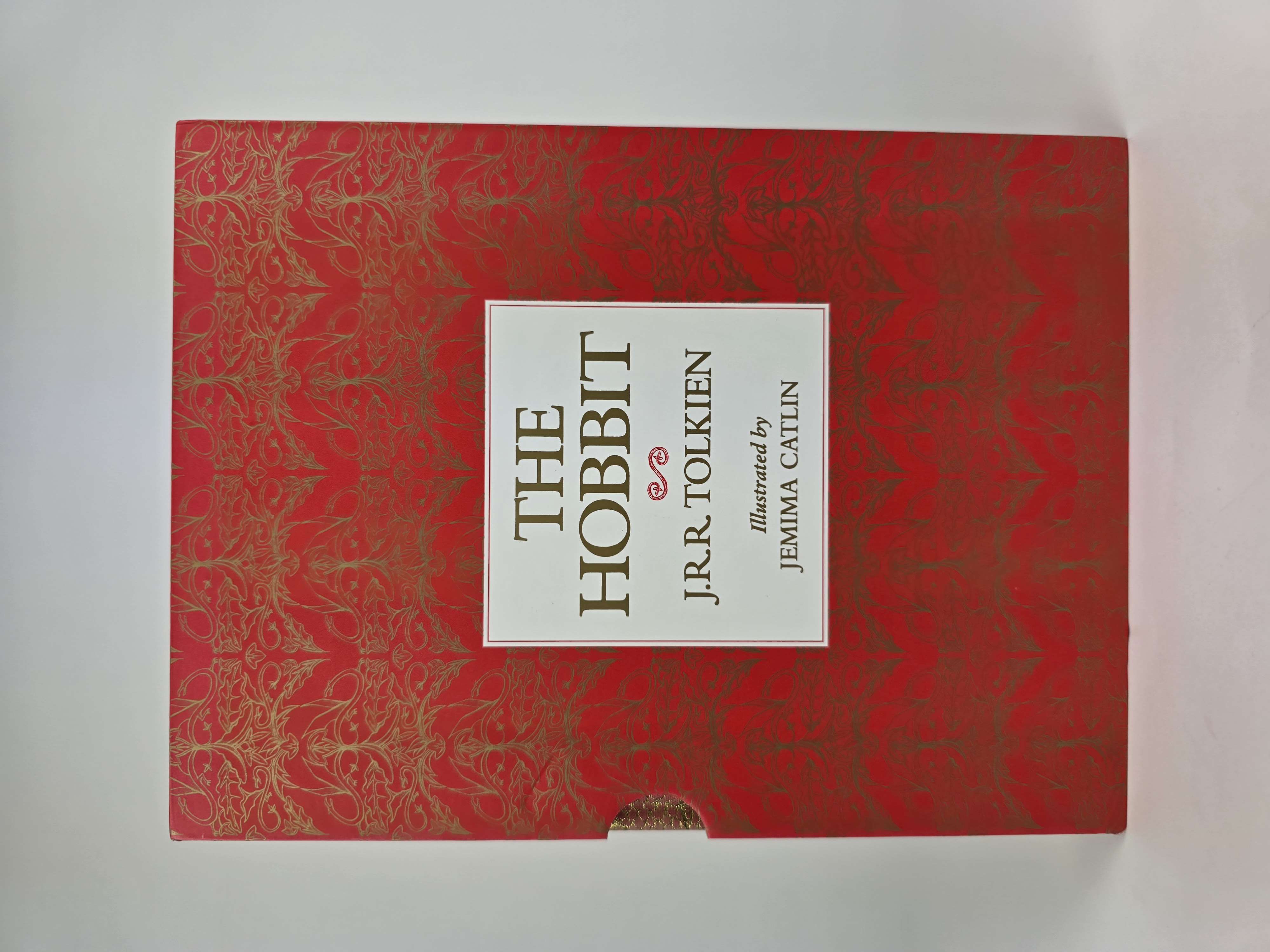
Modern illustrated editions — widely collected, but availability varies depending on edition and condition.
The Role of AI Search Tools
AI tools such as ChatGPT and other search assistants are increasingly used by collectors. They can be helpful for generating search ideas, understanding editions and preparing questions for sellers.
However, they do not replace meta search tools. AI systems rely on indexed information and may miss live listings, confuse editions or summarize outdated pages.
For collecting purposes, AI should be used as a research tool rather than a source of truth.
The Real Collector Workflow
Experienced collectors rarely rely on a single method. Instead, they combine several layers of searching.
Start with a meta search tool such as viaLibri
Cross-check results with BookFinder
Search regional and foreign-language platforms
Check auction aggregators for unique material
Verify rarity using library databases
Contact dealers or use want lists for scarce items
This layered approach increases the chances of finding better copies, better prices and sometimes the only available copy.
From Searching to Finding the Right Copy
After using meta search tools and exploring different platforms, you will often have a better idea of what you are looking for. The next step is finding a copy that meets your expectations in terms of edition, condition and price.
The Tolkien Library Rare Book Store brings together carefully selected Tolkien books, including rare editions, signed copies, deluxe publications and hard-to-find titles. Unlike broad marketplaces, it focuses specifically on Tolkien material and collector-quality copies.
You can browse current availability, compare editions and, if you are searching for something specific, make use of a want list to be notified when suitable copies appear.
For collectors, combining structured search methods with trusted sources often leads to the best results.
Final Thoughts
Meta search tools are one of the most powerful resources available to Tolkien collectors, but they are only the beginning. The real advantage comes from understanding how they work, where they fall short and how to combine them with other methods.
The more sources you use, the more complete your view of the market becomes — and the greater your chances of finding the right book.
For the next step, continue with databases or return to the broader search tips guide.