Books About J.R.R. Tolkien
J.R.R. Tolkien’s works have left an indelible mark on literature and culture, but to fully understand Middle-earth and its far-reaching influence, it’s essential to explore the life of the man behind the mythology. Learning about Tolkien himself opens a window into the depth of his imagination, the sources of his creativity, and how his personal experiences shaped the stories we love today. From his formative years to his experiences in World War I, his career as a philologist, and his friendships with fellow writers, Tolkien’s life is as fascinating as his work.
Why Read About J.R.R. Tolkien?
Tolkien is more than just an author of fantasy tales. He was a groundbreaking academic, a keen linguist, a veteran of the First World War, and a devout Catholic—all of which heavily influenced his writing. Understanding his background allows readers to grasp the broader context of his work, from the themes of good versus evil to the depth of his world-building. Reading about Tolkien also enhances our appreciation of the languages, histories, and legends he created for Middle-earth. His life sheds light on why he meticulously crafted Elvish languages or why his stories, filled with environmental and moral concerns, continue to resonate today. Additionally, as interest in his work continues with adaptations like The Rings of Power, the demand for deeper insights into Tolkien’s personal and creative life has only grown.
Biographies and Life Stories
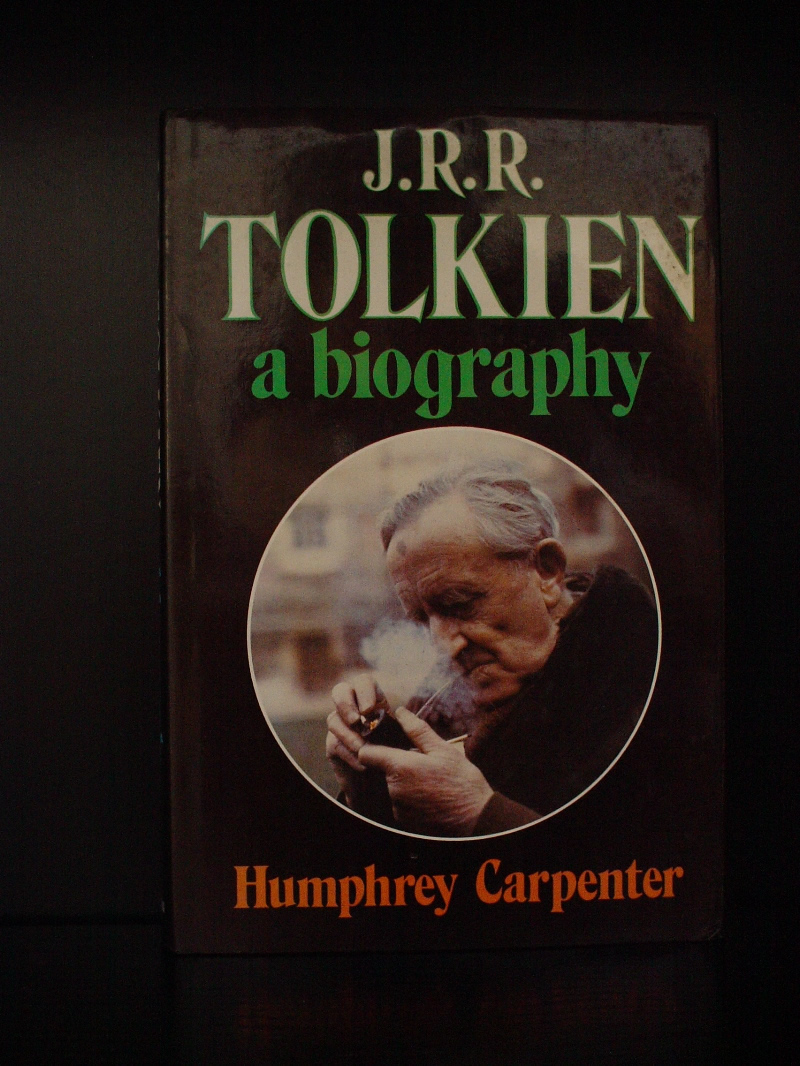
• J.R.R. Tolkien a Biography by Humphrey Carpenter (1977)
The definitive biography on Tolkien’s life, offering unparalleled access to his personal papers and family insights. This book covers his journey from his early years to his rise as one of the 20th century’s most influential writers.
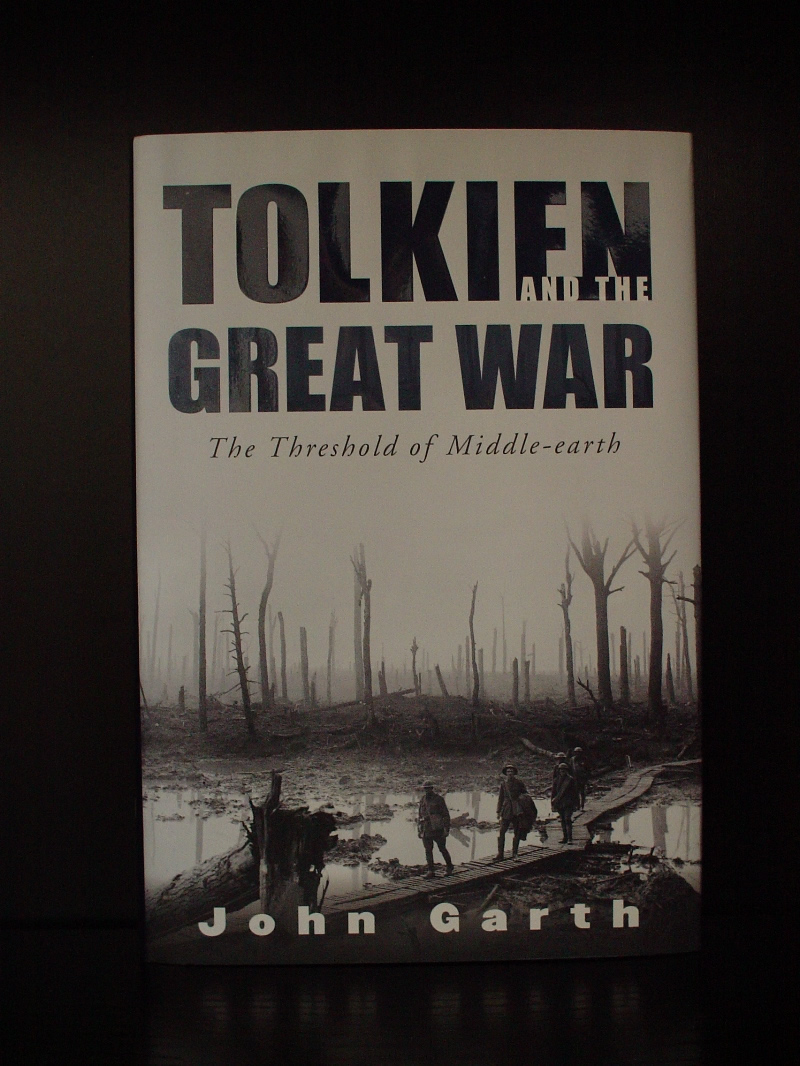
• Tolkien and the Great War: The Threshold of Middle-earth by John Garth (2003)
Garth connects Tolkien’s experiences during World War I with the creation of his mythology, particularly The Silmarillion. A must-read for those wanting to understand how Tolkien’s personal history influenced his fiction.
• Tolkien by Raymond Edwards (2014)
A biography with a strong focus on Tolkien’s academic life, this book examines his philological expertise and its influence on his fiction. Edwards offers a rich portrait of Tolkien as a professor, scholar, and creative visionary.
• Tolkien’s Faith: A Spiritual Biography by Holly Ordway (2023)
Ordway explores Tolkien’s deep Catholic faith and how it shaped his worldview and narratives. Ideal for those interested in how spirituality underpinned Tolkien’s literary and personal life.
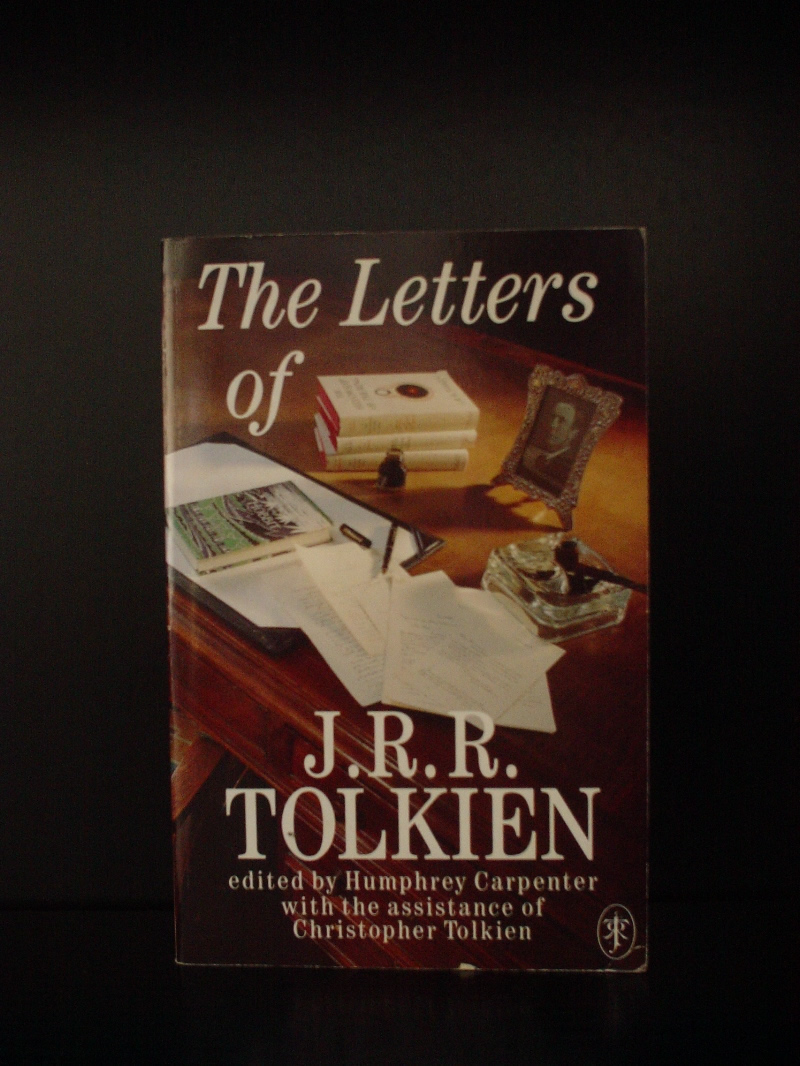
• The Letters of J.R.R. Tolkien (1981, Expanded 2023), edited by Humphrey Carpenter
This essential collection of letters gives readers a window into Tolkien’s thoughts on his works, including discussions about his mythology, characters, and personal reflections on his life and creative process.
Books on Tolkien’s Writing and Creative Process
• The Road to Middle-earth by Tom Shippey (1982)
Shippey explores how Tolkien’s academic background in philology and medieval literature influenced his world-building. This work is vital for understanding how Tolkien’s knowledge of language shaped the world of Middle-earth.
• Splintered Light: Logos and Language in Tolkien’s World by Verlyn Flieger (2002)
Flieger provides a deep analysis of how language and light are central to Tolkien’s mythology, particularly in The Silmarillion. A rich examination of the symbolic undercurrents in Tolkien’s work.
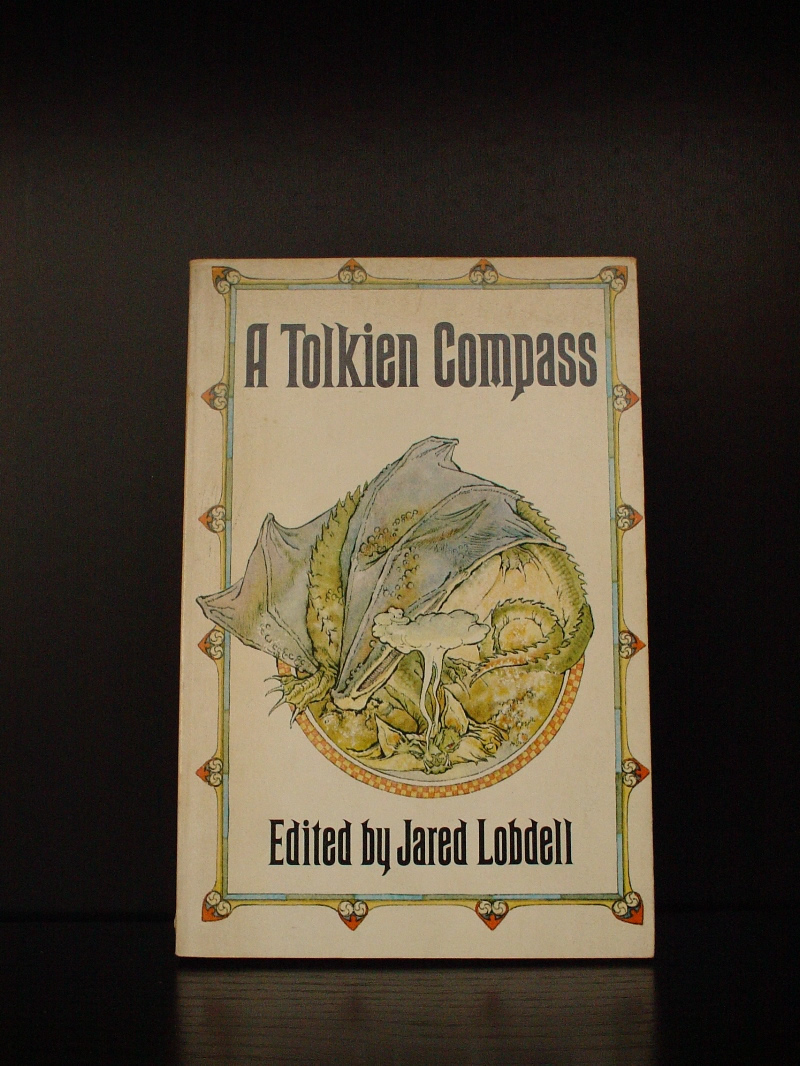
• A Tolkien Compass, edited by Jared Lobdell (1975)
A pioneering collection of essays, A Tolkien Compass offers early scholarly interpretations of The Lord of the Rings and Tolkien’s use of myth, narrative, and linguistic innovation.
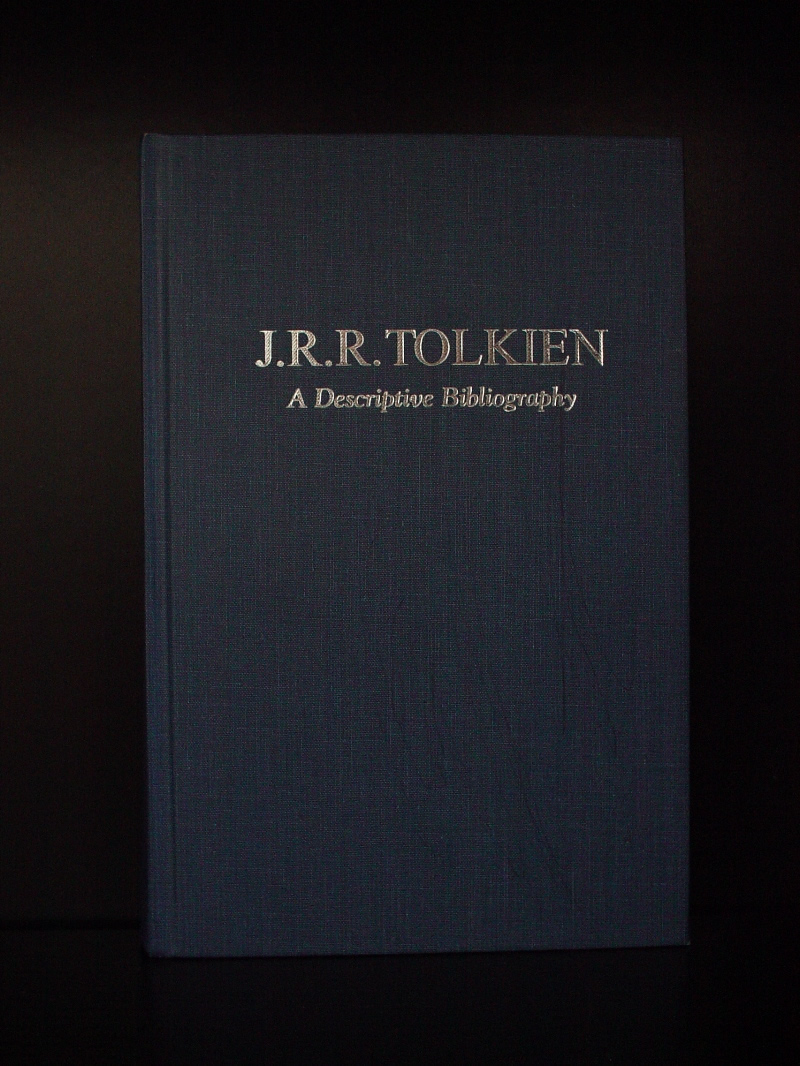
• J.R.R. Tolkien: A Descriptive Bibliography by Wayne G. Hammond with the assistance of Douglas A. Anderson (1993; reprinted 2002)
This book is a meticulous account of the publication history of Tolkien’s works, making it essential for scholars and collectors interested in Tolkien’s bibliography.
Books on Tolkien’s Cultural Impact and Legacy
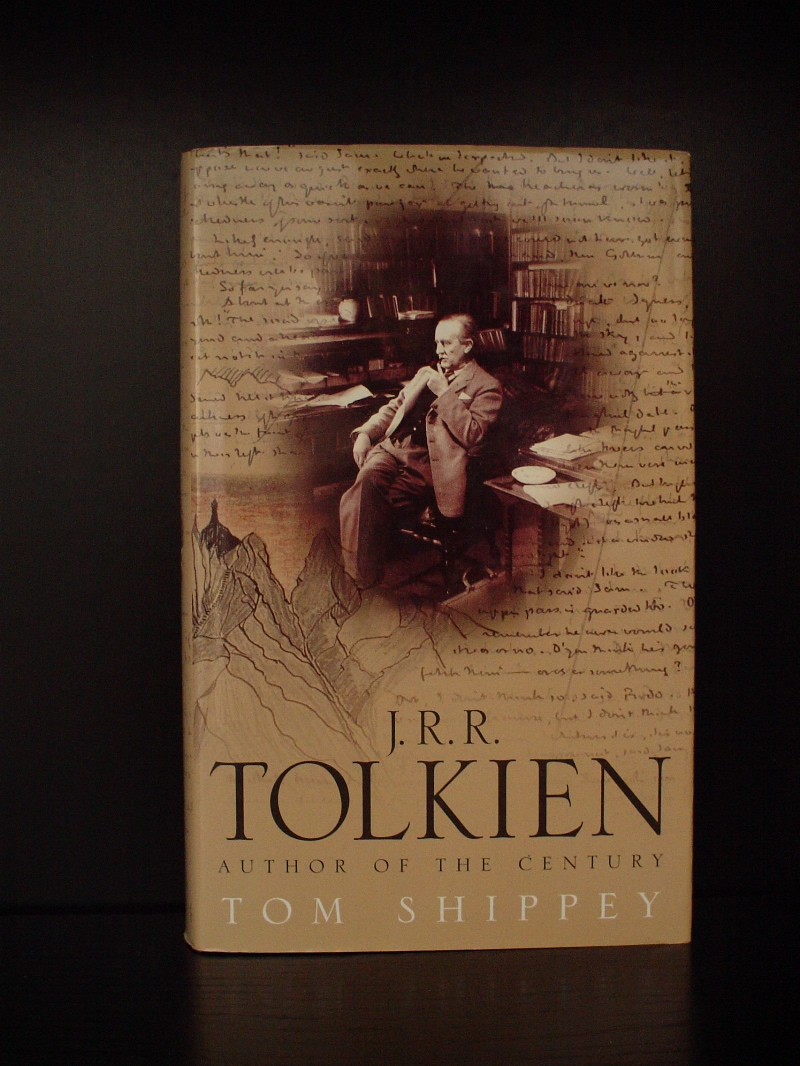
• J.R.R. Tolkien: Author of the Century by Tom Shippey (2000)
Shippey presents a strong case for Tolkien’s importance in 20th-century literature, focusing on how his works revived medieval and mythological traditions in modern storytelling.
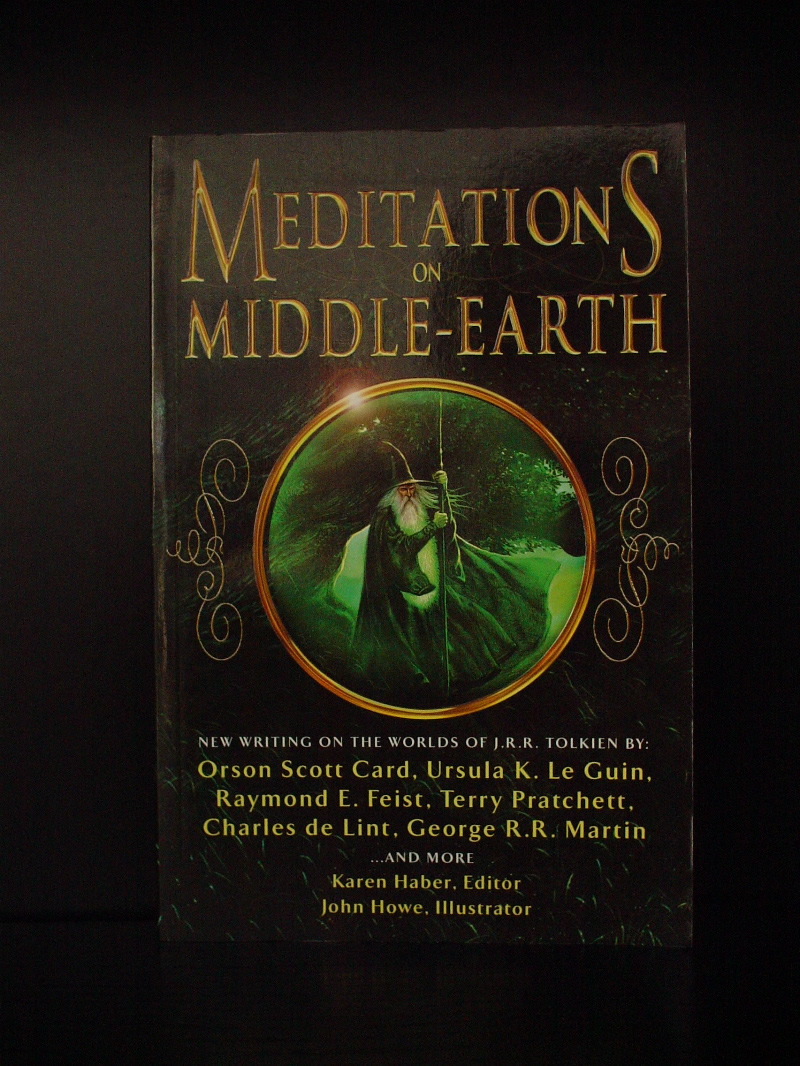
• Meditations on Middle-earth edited by Karen Haber (2001)
Featuring essays by fantasy writers like George R.R. Martin and Ursula K. Le Guin, this collection explores Tolkien’s profound influence on modern fantasy literature.
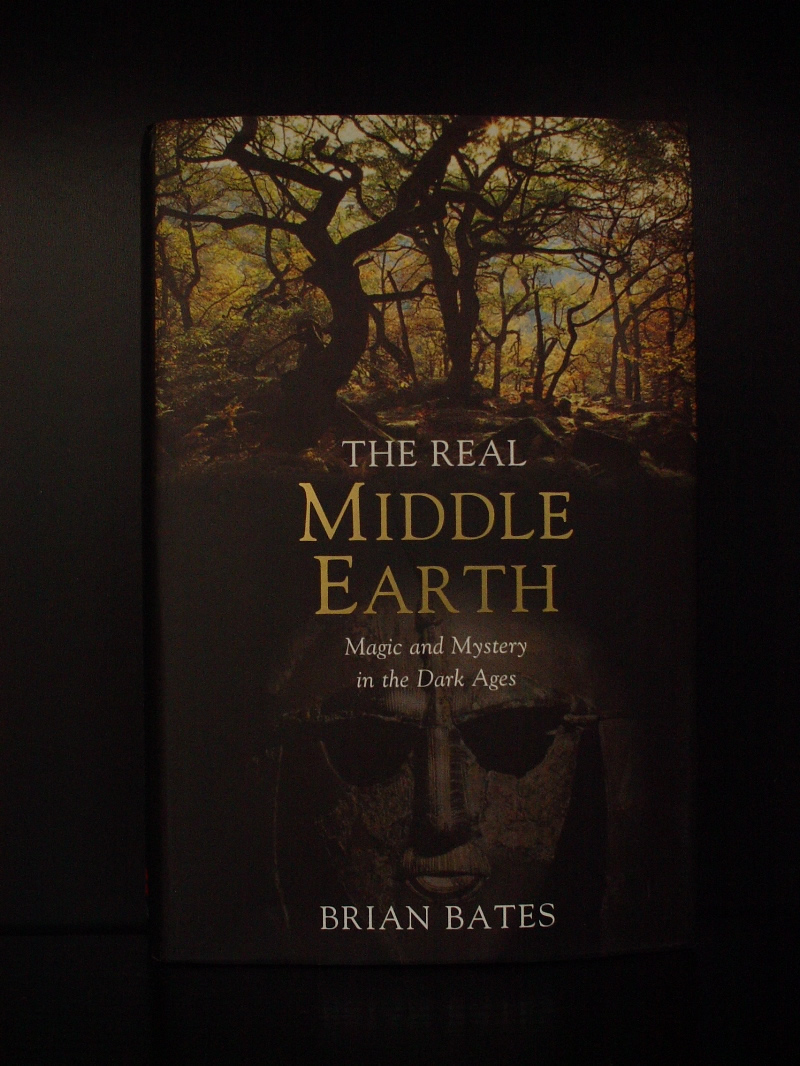
• The Real Middle-earth, by Brian Bates (2002)
Bates examines how the landscapes, myths, and legends of ancient Northern Europe shaped the world of Middle-earth, offering readers a deeper understanding of Tolkien’s influences.
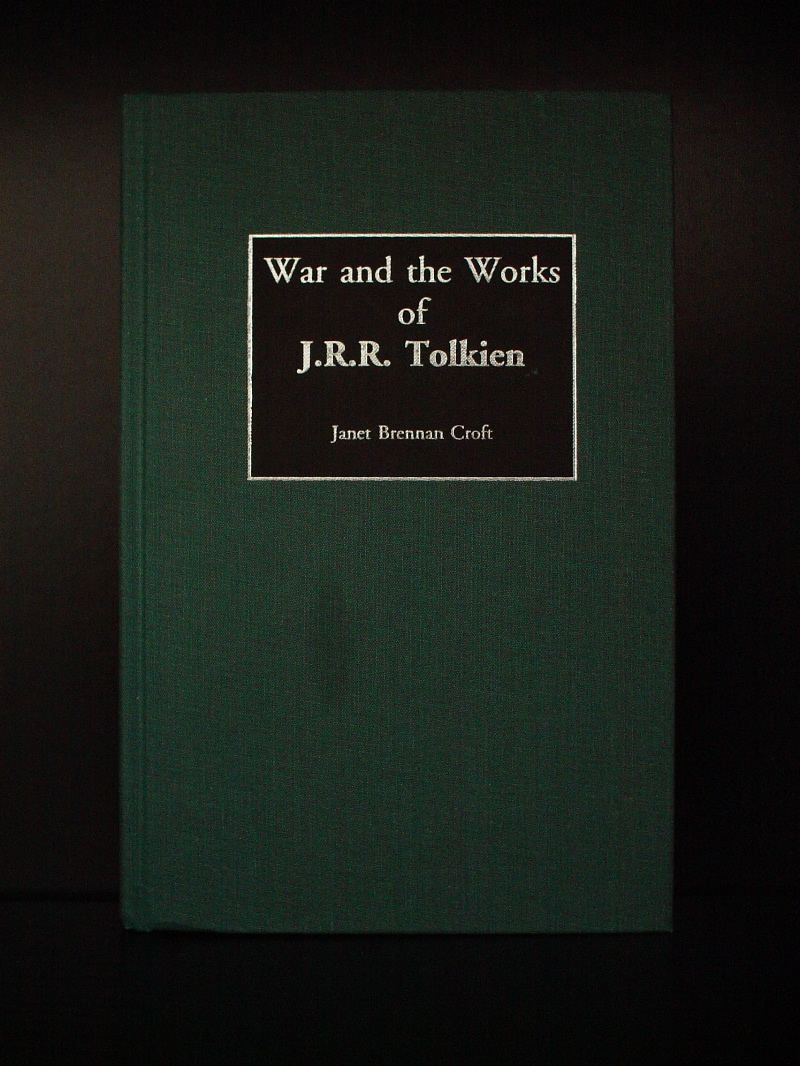
• War and the Works of J.R.R. Tolkien, by Janet Brennan Croft (2004)
Croft explores the effects of Tolkien’s war experiences on his depiction of conflict, leadership, and heroism in The Lord of the Rings.
Tolkien as an Artist
• J.R.R. Tolkien: Artist and Illustrator by Wayne G. Hammond & Christina Scull (1995)
This book reveals Tolkien’s talent as an artist, featuring his paintings, sketches, and maps of Middle-earth. It showcases how Tolkien’s visual creativity complemented his literary genius.
• Tolkien: Maker of Middle-earth by Catherine McIlwaine (2018)
Published alongside the Bodleian Library’s exhibition, this work includes a stunning collection of Tolkien’s manuscripts, letters, and artwork. It’s one of the most comprehensive resources for understanding Tolkien’s multifaceted creativity.
Additional Noteworthy Books
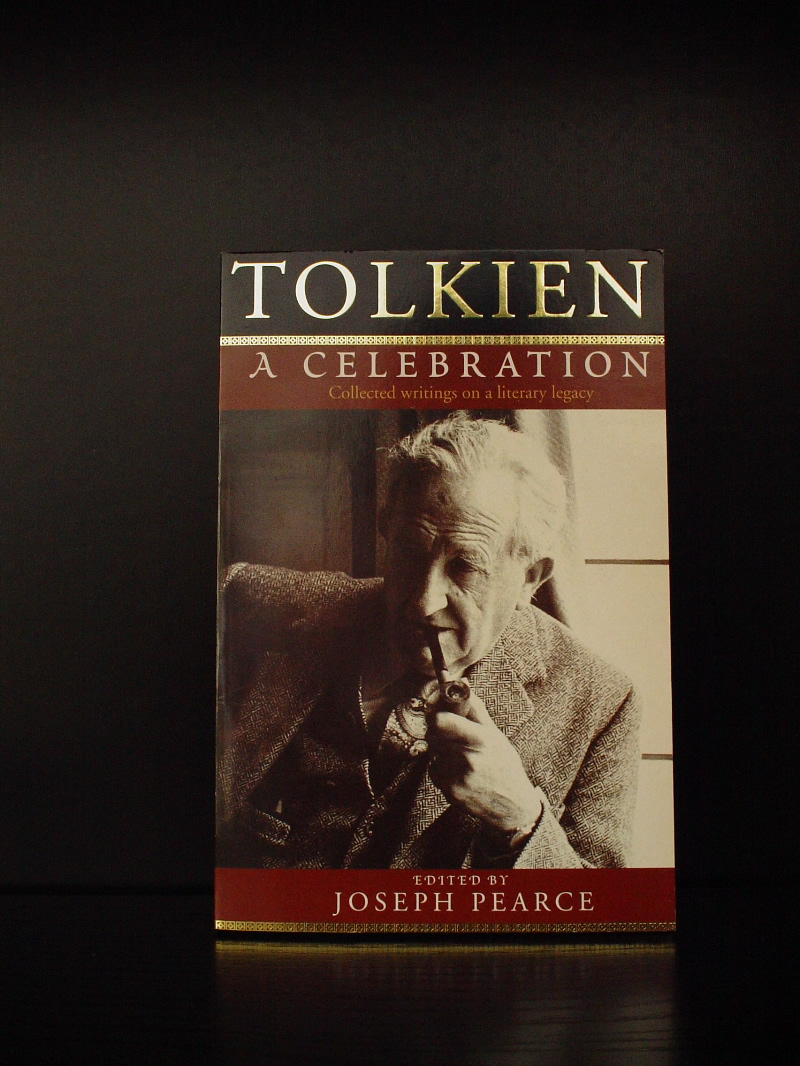
• Tolkien: A Celebration edited by Joseph Pearce (1999)
A collection of essays celebrating Tolkien’s work, this book includes contributions from various scholars and authors reflecting on his lasting literary impact.
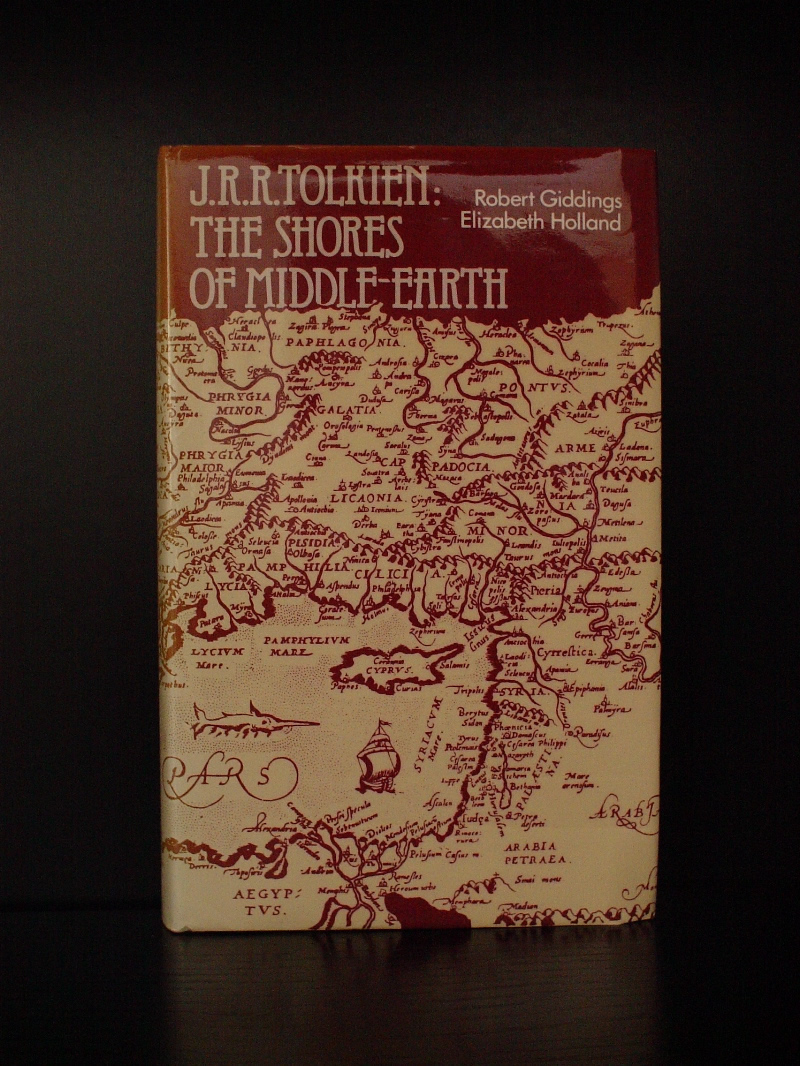
• J.R.R. Tolkien: The Shores of Middle-earth by Robert Giddings and Elizabeth Holland (1981)
An early critical study of Tolkien’s literary and cultural sources. Its interpretations are discussed critically on the linked review page.
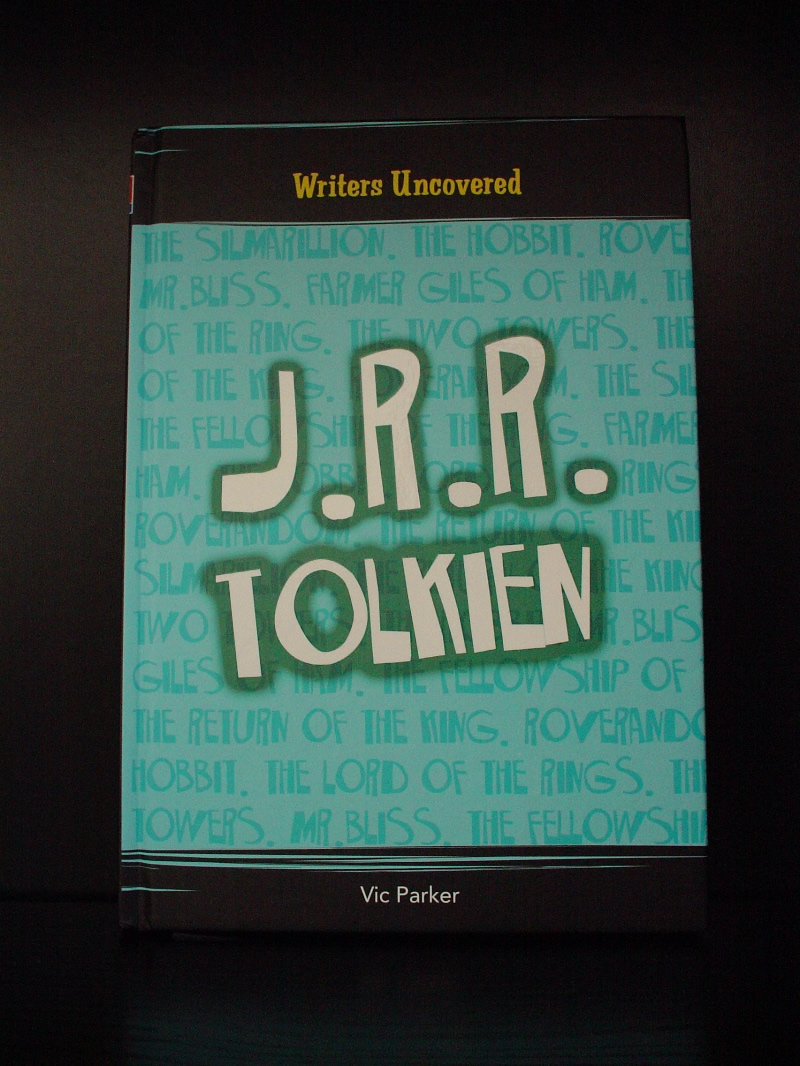
• Writers Uncovered: J.R.R. Tolkien by Vic Parker (2006)
An accessible biography aimed at younger readers, this book provides an introduction to Tolkien’s life, work, and influence on literature.