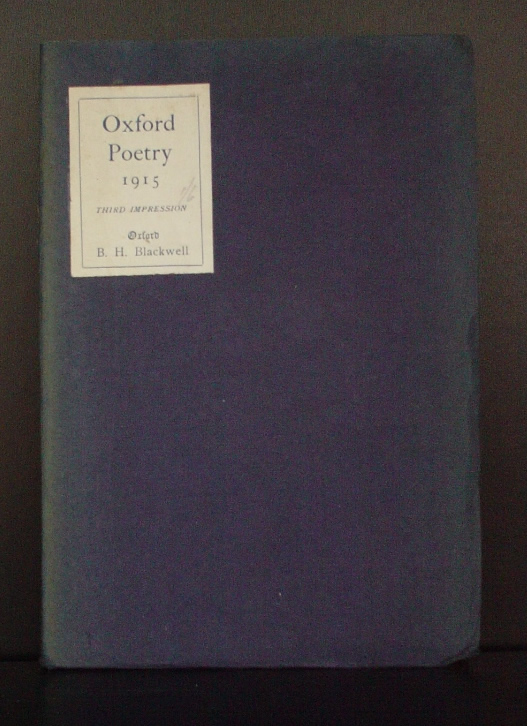
Books edited, translated, or with contributions by J.R.R. Tolkien

This section brings together Tolkien’s editorial work, translations, poetry and contributions to other authors’ books, from academic scholarship to music and biography.

In this section you can find books to which Tolkien contributed, ranging from work as part of the editorial staff to helping and advising behind the scenes. Tolkien spent a great deal of time helping others, and many of the works that resulted from this generous help are not usually mentioned as his work, although they contain his contributions.

It is said that Tolkien spent hours and hours with his students (I wish I could have been one of them), giving them so much help that, in the end, their work was almost completely his. His fellow academic colleagues received the same kind of attention.

All this, of course, results in an impressive list of works to which Tolkien contributed, and to a certain extent the list is still growing. It is very hard to track down every work with contributions by Tolkien, since there are so many. The books also show a great deal of variety: they include poetry (Oxford Poetry, Fifty New Poems for Children), religious texts (The Jerusalem Bible), essays (Essays and Studies, Elizabethan Acting) and more.

Books and contributions continued
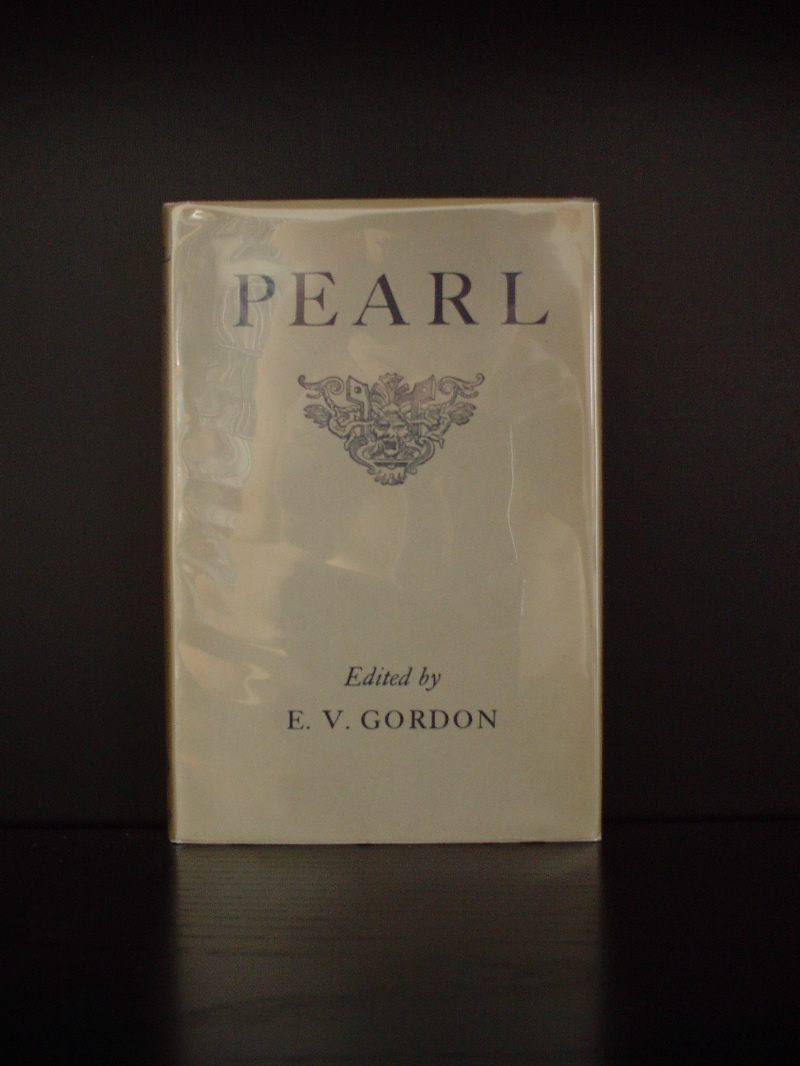
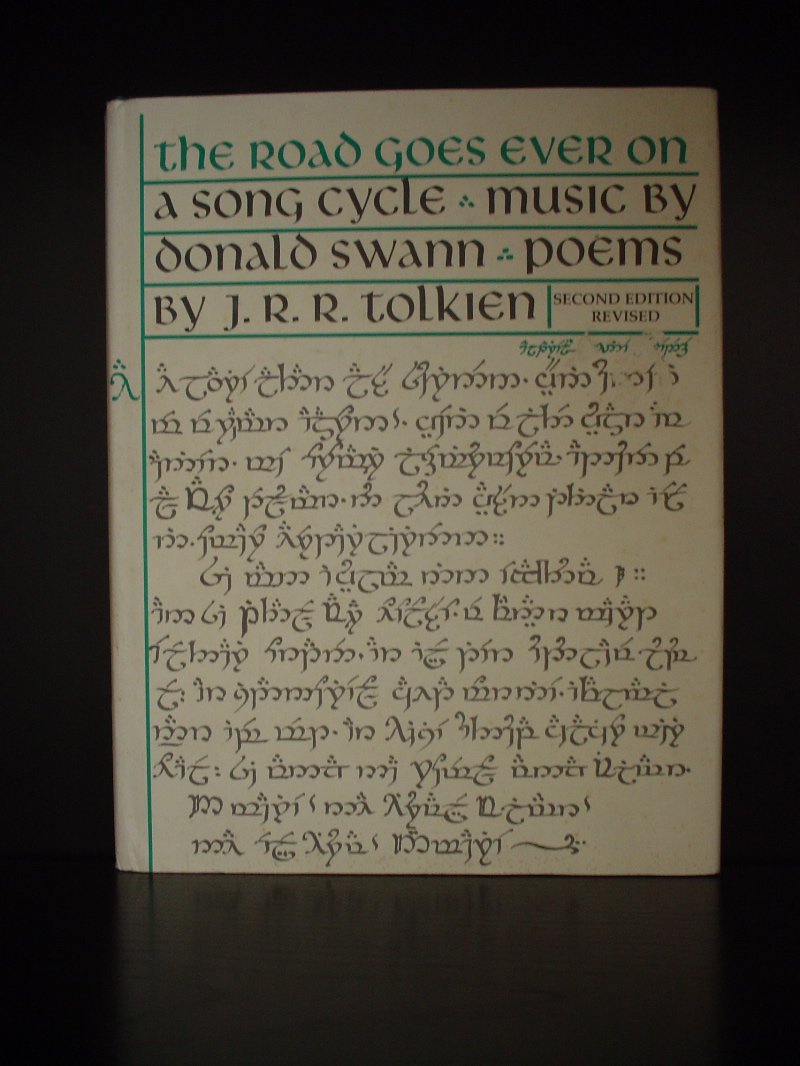
Cover of PearlCover of The Road Goes Ever On

Sir Orfeo

Pearl

The Ancrene Riwle

Ancrene Wisse

The Road Goes Ever On

Attacks of Taste

Sir Gawain and the Green Knight, Pearl, and Sir Orfeo

J.R.R. Tolkien: A Biography

The Inklings

Finn and Hengest

Reading Tolkien on Beowulf

If you want to read the poem in Tolkien’s English, start with Beowulf: A Translation and Commentary. His prose translation ran from the first line to the last by 1926. Christopher Tolkien published it in 2014 with a commentary drawn from his father’s lectures and Sellic Spell, a tale in which Tolkien imagined an earlier form of Beowulf’s story.

For Tolkien’s reading of the poem, turn to his 1936 lecture ‘Beowulf: The Monsters and the Critics’. Read the fight with Grendel beside the fight with the dragon. In the first, Beowulf is a young man making his name. In the last, he is an old king facing his death. Tolkien makes the two fights central to the shape of the poem. The lecture was reprinted in The Monsters and the Critics and Other Essays in 1983.

The title page of the 1940 Beowulf and the Finnesburg Fragment gives Tolkien a different role. John R. Clark Hall translated the poem, C. L. Wrenn revised the translation, and Tolkien wrote the prefatory remarks. You can read those remarks as ‘On Translating Beowulf’ in the same 1983 collection.