Articles & interviews

Every year on 3rd January, readers around the world pause to celebrate the life and legacy of J.R.R. Tolkien. This year marks what would have been his 120th birthday—a perfect moment to reflect on the enduring impact of the man behind Middle-earth.
Traditionally, fans gather at 9 pm local time to raise a glass and toast “The Professor,” a simple yet powerful tribute that unites Tolkien enthusiasts across the globe. It is a celebration not only of the author himself, but of the stories, languages, and imagination that continue to inspire generation after generation.

Among the many artists inspired by Tolkien’s world, Cor Blok stands apart for his bold, symbolic, and deeply personal interpretation of The Lord of the Rings. In A Tolkien Tapestry, his distinctive paintings move beyond simple illustration, capturing the emotional and narrative essence of Middle-earth in a style that invites the viewer’s own imagination to take part. This remarkable collection offers a rare opportunity to experience Tolkien’s epic not through detailed realism, but through a unique visual language that even the author himself admired.
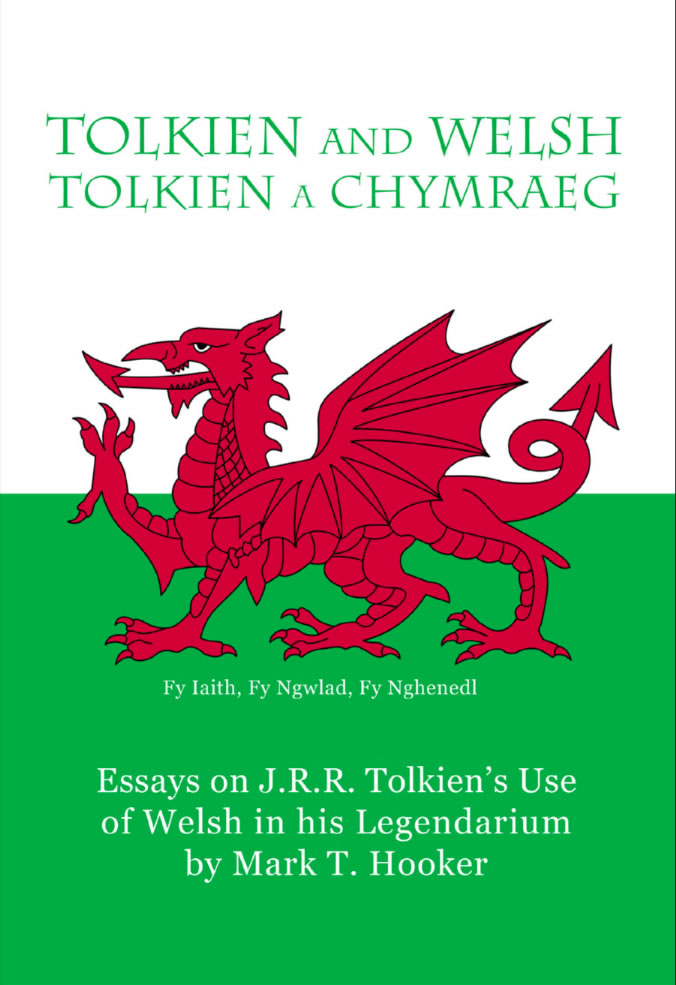
What lies behind the remarkable depth and authenticity of Tolkien’s languages? For many readers, it is precisely this linguistic richness that gives Middle-earth its lasting power. In Tolkien and Welsh, Mark T. Hooker explores the profound influence of the Welsh language and tradition on Tolkien’s work, revealing how names, sounds, and structures drawn from Welsh helped shape the legendarium.
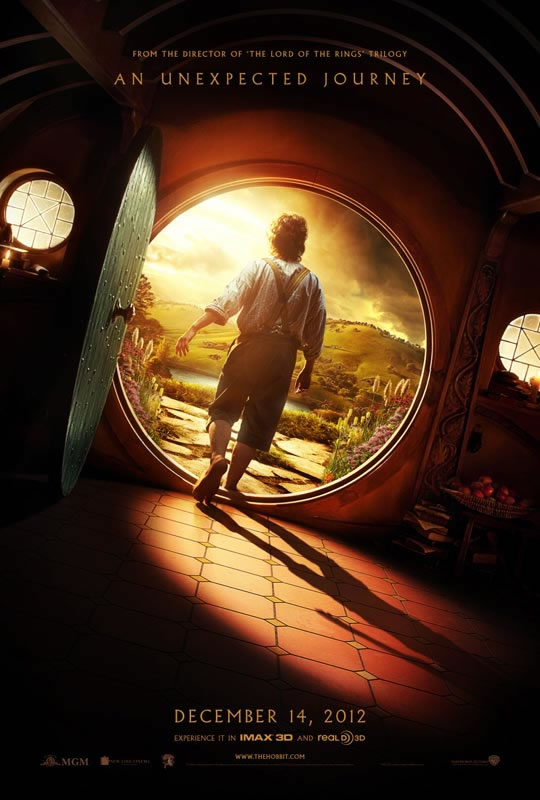
After years of uncertainty, delays, and speculation, the journey back to Middle-earth has finally taken a decisive step forward. With the release of the first trailer for The Hobbit: An Unexpected Journey, fans around the world are given their first glimpse of Peter Jackson’s long-awaited return to Tolkien’s beloved story.
The teaser not only rekindles the familiar atmosphere of Middle-earth, but also sparks a wide range of reactions—from excitement and nostalgia to cautious curiosity. As anticipation builds, one thing becomes clear: whether embraced wholeheartedly or met with hesitation, the road to Erebor has officially begun.

For many Tolkien enthusiasts, the idea of stepping directly into Middle-earth has always felt just out of reach—but that is about to change. In Switzerland, an ambitious new museum dedicated entirely to J.R.R. Tolkien’s world is taking shape, bringing together rare books, original artworks, and immersive environments under one roof. Promising everything from a recreated hobbit hole to life-sized creatures, this remarkable project offers fans a unique opportunity to experience the richness of Middle-earth in a way never before possible.
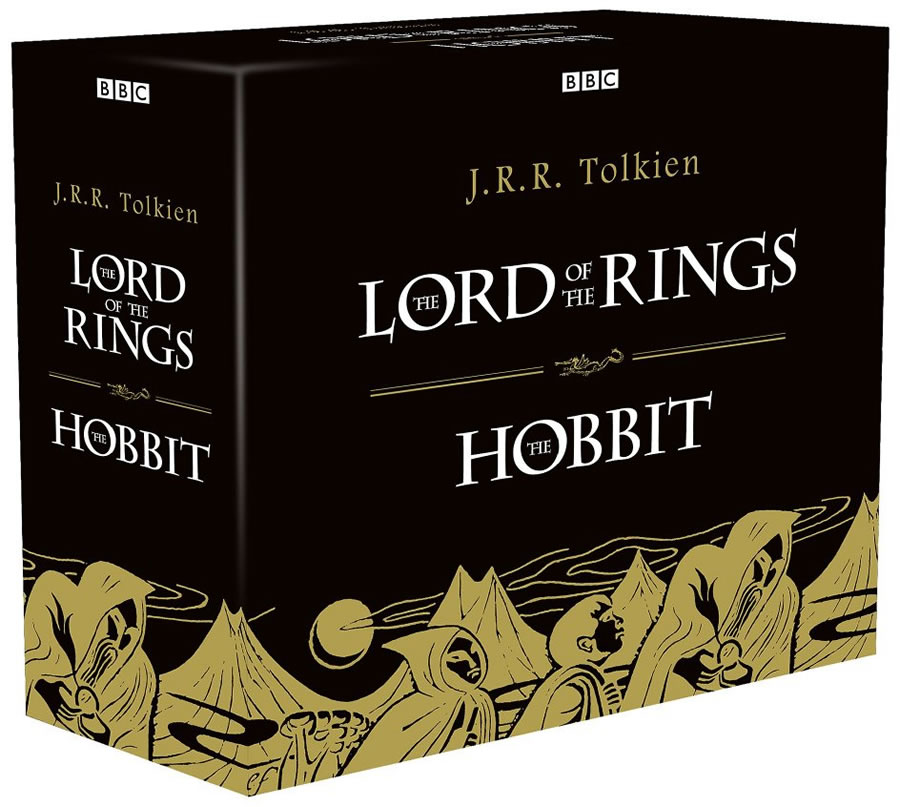
For those who prefer to experience Middle-earth through sound as much as through the written word, this audiobook collection offers something truly special. Bringing together the acclaimed BBC Radio dramatisations of The Lord of the Rings and The Hobbit, it captures the magic of Tolkien’s world through voice, music, and atmosphere. Whether rediscovering the story or encountering it for the first time, this set presents a rich and immersive way to journey once more into Middle-earth.
Product in the Spotlight!
- New

Few things define Hobbit life more clearly than a love of good food, shared generously and enjoyed often. From first breakfast to supper, Tolkien’s stories are filled with moments where meals bring comfort, companionship, and a sense of home. It is perhaps no surprise, then, that Middle-earth has inspired its own culinary explorations.
A Hobbit’s Cookbook takes this idea a step further, gathering together a wide range of recipes inspired by the tastes and traditions of Tolkien’s world. From sweet treats to hearty dishes, the book invites readers to bring a little of the Shire into their own kitchens—offering a playful and imaginative way to experience Middle-earth beyond the page.

This vibrant illustration is one of a set of five, painted by Tolkien in the summer of 1937 for the first American edition of The Hobbit. It is on display at the Bodleian Library until 23 December 2011.
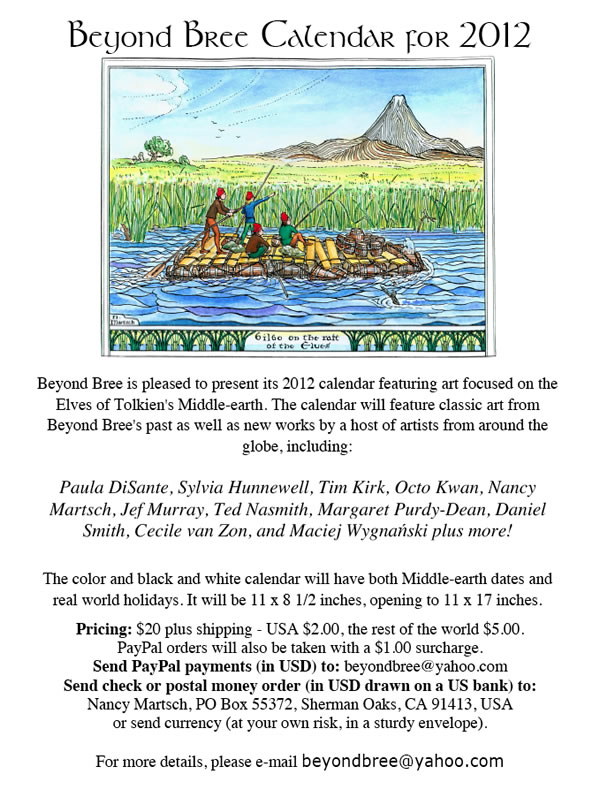
Each year, Tolkien calendars offer a fresh glimpse into Middle-earth, but the 2012 Beyond Bree edition takes a particularly elegant approach. Focusing on the Elves, it brings together a rich selection of artwork—both classic pieces and new creations—from a diverse group of artists inspired by Tolkien’s world. The result is a calendar that not only marks the passing of time, but also celebrates the enduring beauty and artistry of Middle-earth throughout the year.

After the Friesian translation of The Hobbit by Anne Tjerk Popkema, I'm proud to announce that The Lord of the Rings will also receive a Frisian translation. On Friday 25 November in Leeuwarden (in the Netherlands) there will be a presentation of the first volume of this new translation.

As the 75th anniversary of The Hobbit approaches, anticipation is already building—and HarperCollins is not waiting to join the celebration. With a series of carefully planned releases, from a charming pocket edition to richly illustrated collections of Tolkien’s own artwork, the publisher sets the stage for a renewed focus on Bilbo’s timeless journey. It’s an early reminder that even decades later, the magic of Middle-earth continues to inspire new editions, new readers, and fresh excitement.
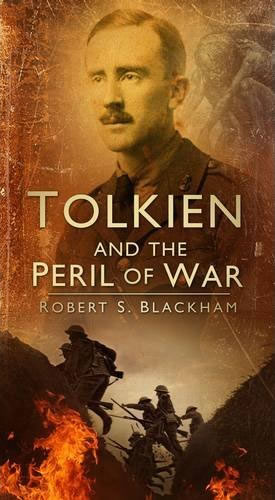
Behind the vast landscapes of Middle-earth lies a far more personal history—one shaped by the realities of war. In Tolkien and the Peril of War, Robert S. Blackham turns to the crucial years of 1914–1918, exploring how Tolkien’s experiences during the First World War left a lasting mark on both his life and his imagination. Richly illustrated and deeply rooted in place, this study offers a compelling look at the real-world events that helped shape one of the greatest mythologies of the twentieth century.
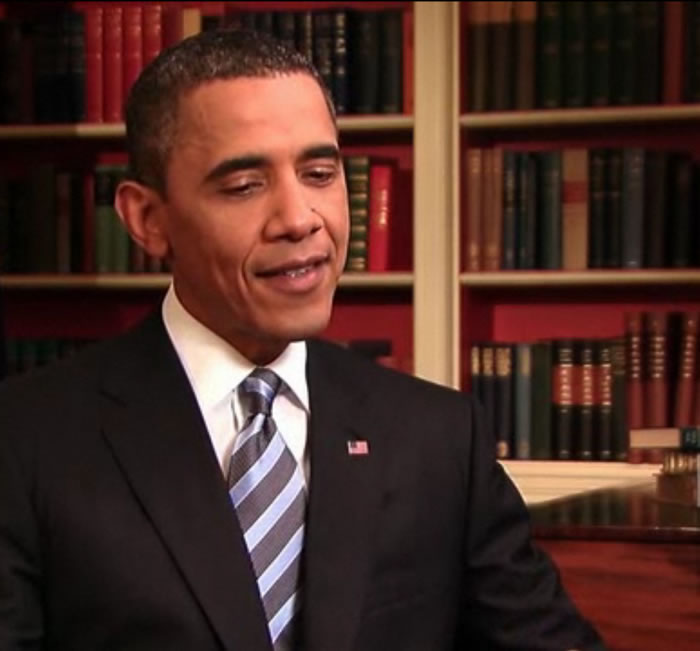
Across the worlds of politics, royalty, cinema, music, and sport, the imagination of J.R.R. Tolkien has left its mark on far more than just readers. From presidents to pop icons, from scholars to storytellers, countless well-known figures have found inspiration, comfort, and wonder in Middle-earth. This article explores a fascinating selection of famous admirers—each drawn, in their own way, to the enduring power of The Lord of the Rings and The Hobbit.

There is no better way to celebrate Tolkien’s world than by embracing the simple pleasures of the Shire. On Hobbit Day, fans across the globe come together to honour Bilbo and Frodo with good food, laughter, and a touch of adventure. Whether you’re planning a small gathering or a full feast worthy of Bag End, this guide offers a few delightful ideas to help you truly party like a Hobbit.
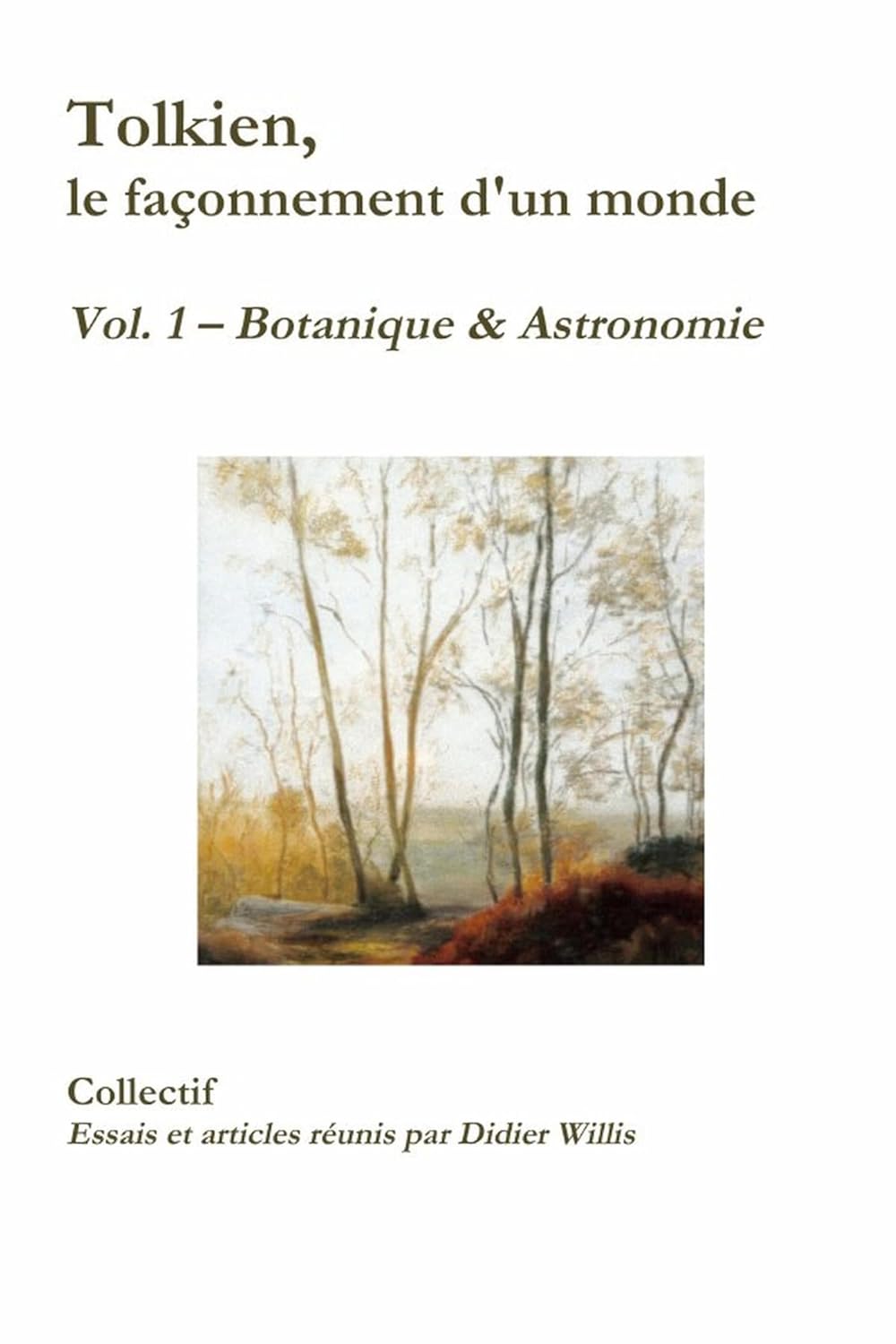
Tolkien’s world is often admired for its grand narratives, but its true depth lies in the smallest details—the trees that shape its landscapes and the stars that guide its journeys. Tolkien, le façonnement d’un monde explores these subtle yet essential elements, bringing together a collection of essays that delve into the botany and astronomy of Middle-earth. This first volume offers a thoughtful and richly detailed perspective on how Tolkien’s careful attention to nature and the cosmos helped give his imagined world its remarkable sense of reality.
D.G. Pashte of Pune-based Diamond Publications and his son Nilesh set out to secure the copyright for translating The Hobbit into Marathi six months ago. Today, the translated version is ready for a formal launch, making it the first one in any Indian language.

Tolkien’s stories have crossed borders and languages for decades, finding new life in every translation. With the release of De Hobbit in Frisian as an audiobook, Bilbo’s journey can now be experienced in a language rich in history and closely tied to the roots of English itself. Read by translator Anne Tjerk Popkema, this edition offers a unique and immersive way to rediscover a familiar tale—opening Middle-earth to both native speakers and those curious to hear Tolkien’s words in a different linguistic voice.

Back in 1986 the only brick-and-mortar shop in the world entirely dedicated to J.R.R. Tolkien was founded in Leiden, Holland. While we get set for the onslaught of The Hobbit movies it is time to celebrate the 25th anniversary with a nice Tolkien festival in the shop in Leiden.

Tolkien’s world has always inspired readers to share their own stories, reflections, and passions—and sometimes that enthusiasm grows into something larger. At The World’s Strongest Librarian, one such initiative takes shape in the form of a full “Tolkien Month,” inviting fans to explore Middle-earth from every angle. From personal memories to lively discussions, it’s a celebration that reminds us how deeply Tolkien’s work continues to resonate—and how much there still is to discover together.

For those who wish to go beyond simply reading Tolkien and truly understand the depth of his work, opportunities like this are rare. The online course J.R.R. Tolkien: Myth and Middle-earth in Context offers a structured and insightful journey into the influences, themes, and cultural background that shaped his legendarium. Open to students around the world, it provides a unique chance to explore Middle-earth from an academic perspective—guided by expert teaching and supported by a rich range of scholarly resources.
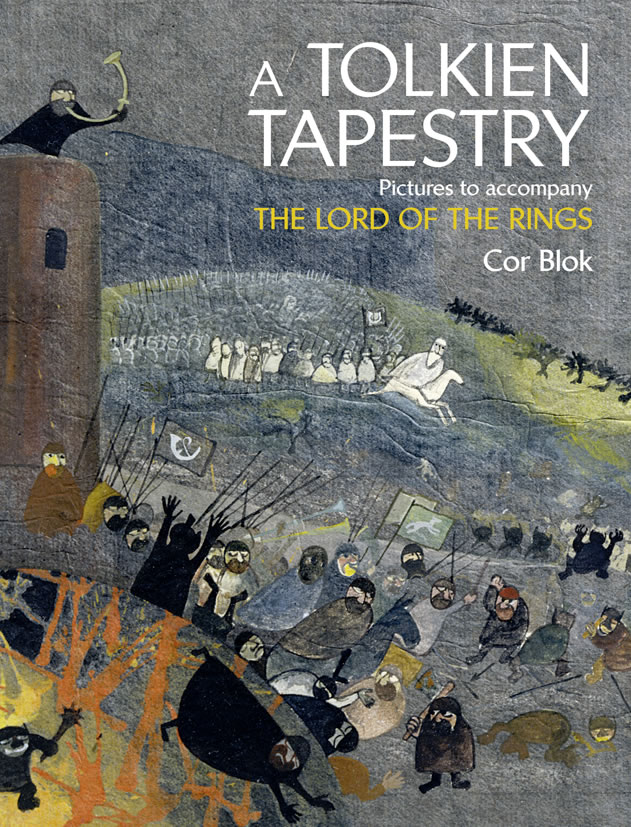
Tolkien-inspired art has always sparked strong reactions—admiration, curiosity, and sometimes outright debate. When an artist moves away from traditional, highly detailed interpretations of Middle-earth, the conversation only grows louder. In this thoughtful reflection, Ruth Lacon explores the nature of looking at art over time, using Cor Blok’s striking and unconventional Lord of the Rings illustrations as a starting point for a deeper discussion on how we experience, question, and ultimately live with art.
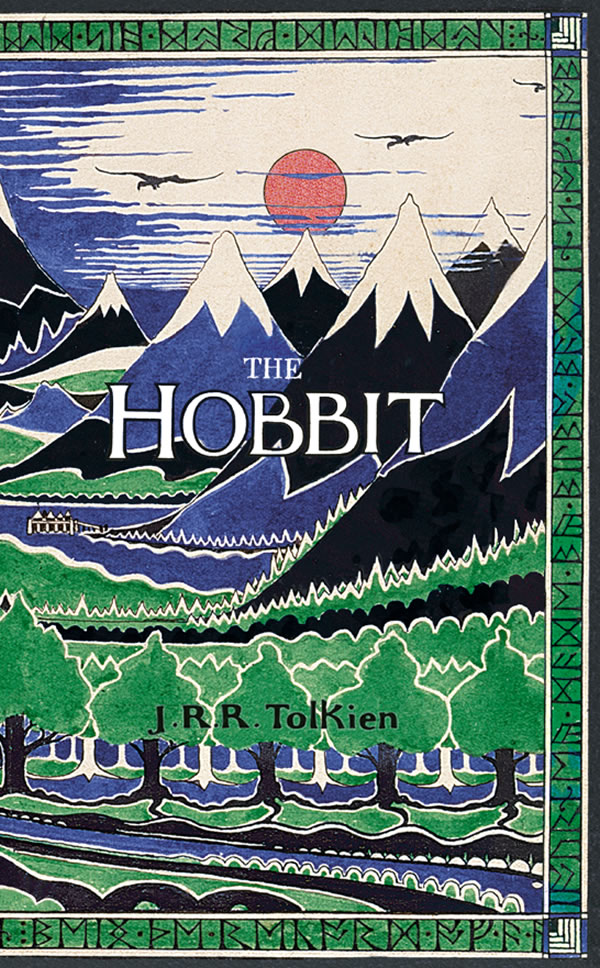
Seventy-five years after its first publication, The Hobbit continues to find new ways to delight readers—this time in a charming format designed to be carried wherever the road may lead. With the release of a special pocket-sized hardcover edition, Tolkien’s beloved tale becomes more accessible than ever, inviting both longtime fans and new readers to keep Bilbo’s adventure close at hand. A fitting tribute to a story that has never lost its sense of wonder.

For the first time, Tolkien’s own artistic vision of The Hobbit is brought together in a single, beautifully curated volume. The Art of The Hobbit, compiled by Wayne Hammond and Christina Scull, offers a rare glimpse into the imagination of the author himself—revealing sketches, paintings, and maps that shaped the world of Bilbo Baggins long before it reached readers. It is both a celebration of Tolkien’s creativity and an essential work for anyone who wishes to see Middle-earth as he first envisioned it.

For collectors and Tolkien enthusiasts alike, few announcements spark as much excitement as the promise of a true facsimile edition. To mark the 75th anniversary of The Hobbit, HarperCollins prepares to revisit the very first 1937 printing—offering readers a rare chance to experience Bilbo’s adventure exactly as it originally appeared. If realised with care and attention to detail, this edition could become one of the most desirable modern tributes to Tolkien’s enduring classic.
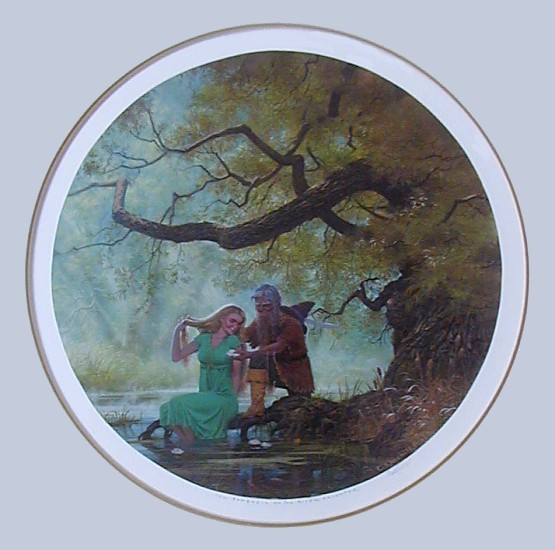
Opportunities to acquire original Tolkien-inspired artwork are rare—and when they do arise, they rarely come with such urgency and purpose. Acclaimed illustrator Ted Nasmith has placed a selection of his original paintings up for auction, offering collectors a chance to own unique pieces drawn from the rich visual tradition of Middle-earth. With proceeds supporting a personal cause close to the artist, this is not only a remarkable moment for collectors, but also a meaningful way to support one of Tolkien’s most celebrated interpreters.

Few books invite readers so deeply behind the scenes of Tolkien’s creative process as The History of the Hobbit. Now presented in a revised and updated one-volume edition, John D. Rateliff’s monumental study brings together the evolution of Bilbo’s adventure in a more accessible and unified form. From early drafts to later revisions, it offers a fascinating glimpse into how one of the most beloved stories in modern literature was shaped, refined, and ultimately brought to life.
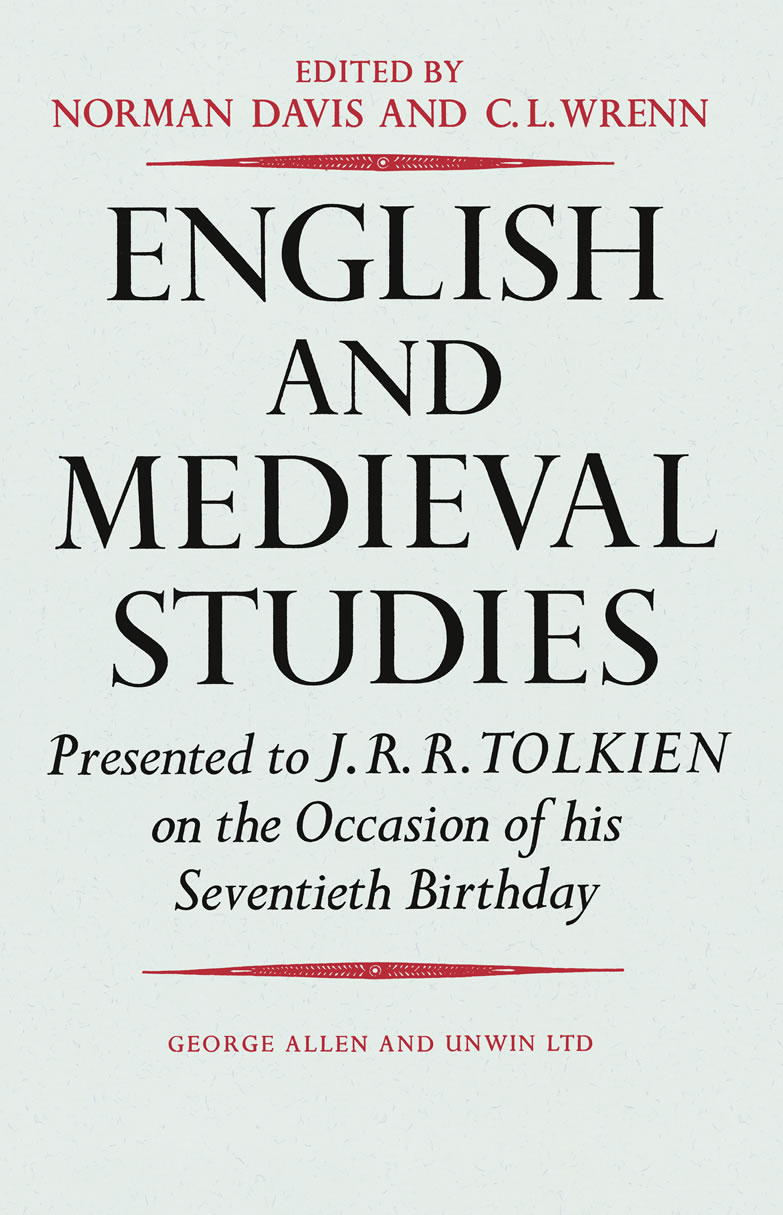
Some books stand quietly in the background of Tolkien’s legacy, yet carry immense scholarly and historical importance. English and Medieval Studies, originally presented to J.R.R. Tolkien on the occasion of his seventieth birthday, is one such work—a tribute from colleagues and friends that reflects the depth of his influence in the academic world. Now, with HarperCollins bringing this long out-of-print volume back into circulation, a new generation of readers has the opportunity to rediscover a remarkable collection that honours Tolkien not as a storyteller, but as a scholar.

Few scholars have shaped modern Tolkien studies as profoundly as Tom Shippey, whose work continues to illuminate the deep literary and linguistic roots of Middle-earth. In this open lecture, Shippey turns his attention to The Legend of Sigurd and Gudrún, exploring how Tolkien engages with the Old Norse tradition and, as he himself put it, “writes into the gap” left by the surviving sources. The result is a compelling insight into Tolkien’s creative process and his dialogue with the northern myths that inspired him.
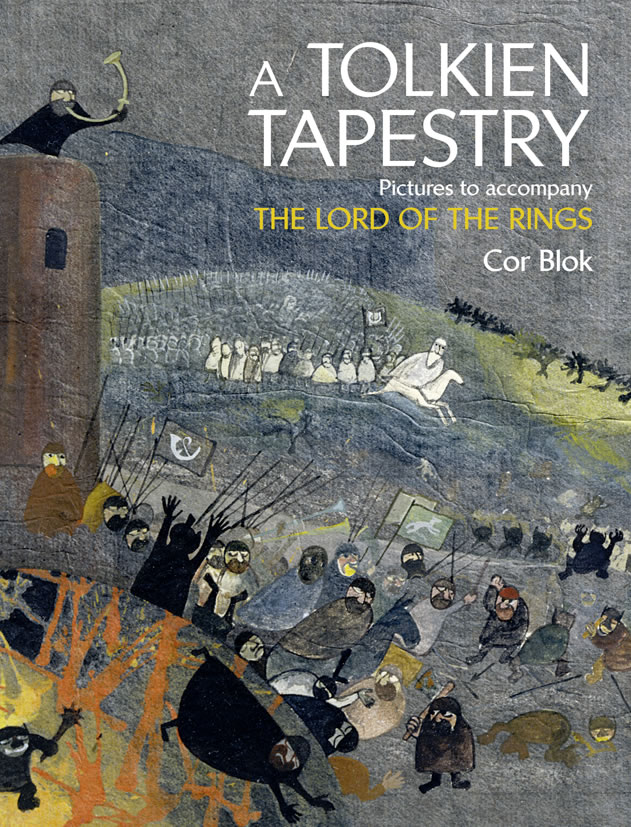
Tolkien’s world has inspired countless artists, yet few interpretations are as distinctive and enduring as those of Cor Blok. In A Tolkien Tapestry, more than a hundred of his paintings are brought together for the first time in a single volume, offering a complete visual journey through The Lord of the Rings. Both bold and deceptively simple in style, Blok’s work captures the essence of Tolkien’s narrative in a way that is at once personal, imaginative, and unmistakably unique.
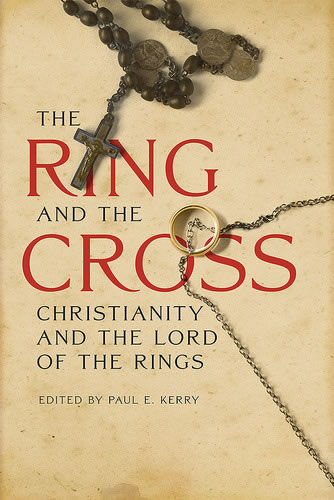
Debate about the role of Christianity in Tolkien’s work has been ongoing for decades, often passionate and rarely settled. The Ring and the Cross, edited by Paul E. Kerry, brings together a wide range of scholars to examine this question from multiple perspectives, exploring both subtle influences and more direct interpretations within The Lord of the Rings and beyond. By presenting these differing viewpoints side by side, the volume offers readers a thoughtful and balanced way to engage with one of the most enduring discussions surrounding Tolkien’s legacy.
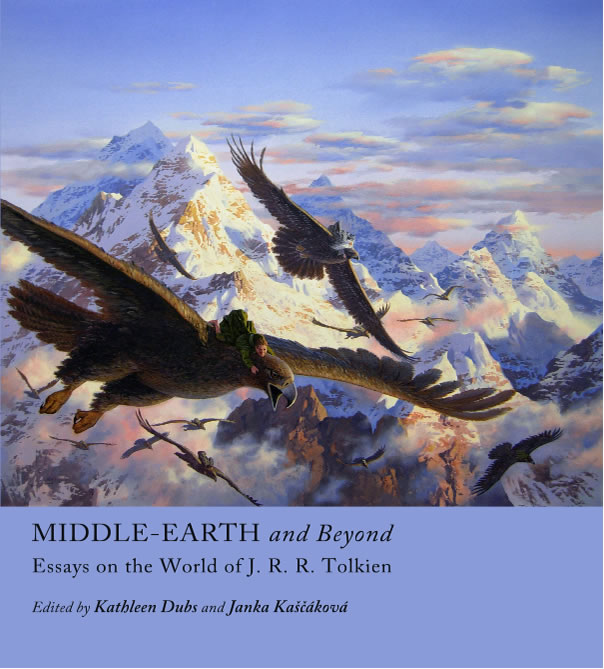
Why does Tolkien’s work continue to resonate so deeply with readers across generations? Middle-earth and Beyond sets out to explore this very question through a rich collection of essays that examine the many layers of Tolkien’s literary world. Bringing together fresh perspectives on themes, characters, language, and sources, this volume invites both scholars and dedicated readers to venture further into the complexity and enduring appeal of Middle-earth—and to discover new paths where familiar ones once seemed complete.

Each new Tolkien calendar offers a fresh perspective on Middle-earth, but the 2012 edition promises something quite distinctive. Featuring the unmistakable work of Dutch artist Cor Blok, this release continues a bold artistic direction that has both intrigued and divided fans. With its unique visual language and historical connection to Tolkien himself, the calendar stands as a fascinating addition to the long-running series—and one that is sure to spark conversation among collectors and admirers alike.

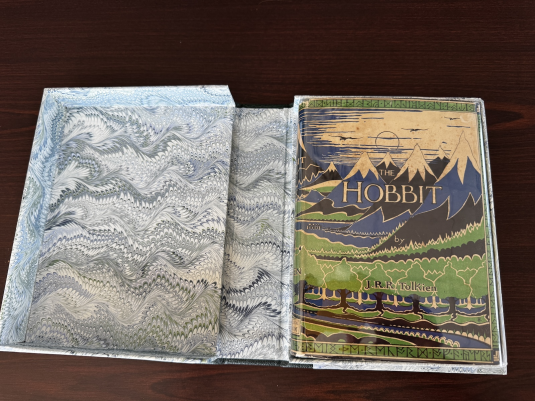
A first edition copy of J.R.R. Tolkien's The Hobbit was sold at Sotheby's auction house in London for 137,000 Sterling Pounds. This more than doubled the world record and makes this copy of The Hobbit the most expensive in the world.

Keeping up with everything happening in the world of Tolkien is no small task, especially when new releases, discoveries, and discussions seem to appear almost daily. This weekly overview brings together a selection of the most interesting and varied news items—from books and apps to fan creations and scholarly developments—offering a convenient snapshot of what has been shaping the Tolkien landscape over the past week.
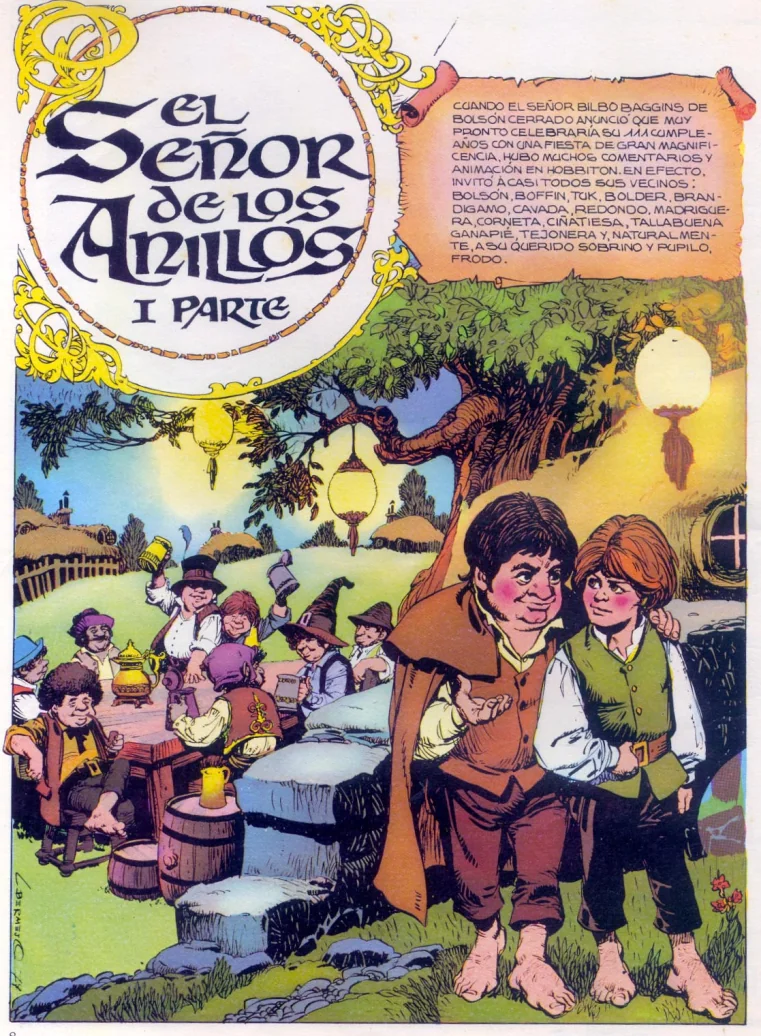
Long before modern graphic adaptations brought Tolkien’s world to new audiences, an intriguing and often overlooked series of comics offered a very different visual take on The Lord of the Rings. Illustrated by Spanish artist Luis Bermejo and inspired by the Ralph Bakshi film, these European comic albums remain a fascinating chapter in Tolkien publishing history. Rarely seen and never officially released in English, they continue to capture the imagination of collectors and fans curious to explore Middle-earth through an unexpected medium.

Bookbinding, at its finest, transforms a text into a true work of art—and few works invite such craftsmanship as The Silmarillion. From richly tooled leather covers to intricate, hand-crafted details inspired by Tolkien’s mythology, these unique bindings reveal how deeply artists and collectors engage with Middle-earth. This selection highlights some of the most striking interpretations, where storytelling and artistry meet in remarkable and often one-of-a-kind creations.
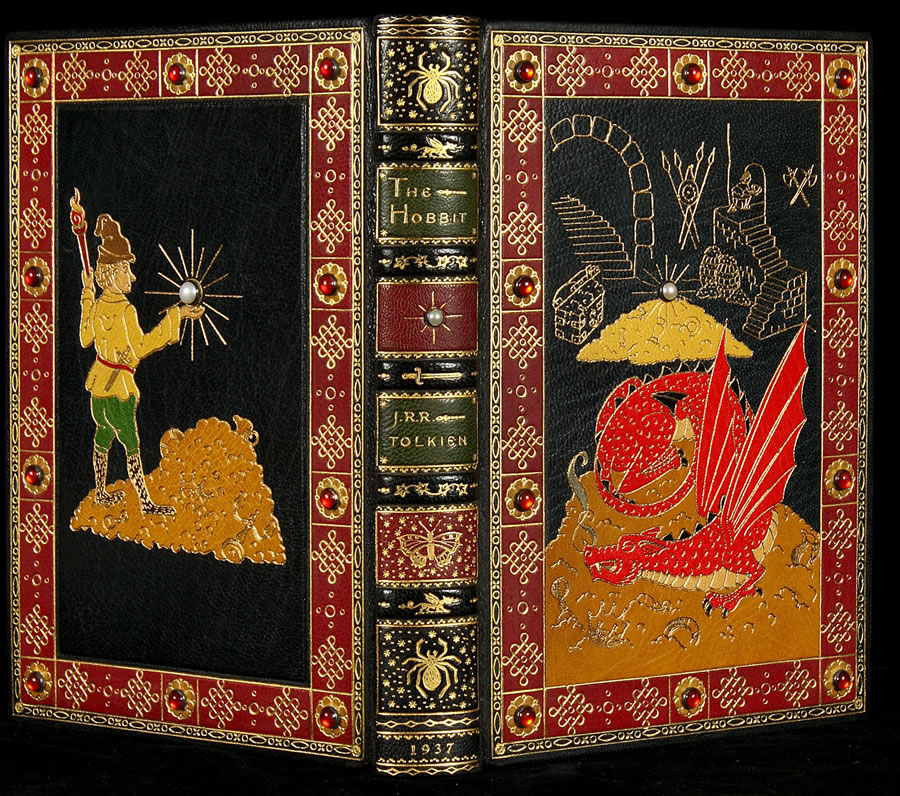
This article explores the remarkable art of fine bookbinding through a selection of exceptional editions of The Hobbit. From richly jeweled designs to elegant, understated craftsmanship, these bindings transform Tolkien’s classic into true works of art. Drawing on both traditional techniques and imaginative interpretations of Tolkien’s own illustrations, each example highlights the unique ways binders bring Middle-earth to life beyond the printed page.

The world of Tolkien collecting is not only about rare editions and signatures—it is also about the artistry that transforms these books into something truly extraordinary. In this second part, we continue our journey through some of the finest The Lord of the Rings bindings ever created, where master craftsmen and artists bring their own vision to Tolkien’s epic. From classic elegance to bold artistic interpretation, these bindings show how a great story can inspire works of beauty far beyond the printed page.
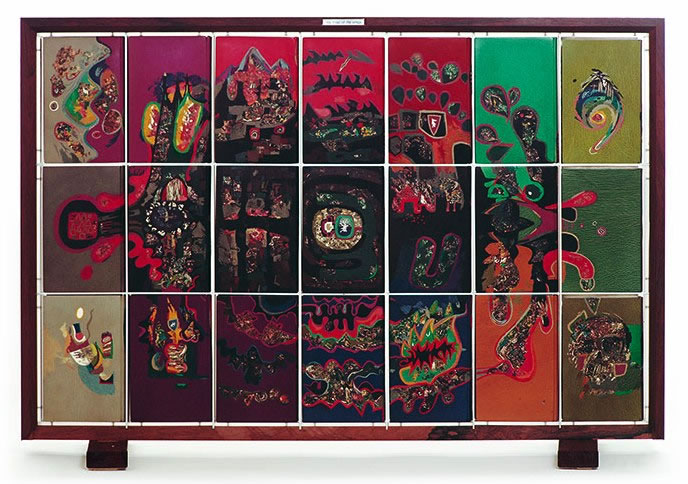
Bookbinding has the rare ability to transform a beloved story into a true work of art—where craftsmanship, imagination, and literature come together. Few works have inspired binders as profoundly as The Lord of the Rings, a text rich in imagery, symbolism, and atmosphere. In this article, we explore some of the most remarkable bindings ever created for Tolkien’s masterpiece, ranging from bold artistic interpretations to refined traditional craftsmanship—each offering a unique vision of Middle-earth beyond the printed page.

It has been another eventful week in the world of Tolkien, with remarkable auction results, intriguing discoveries, and a wide range of news for fans and collectors alike. From record-breaking sales to creative projects and scholarly developments, there is always something new unfolding around the Professor’s work. In this weekly roundup, we gather some of the highlights that may have slipped past, offering a varied glimpse into the ever-growing and ever-evolving world of Tolkien.

There are certain books that remain essential, no matter how many years pass—and Humphrey Carpenter’s J. R. R. Tolkien: A Biography is undoubtedly one of them. As the first authorised account of Tolkien’s life, written with direct access to his papers and those who knew him best, it has long been the cornerstone for anyone seeking to understand the man behind Middle-earth. The announcement of a new paperback reprint offers a welcome opportunity to revisit this classic work, and perhaps to introduce a new generation of readers to the story behind one of the twentieth century’s most beloved authors.

In 1981, The Letters of J. R. R. Tolkien opened an entirely new window into the mind of the Professor, offering readers a rare and personal glimpse behind the legend. Thirty years on, this remarkable collection remains one of the most essential companions to Tolkien’s work—revealing not only the origins of Middle-earth, but also the man himself. As we mark this anniversary, it is worth revisiting these letters, which continue to inform, surprise, and deepen our understanding of one of the most influential authors of the twentieth century.

In an age where stories are increasingly shared through screens, a quietly charming trend has begun to emerge: readers around the world returning to Tolkien’s works—not just to read them, but to perform them. From intimate home recordings to communal gatherings, enthusiasts are bringing The Hobbit and The Lord of the Rings to life through the simple, timeless act of reading aloud. This growing presence on YouTube reflects something deeper than nostalgia—it is a reminder that Tolkien’s words were always meant to be heard, shared, and experienced together.
From time to time, even seasoned Tolkien collectors stumble across editions that raise more questions than they answer. Titles that seem familiar at first glance can, on closer inspection, reveal oddities in attribution, presentation, or provenance—inviting a deeper look into what they truly are. This is especially true in the world of modern print-on-demand reprints, where classic texts are brought back into circulation in ways that are not always faithful to their origins.
In this article, we take a closer look at one such curious case: a modern reproduction of A Middle English Vocabulary, a work closely associated with J.R.R. Tolkien’s early academic career. What appears to be a straightforward reprint quickly becomes something far more puzzling, raising questions about authorship, presentation, and the broader landscape of public-domain publishing.

While major Tolkien releases often capture the spotlight, some of the most fascinating material continues to appear quietly through more specialised publications. Parma Eldalamberon, the journal dedicated to Tolkien’s linguistic legacy, remains one of the most important sources for previously unpublished writings on his invented languages. With the release of issue 19, focusing on Quenya phonology, scholars and enthusiasts alike are once again offered a rare opportunity to explore the depth and precision of Tolkien’s philological work—revealing the intricate structures behind one of Middle-earth’s most refined tongues.
.webp "Middle-earth: Visions of a Modern Myth by Donato Giancola")
Few artists have managed to capture the drama, humanity, and mythic weight of Tolkien’s world quite like Donato Giancola. In Middle-earth: Visions of a Modern Myth, Giancola brings a masterful, painterly approach to some of the most iconic moments from The Lord of the Rings and The Hobbit, drawing inspiration from the great traditions of Renaissance art. The result is not simply illustration, but interpretation—rich, atmospheric scenes that feel both timeless and deeply personal, offering a fresh and compelling vision of Middle-earth through the eyes of one of today’s most celebrated fantasy artists.