Articles & interviews

In a quiet gallery in Oslo, two weathered pine planks carry one of the North’s greatest legends. Their carved figures—dragon, hero, sword, smith—once framed the doorway of Hylestad Stave Church in Setesdal. Around the year 1200, a Norwegian carver told the tale of Sigurd Fáfnisbani in wood long before it was written in Icelandic vellum.
Centuries later, J.R.R. Tolkien drew from the same deep tradition. His lectures, his retellings, and the design of his books reveal how this medieval doorframe echoed through his imagination. The journey from Hylestad to Tolkien is one of craft, storytelling, and the northern imagination carried forward across eight hundred years.

How do two minds from opposite sides of belief — one a devout Catholic mythmaker, the other a Norwegian pessimist — arrive at the same understanding of consciousness as a wound?
In this long-form reflection, written from the northern coast of Norway, Pieter Collier explores the unexpected dialogue between J. R. R. Tolkien and Peter Wessel Zapffe.
Through the fading light of The Silmarillion, he traces how Tolkien’s Elves, Fëanor’s fire, and the “long defeat” echo Zapffe’s philosophy of tragic awareness — and how both writers, in their own ways, transform despair into endurance, and endurance into art.

After years of quiet work behind the scenes, Tolkien collector Pieter Collier shares the story behind his move to Norway — a journey of illness, silence, and renewal. From his new home in Trollbergvika overlooking the Skagerrak, he reflects on why he withdrew, why he returns, and what lies ahead for the Tolkien Library and the lifelong work that began more than three decades ago.

Over more than three decades, Tolkien collector and scholar Pieter Collier has traced the story of one author through thousands of books, letters, and works of art. In this reflection, he looks back on the path from his first Dutch hardback edition of In de Ban van de Ring to a lifetime devoted to preserving Tolkien’s world — from curating lost art and advising collectors to uncovering the human stories behind signatures and proofs.
For Pieter Collier, collecting has become a form of sub-creation itself: an act of care, continuity, and quiet creation.
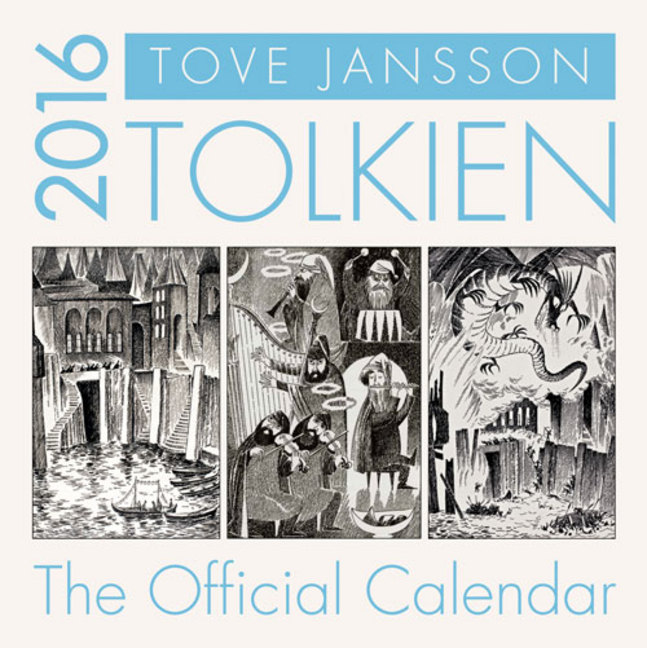
Tove Jansson illustrated The Hobbit for the Swedish and Finnish editions, creating a dozen enchanting full page drawings plus many smaller vignette pieces. The artwork is now going to be featured in the official Tolkien Calendar for 2016. How exciting is that?

What makes The Lord of the Rings so enduringly powerful? Beyond its scope and storytelling lies something more personal. In this reflective piece, Barry Stead explores the idea that Tolkien’s strength as a writer came precisely from being an “amateur”—free to follow his own imagination, and in doing so, creating a work that continues to resonate across generations.
Product in the Spotlight!
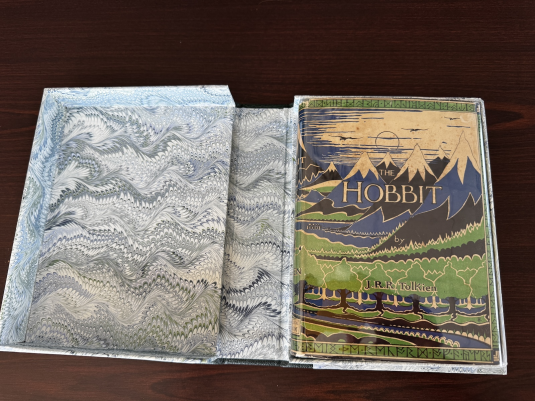
- New

Few authors have shaped modern reading habits quite like J.R.R. Tolkien. From the enduring appeal of The Hobbit to the global success of The Lord of the Rings, his works continue to inspire new generations—often rediscovered through film, but sustained by the strength of the books themselves.
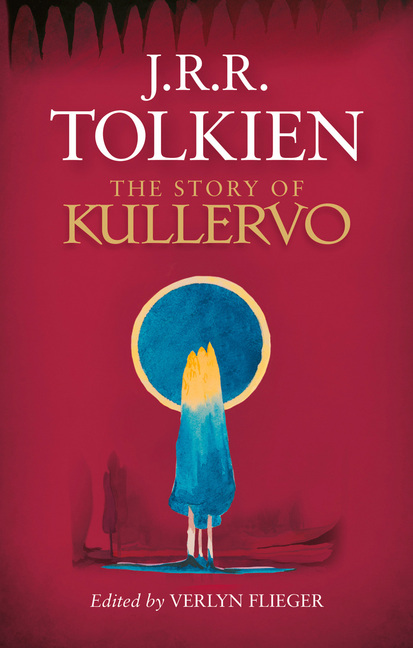
Long before Middle-earth took its final shape, Tolkien was already exploring the themes and myths that would define his legendarium. With the publication of The Story of Kullervo, readers are given a rare glimpse into this early creative phase—an unfinished yet powerful tale that reveals the origins of one of Tolkien’s darkest and most enduring inspirations.

Research has shown that students' reading book choices are highly dependent on trending movies or even series. This means that a little known book can become an overnight success due to a great movie adaptation.
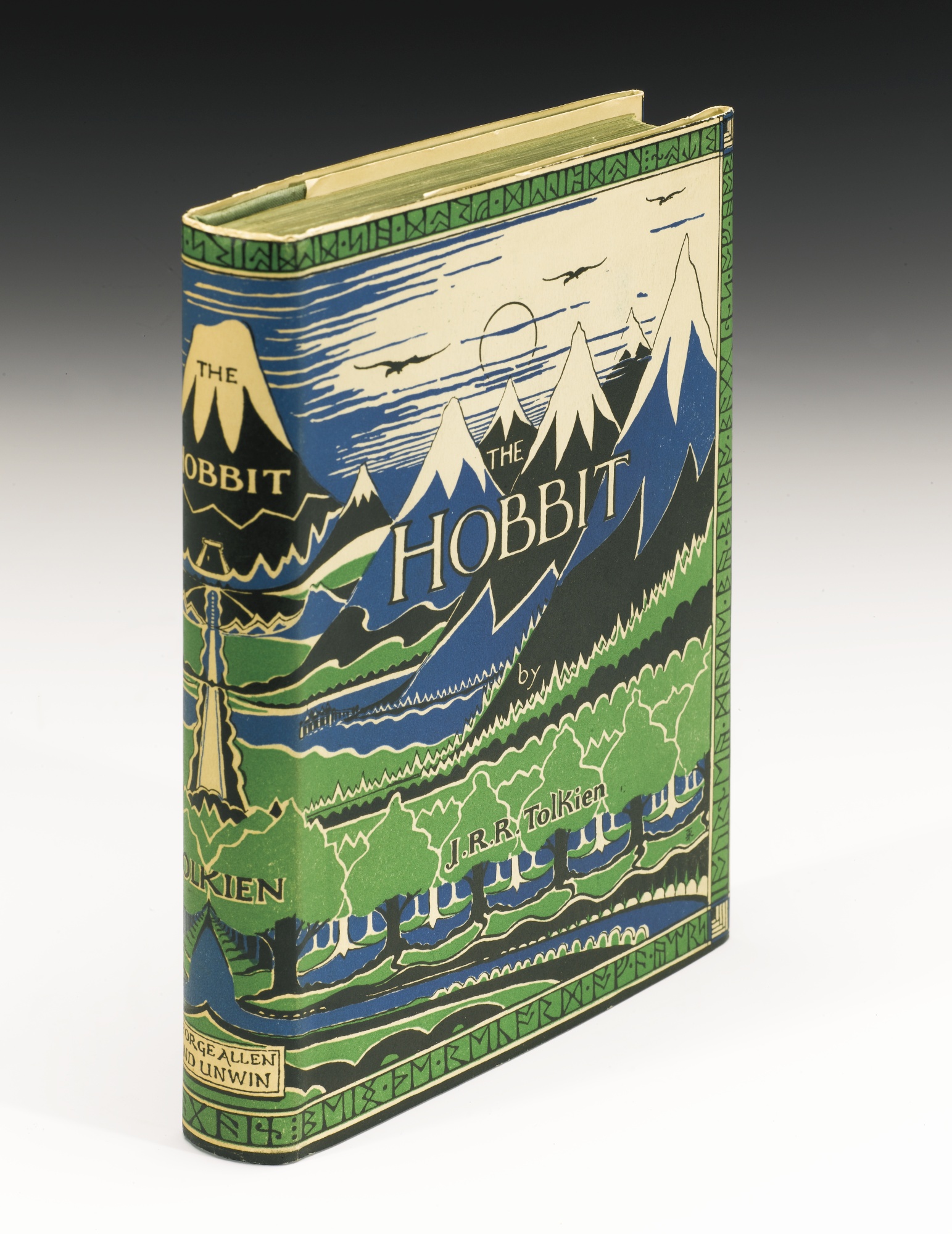
Exceptional Tolkien material continues to command remarkable prices, but every so often a sale resets the market entirely. This signed presentation copy of The Hobbit, with a unique personal history and rare inscription, has done exactly that—setting a new benchmark and confirming the enduring strength of the top end of the Tolkien collecting world.
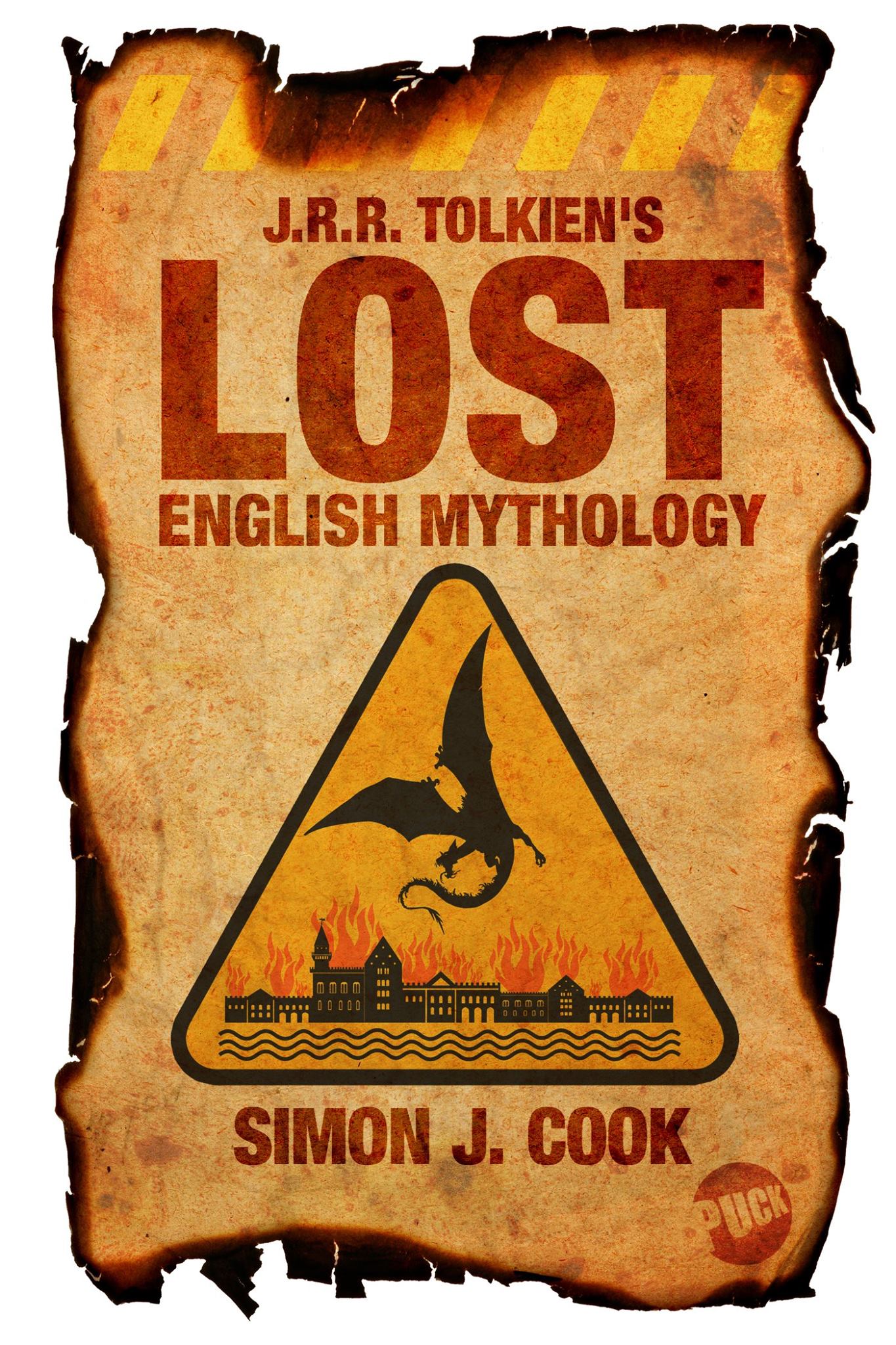
Tolkien’s Middle-earth was never meant as simple fantasy, but as a kind of lost history—echoing ancient traditions and forgotten origins. In this insightful piece, Simon J. Cook explores how Tolkien drew on early ideas of English identity and mythology to shape a world that feels both imagined and deeply rooted in the past.
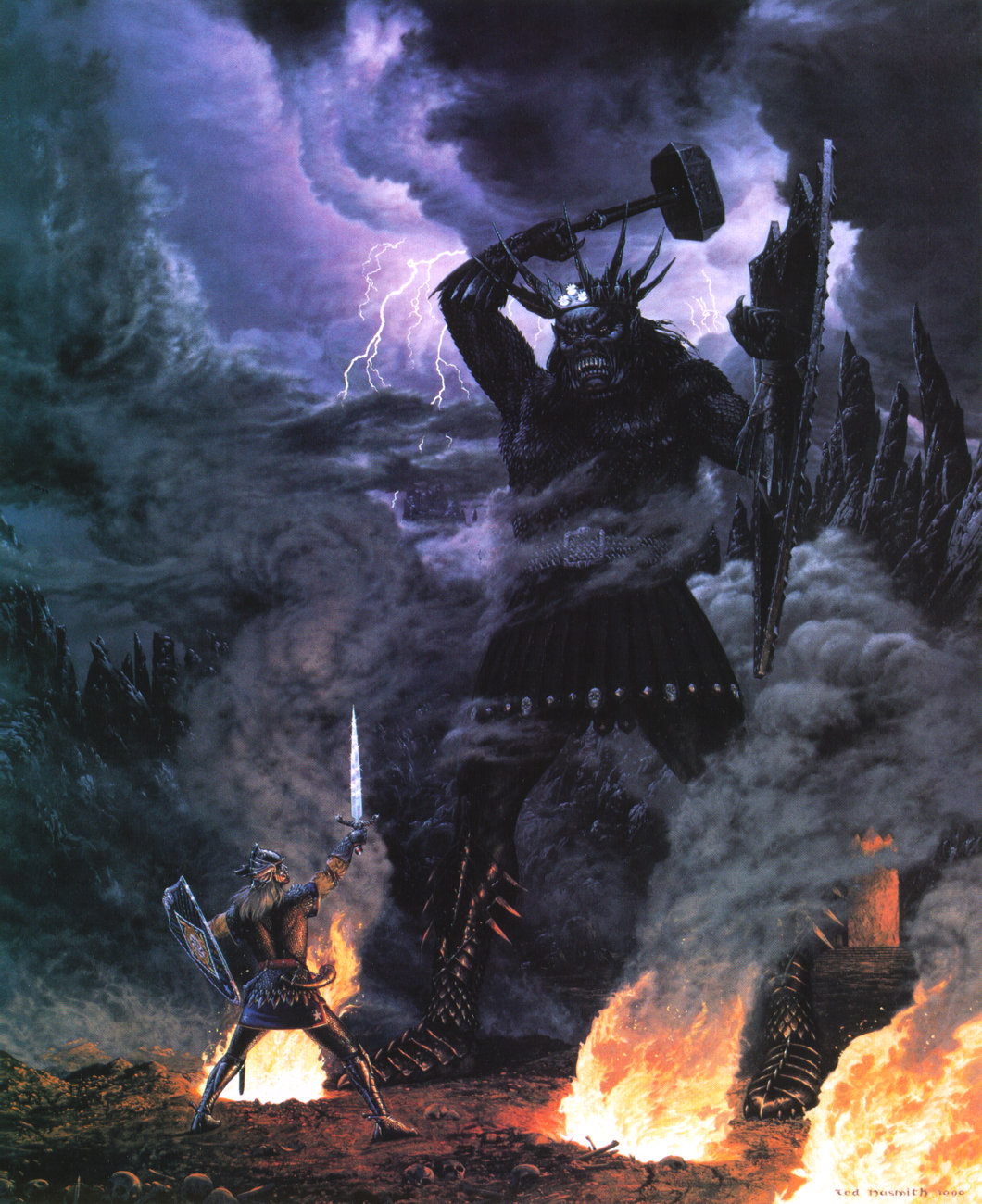
Ever since Peter Jackson brought Middle-earth to life on the big screen, one question has continued to surface among fans: could The Silmarillion ever follow? Rich, complex, and deeply tied to Tolkien’s legacy, it remains the most desired—and most elusive—adaptation. But how realistic is that hope?
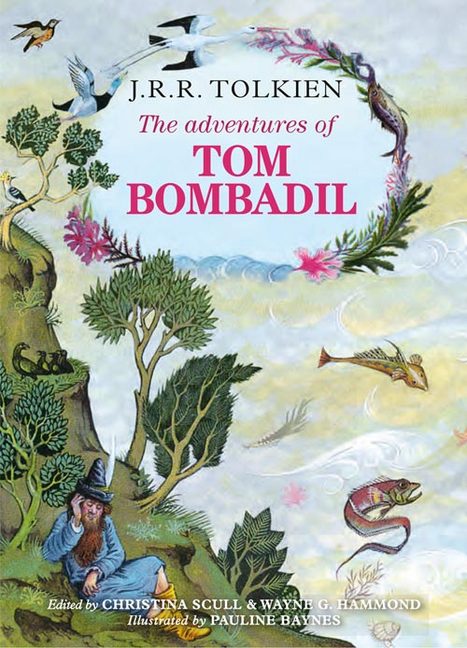
Tom Bombadil has always remained one of the most mysterious and delightful figures in Tolkien’s world. With this revised and expanded edition, readers are given a rare opportunity to explore his poems, stories, and origins in greater depth—now enriched with additional material, commentary, and beautiful illustrations.
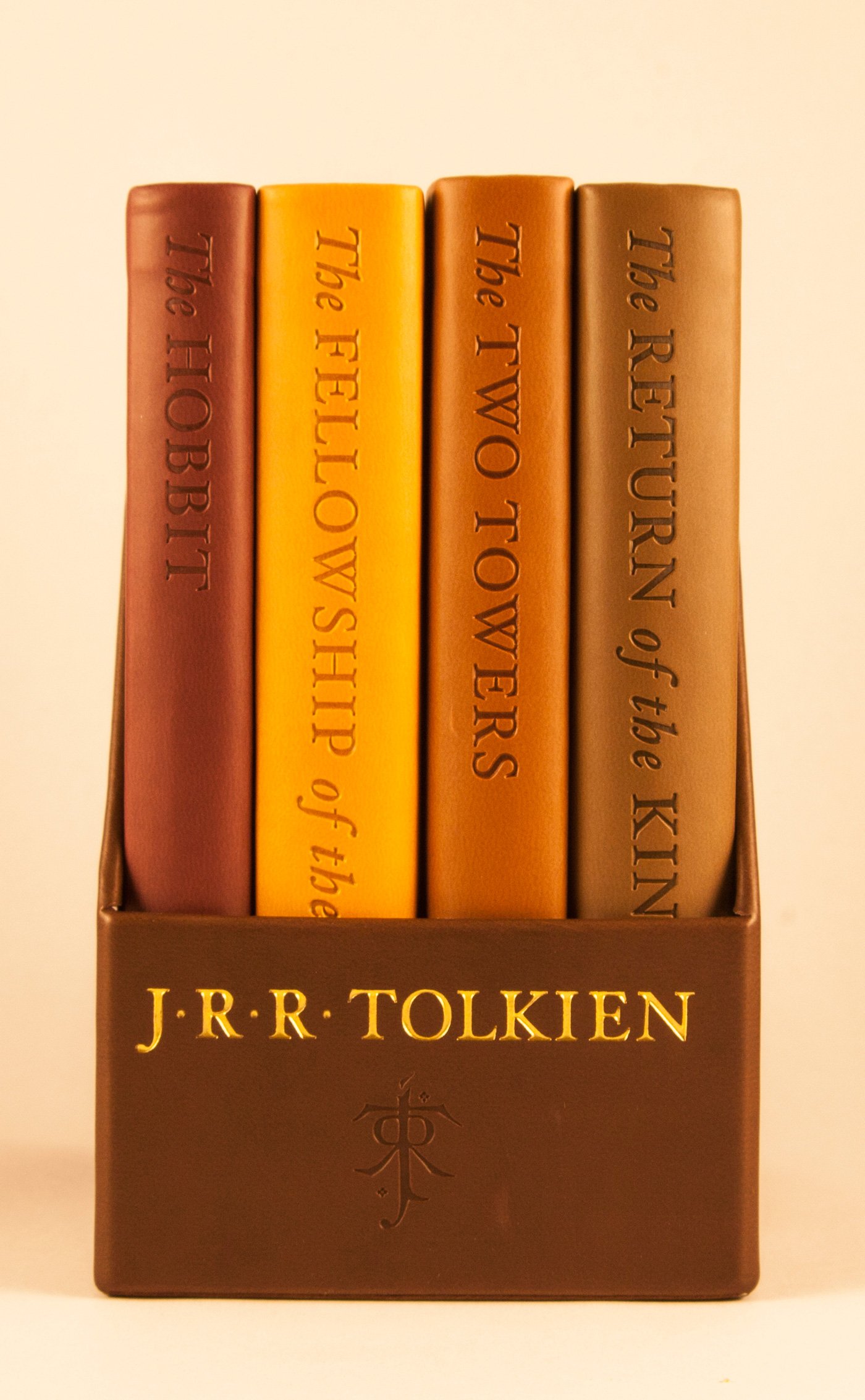
Tolkien’s greatest stories were never meant to stay on the shelf—they were meant to be carried, read, and revisited. With this deluxe pocket boxed set, The Hobbit and The Lord of the Rings are brought together in a compact and elegant format, combining portability with a touch of collector’s appeal.
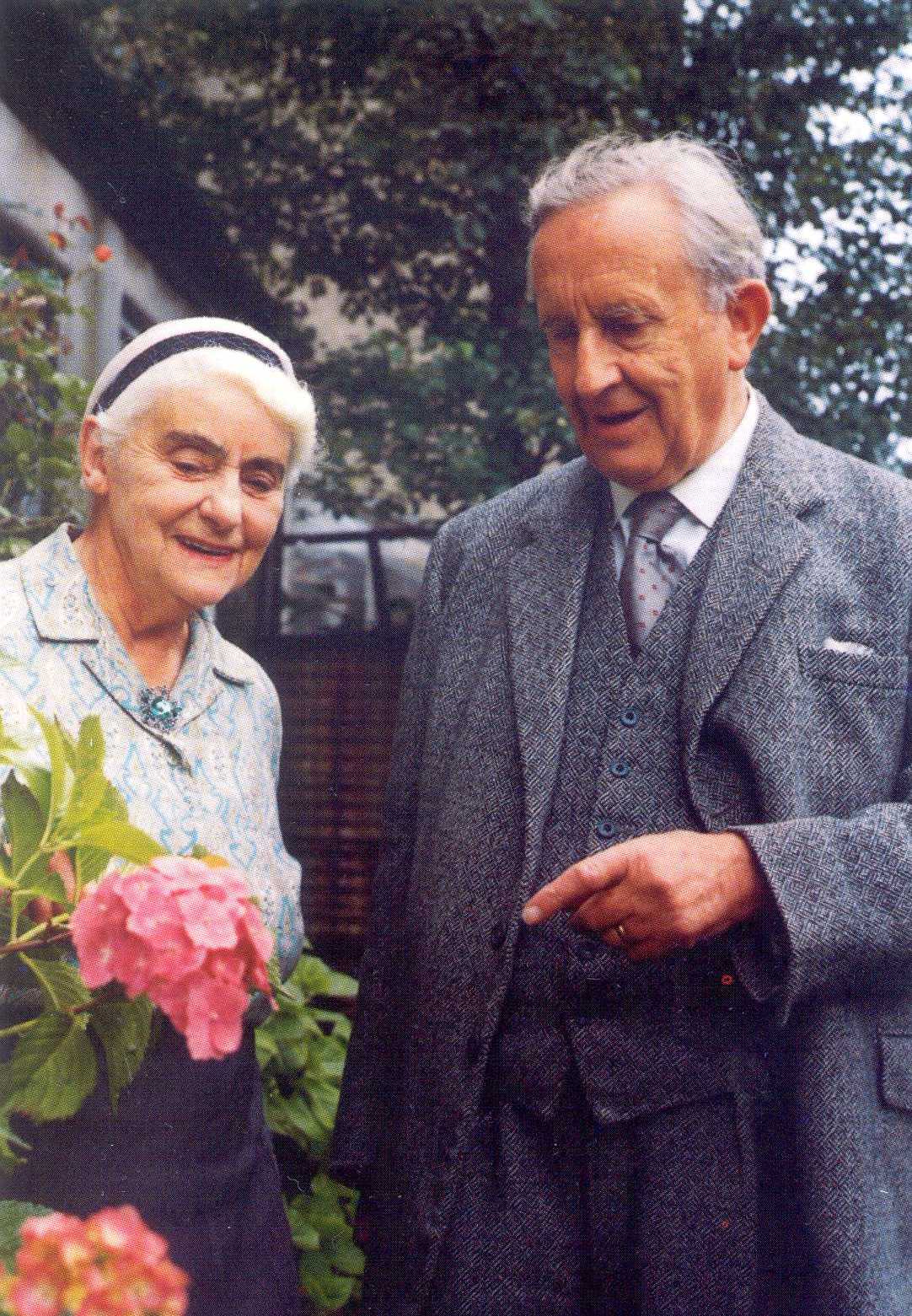
Among the many treasures in The Letters of J.R.R. Tolkien, some offer far more than casual correspondence—they open a window into the inner workings of Middle-earth itself. Letter 214 is one such example, revealing in remarkable detail the customs, language, and social structure of hobbit life, and giving readers a deeper understanding of the world Tolkien so carefully constructed.

With the release of The Hobbit films, characters once confined to a few pages of text have taken on new life—and new interpretations—on screen. Among them, Thranduil stands out as one of the most intriguing. This article looks beyond the cinematic portrayal to explore the deeper history, character, and legacy of the Elvenking of Mirkwood.

Tolkien’s imagination was not only shaped by language and myth, but also by the way he saw the world as an artist. In this thoughtful exploration, the concept of darkness takes on a deeper meaning—no longer just the absence of light, but a tangible force that influences both his artwork and the shadowed landscapes of Middle-earth.

With the growing popularity of Tolkien scholarship, books like The Tolkienaeum have found a wide and eager audience. Unfortunately, that success has also attracted unauthorized digital copies. This article serves as both a warning and a reminder—highlighting the risks of pirated PDFs and the importance of supporting authors through legitimate editions.
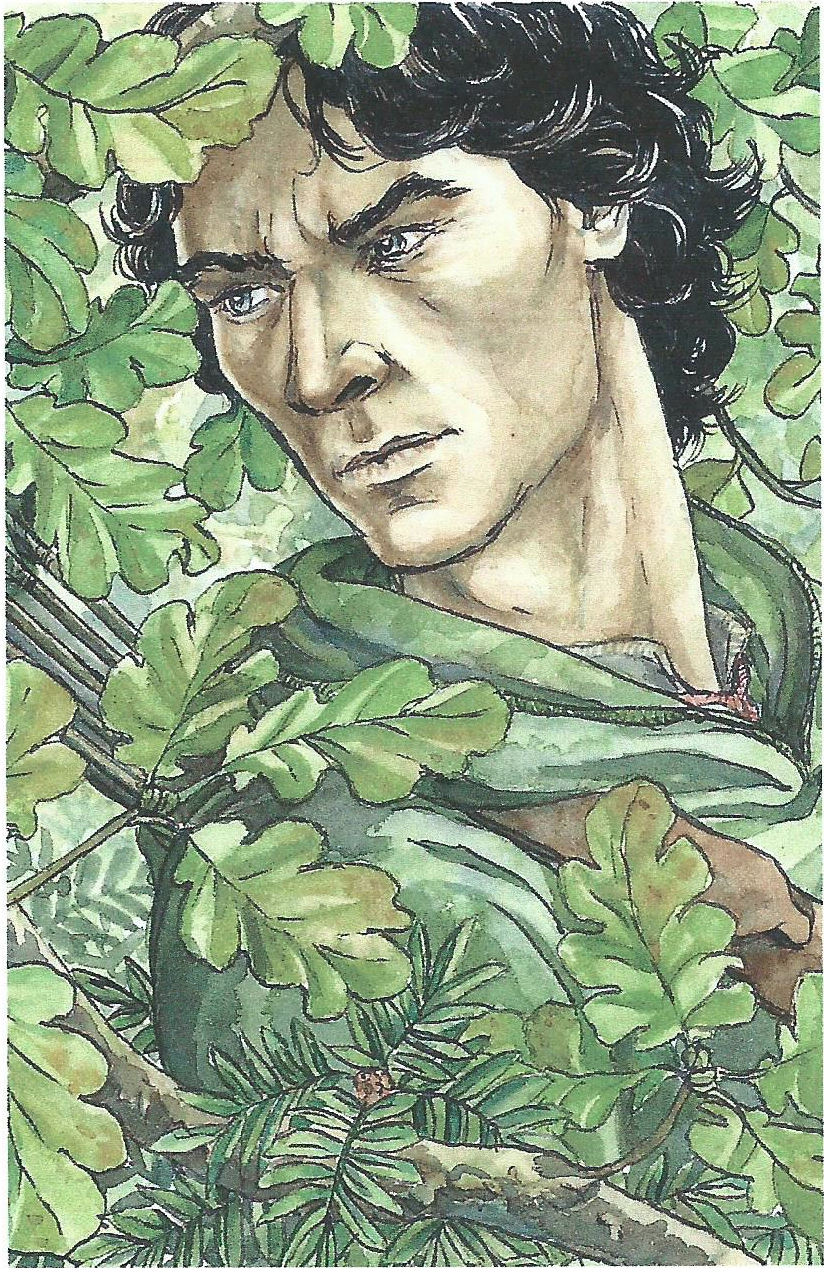
For decades, Beyond Bree has been a quiet cornerstone of the Tolkien community—connecting readers, scholars, and enthusiasts around the world. With the release of its 2015 calendar, the newsletter celebrates both its legacy and the enduring appeal of Middle-earth, brought to life through a diverse range of artists and themes.

The story behind The Lord of the Rings is almost as remarkable as the book itself. In this insightful review, John Lennard explores how Tolkien’s masterpiece rose from an unlikely sequel into a cultural phenomenon—while challenging the way we read, interpret, and value his work today.
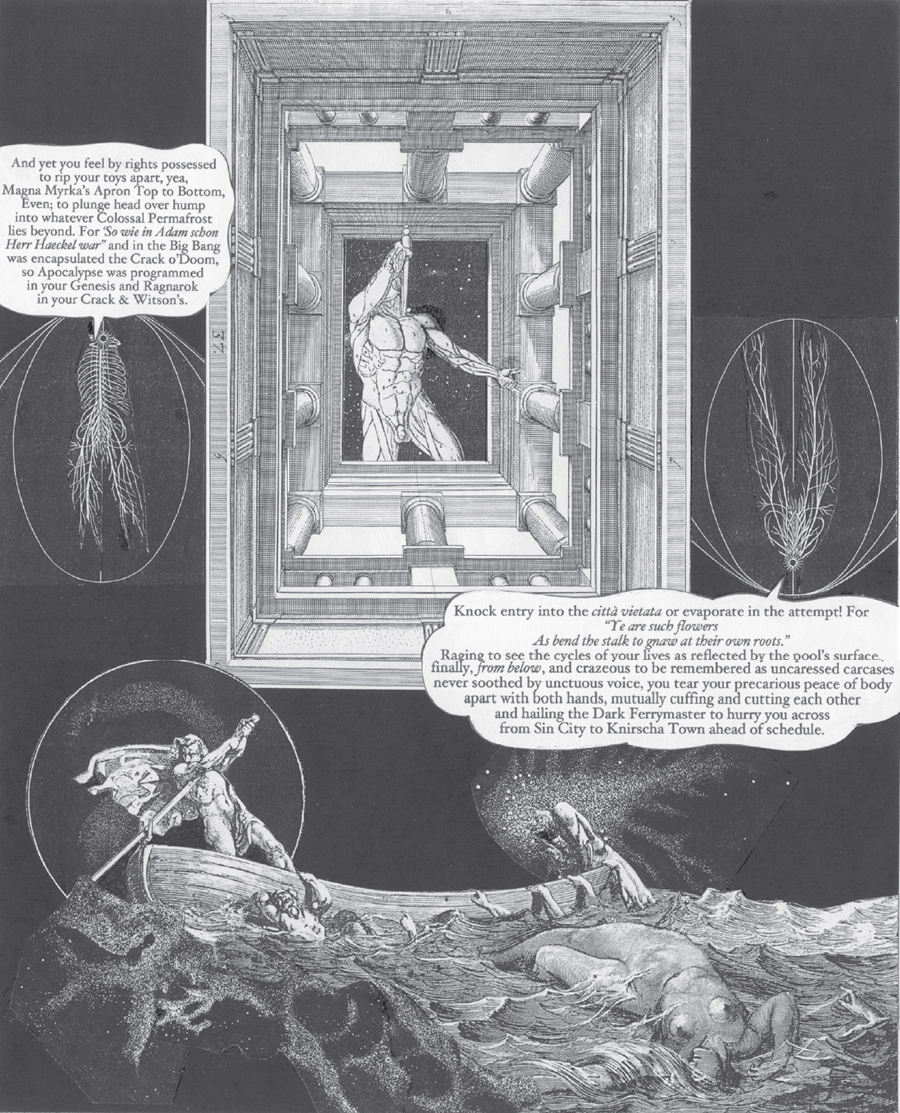
Best known for his distinctive Tolkien paintings, Cor Blok has long explored visual storytelling in his own unique way. With The Iron Parachute, he steps beyond Middle-earth to present a striking and experimental graphic novel—one that challenges narrative form and invites the reader into a surreal, dreamlike journey.
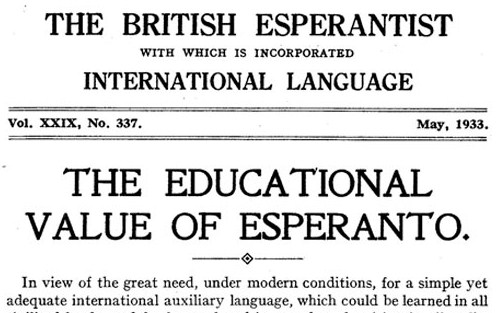
Tolkien’s fascination with language extended far beyond his own invented tongues. In this intriguing study, newly uncovered material sheds light on his connection with Esperanto—revealing a lesser-known chapter in his early linguistic interests and his engagement with one of the most ambitious language movements of the twentieth century.

For many readers, the journey into Tolkien’s world did not begin with the books, but with the films—and yet it often leads back to the source. In this personal reflection, Francisco Brannan shares how that path transformed a casual viewer into a devoted reader, and why Tolkien’s work continues to stand above all others.
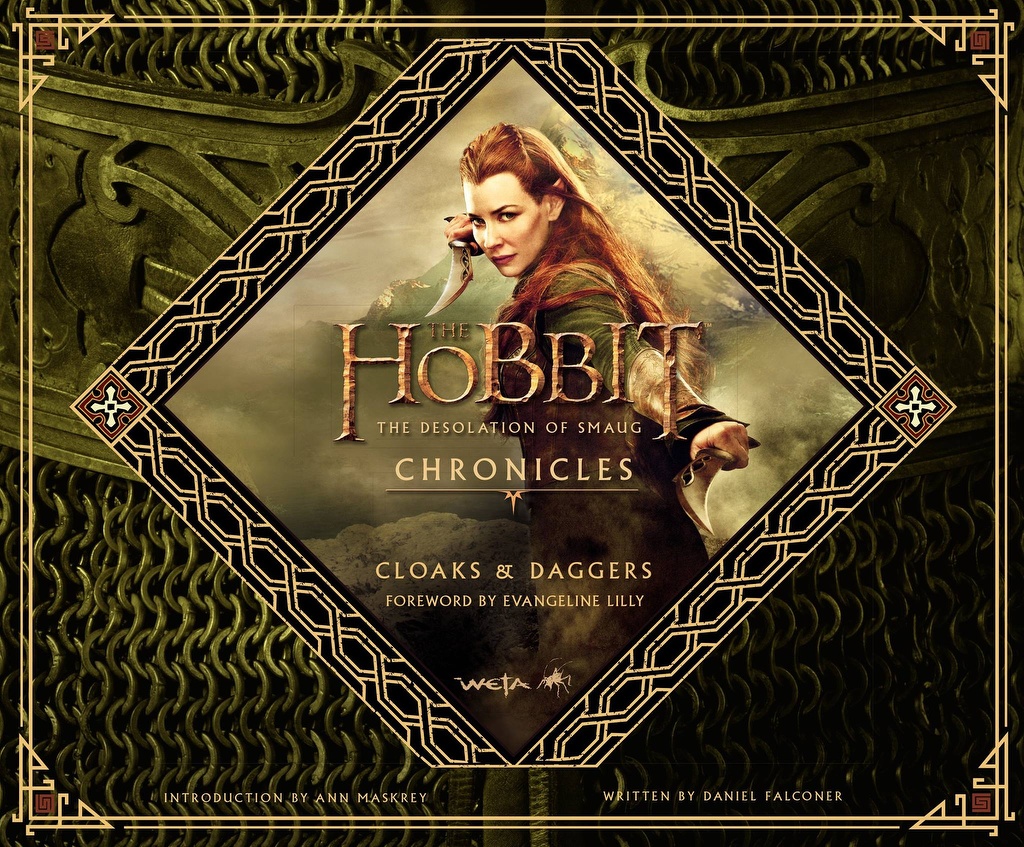
Few film companion books offer as much depth and visual richness as the Weta Chronicles series. With The Desolation of Smaug: Cloaks and Daggers, readers are taken behind the scenes of Peter Jackson’s Hobbit films, exploring the craftsmanship, design, and storytelling that brought Middle-earth to life on screen.

The friendship between J.R.R. Tolkien and C.S. Lewis has long fascinated readers, scholars, and fans alike. While film projects often take the spotlight, a new stage production offers a more intimate perspective—bringing their complex relationship to life through the immediacy and power of live theatre.
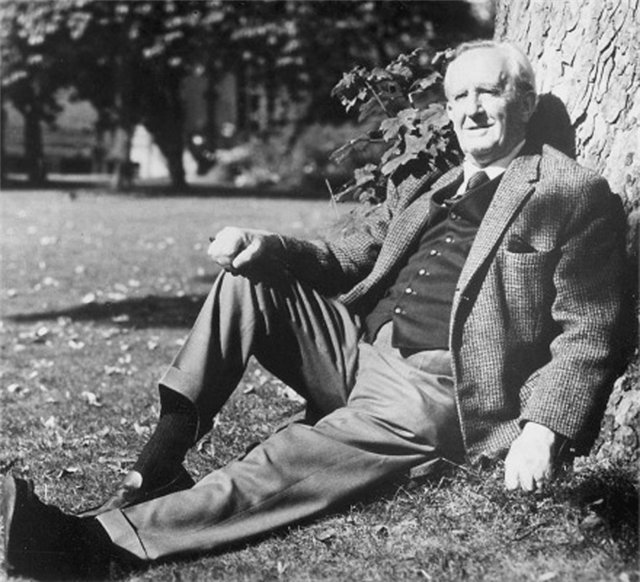
With the final chapter of Peter Jackson’s Hobbit trilogy approaching, attention is once again turning to the man behind Middle-earth. Two separate biopic projects are now in development, each offering a different perspective on J.R.R. Tolkien’s life—one focused on his friendship with C.S. Lewis, the other on his broader personal and creative journey.

Few scholars have shaped modern Tolkien studies as profoundly as Tom Shippey. This collection brings together a range of essays in his honor, reflecting both the depth of his influence and the continuing vitality of Tolkien scholarship in the twenty-first century.
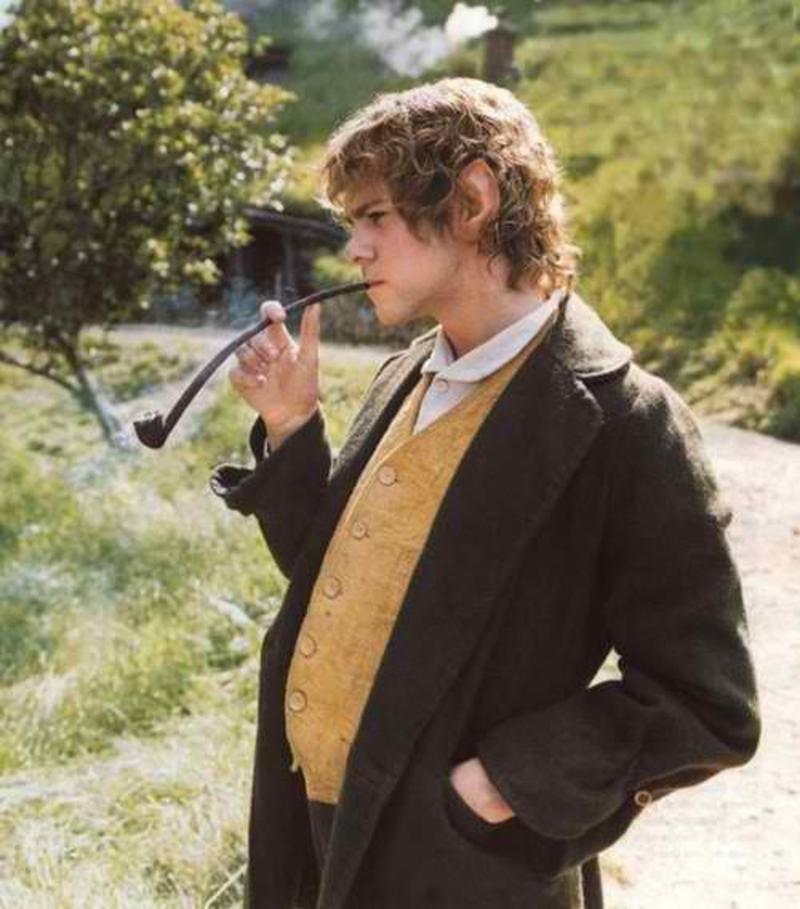
In Peter Jackson's Hollywood rendering of both The Lord of the Rings and The Hobbit, drug references are laid on thick and fast. In the following essay Imogen Reed searches an answer whether drug addiction is a theme in the books as well.
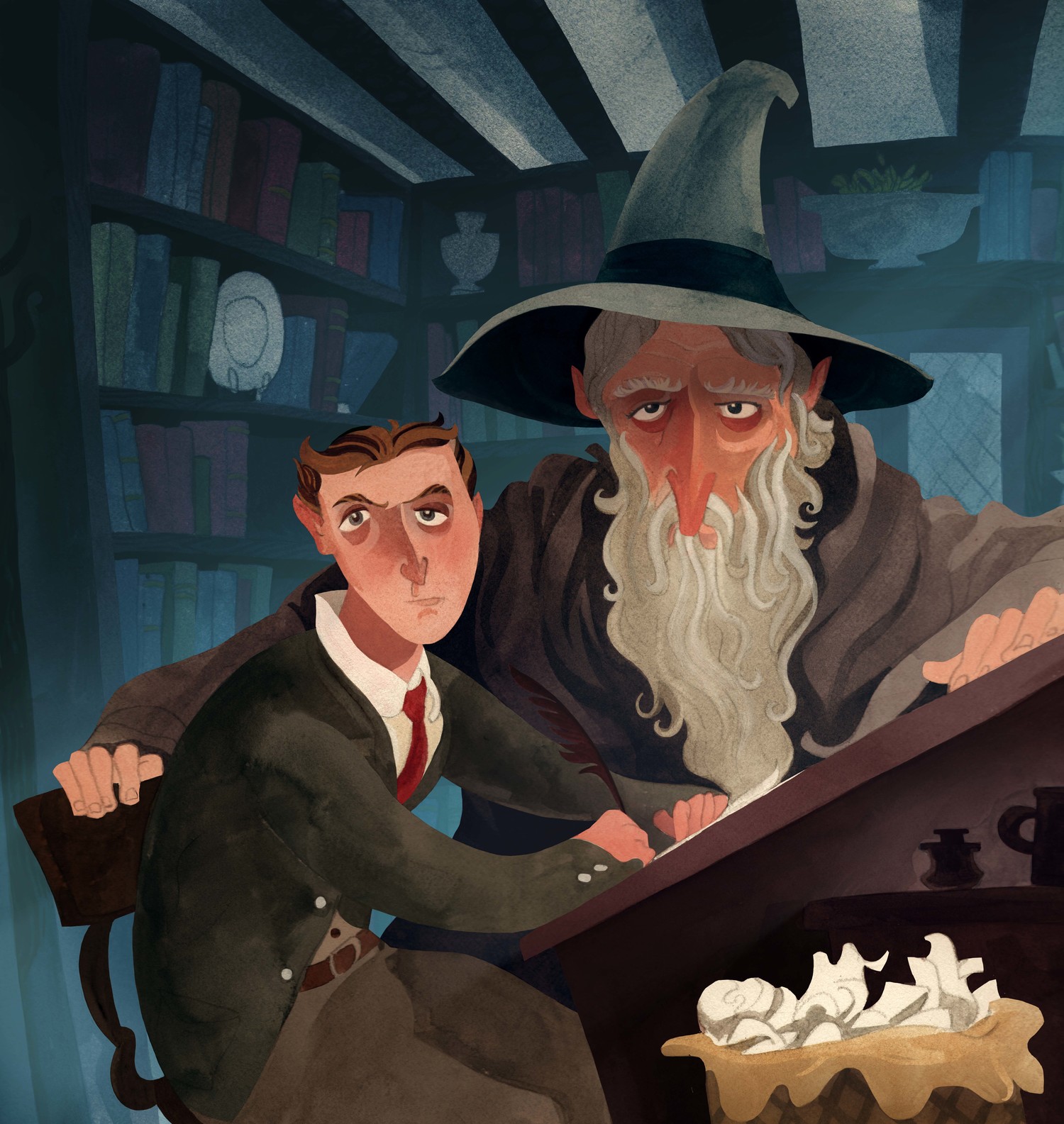
Tolkien always emphasized the fact that myths followed languages. In the following article Lesley Vos brings us a several examples of words created by Tolkien and an account of tolkien's views concerning the relationship between a language and a myth.

Mark T. Hooker has long been known for approaching Tolkien from a uniquely linguistic perspective. With The Tolkienæum, he brings together a wide-ranging collection of essays that explore the origins, meanings, and hidden stories behind the names and languages that lie at the heart of Middle-earth.

Tolkien is often approached as a storyteller or philologist, yet beneath his narratives lies a rich layer of philosophical thought. This collection brings those deeper questions to the surface, exploring how themes such as good and evil, death, time, and belief shape both his legendarium and his view of the world.
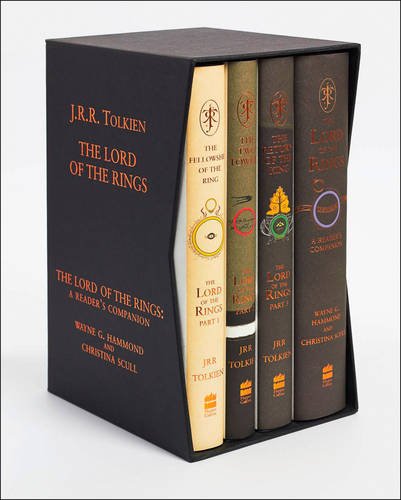
Some editions of The Lord of the Rings stand out not just for their content, but for how beautifully they present Tolkien’s work. This newly reprinted four-volume boxed set from HarperCollins brings together a carefully restored text, classic design elements, and a companion volume—making it one of the most appealing modern editions for both readers and collectors.

“Frodo lives” is more than a slogan—it is a sign of how deeply Tolkien’s world has taken root in our own. In this final part of his Tauriel trilogy, Simon J. Cook explores the ongoing dialogue between Middle-earth and modern reality, and what it reveals about how we read, reinterpret, and keep Tolkien alive today.
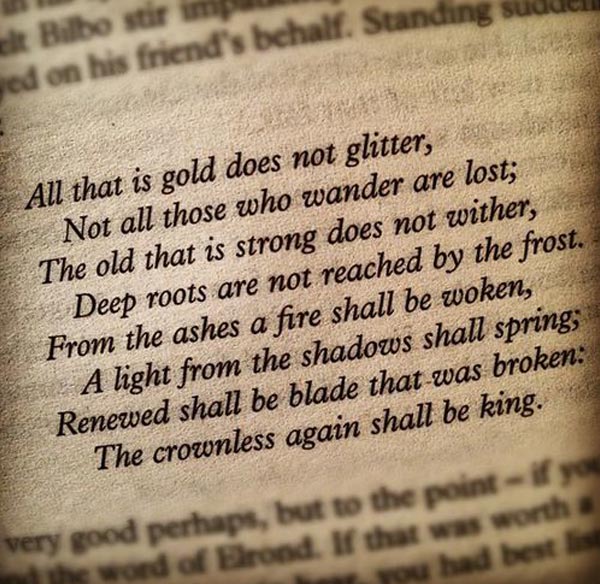
For many readers and aspiring writers, Tolkien is more than a beloved author—he is a source of inspiration. His unique blend of language, myth, and storytelling has shaped generations, offering a model of how imagination and scholarship can come together to create something truly timeless.
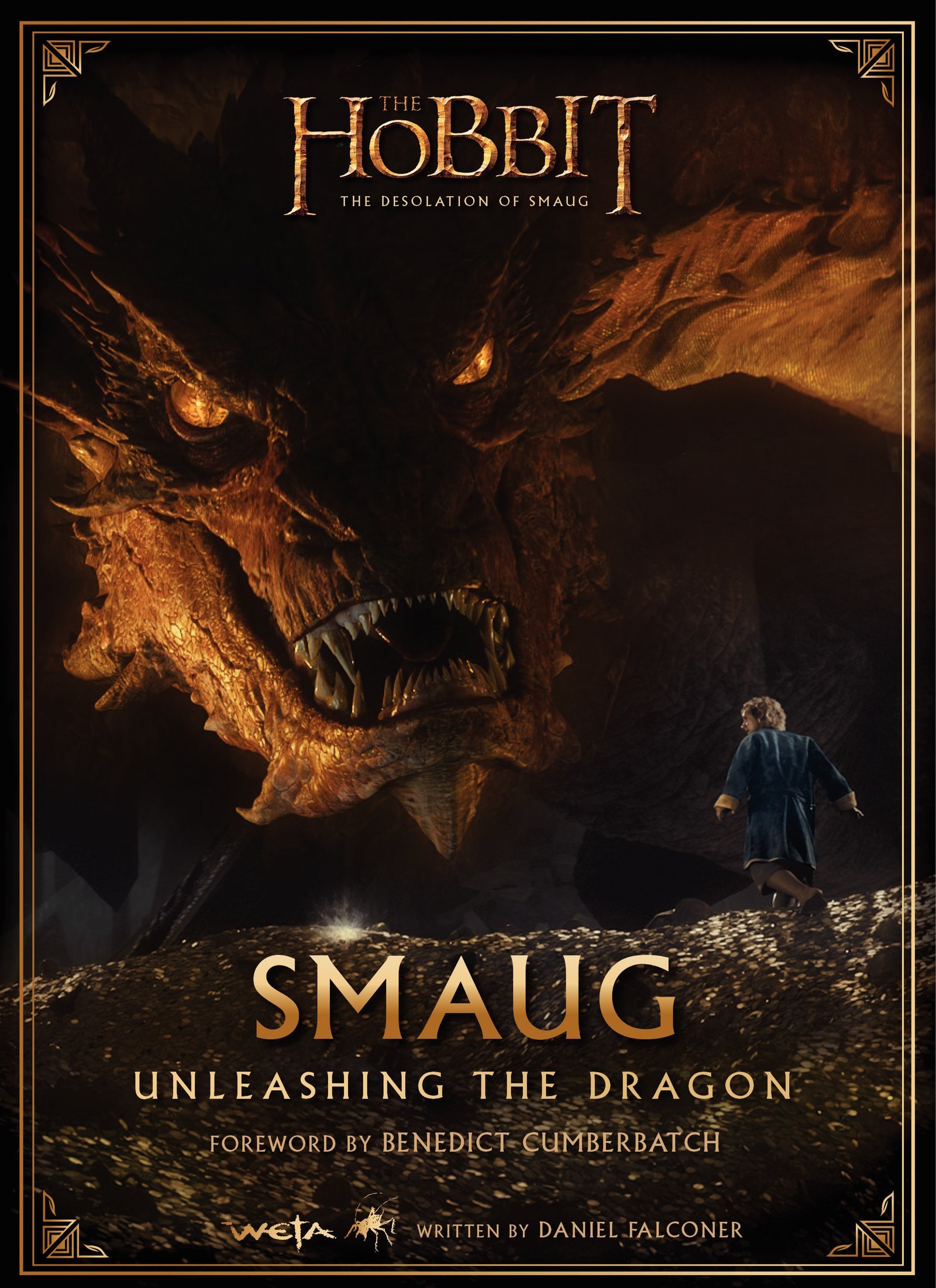
Few creatures in Tolkien’s legendarium have captured the imagination quite like Smaug. From the pages of The Hobbit to his breathtaking appearance on the big screen, the great dragon has become one of the most iconic figures in modern fantasy.
This richly illustrated volume takes readers behind the scenes of Peter Jackson’s film adaptation, revealing how Smaug was brought to life through years of concept art, design, and digital craftsmanship—transforming a literary creation into a truly unforgettable cinematic presence.

Discussions about Tolkien rarely remain neutral for long. As new interpretations, adaptations, and creative expansions of Middle-earth continue to appear, so too do debates about what remains faithful to Tolkien’s vision—and what crosses the line. In this thoughtful essay, Simon J. Cook revisits the idea of “Tolkien fundamentalism,” exploring where careful scholarship ends and rigid literalism begins, and what that tension reveals about how we read, interpret, and ultimately keep Tolkien’s work alive.
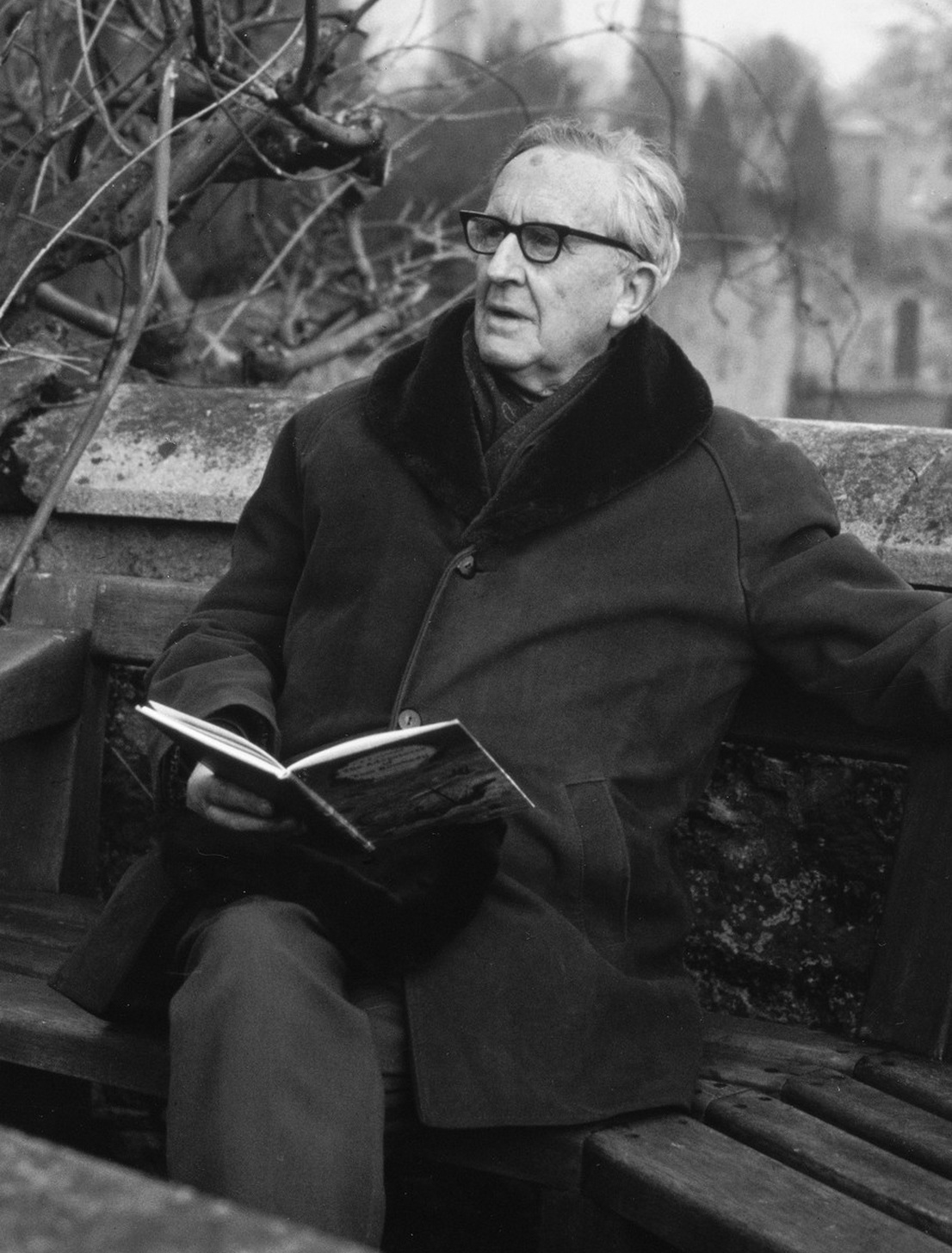
J. R. R. tolkien's letters and diaries hide many interesting details about our beloved writer. When noticed and revealed, they help us understand his personality and character much better, and make the final conclusion about what kind of a person this genius writer and charismatic man was.
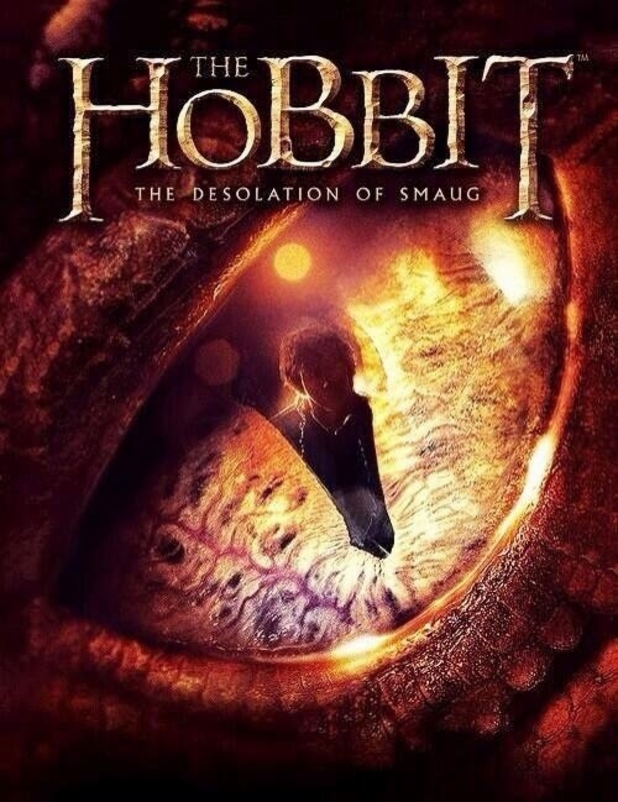
Friends, elves and hobbits, lend him your ears. For with The Desolation of Smaug soon out on DVD, Simon J. Cook comes to praise Peter Jackson’s interpretation of The Hobbit, not to bury it.
At a time when the films continue to divide opinion among fans and purists alike, this essay offers a thoughtful and spirited defence—one that looks beyond questions of strict fidelity to consider the broader artistic vision behind the adaptation, and the place of interpretation within Tolkien’s wider legacy.

Sixty years after its first publication, The Lord of the Rings continues to captivate readers around the world—and milestone anniversaries rarely pass unnoticed. This newly announced edition celebrates that legacy with a beautifully produced volume, combining the definitive text with Alan Lee’s iconic artwork in a presentation designed to appeal to both readers and collectors alike.
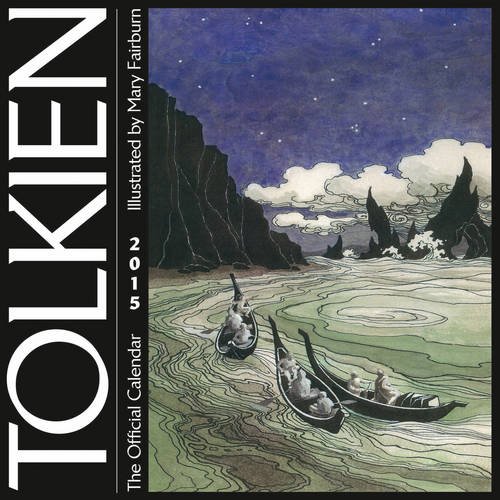
Each year, the official Tolkien calendar offers a fresh visual journey through Middle-earth, often introducing artists whose work deserves wider recognition. The 2015 edition is no exception, bringing the long-overlooked illustrations of Mary Fairburn into the spotlight—artwork once seen and admired by Tolkien himself, and now finally shared with a broader audience.

J.R.R. Tolkien wrote many books, including the Middle-earth stories. The Lord of the Rings, like many stories of an epic journey, brings us lessons we can apply to our life. No matter how surreal his epic stories are, the pieces of wisdom reflected in them mirror that of the wisdom we must gain to champion our life here on earth.
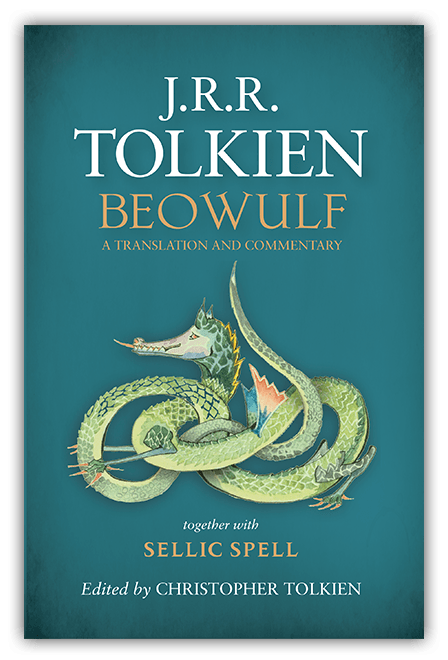
With the publication of Beowulf: A Translation and Commentary, readers are given a rare opportunity to encounter Tolkien not only as a storyteller, but as a scholar deeply immersed in one of the great works of Old English literature. Long known but never before published in full, this translation—accompanied by his extensive lectures and commentary—reveals the depth of his engagement with the poem that helped shape his imagination.

Tolkien’s world is often admired for its stories, but its depth lies just as much in its structure—its skies, its landscapes, and the careful logic behind them. This second volume of Le façonnement d’un monde turns its focus to astronomy and geography, bringing together a remarkable collection of essays that explore how Middle-earth is shaped, mapped, and understood.
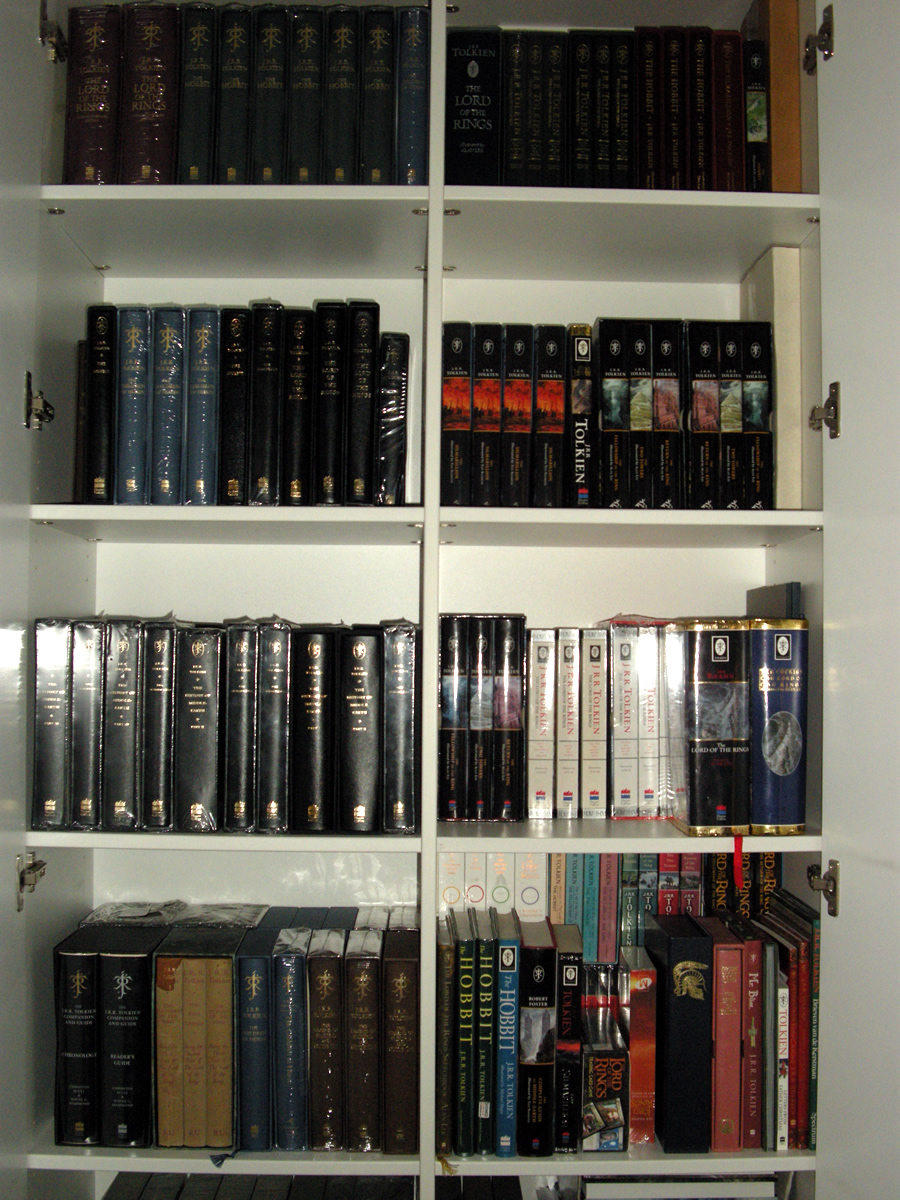
Spring often brings a fresh wave of discoveries, and the Tolkien Library book shop is no exception. With new items being catalogued, photographed, and gradually released, this latest update offers a glimpse into a wide range of Tolkien material— from overlooked editions to signed copies and collectible boxed sets, each waiting to find a new home.

Few aspects of Tolkien’s work invite as much fascination as the maps of Middle-earth—those carefully drawn guides that seem at once imagined and strangely familiar. But what if these landscapes were not entirely invented? What if they were, in part, reflections of real-world geography, subtly transformed through Tolkien’s creative lens? In this article, we explore a remarkable study that suggests just that, uncovering intriguing connections between the Wilderland, the Shire, and the landscapes of Wales and England.